Tor des Géants: 330 km, 24,000 m, and Nobody to Tell You When to Sleep
The Tor des Géants is 330 kilometers around the Aosta Valley, 24,000 meters of climbing, and 150 hours at most. And nobody to tell you when to sleep: it is up to you to choose what you sacrifice.
By the PacePoster desk · · 3 min · 14 sources
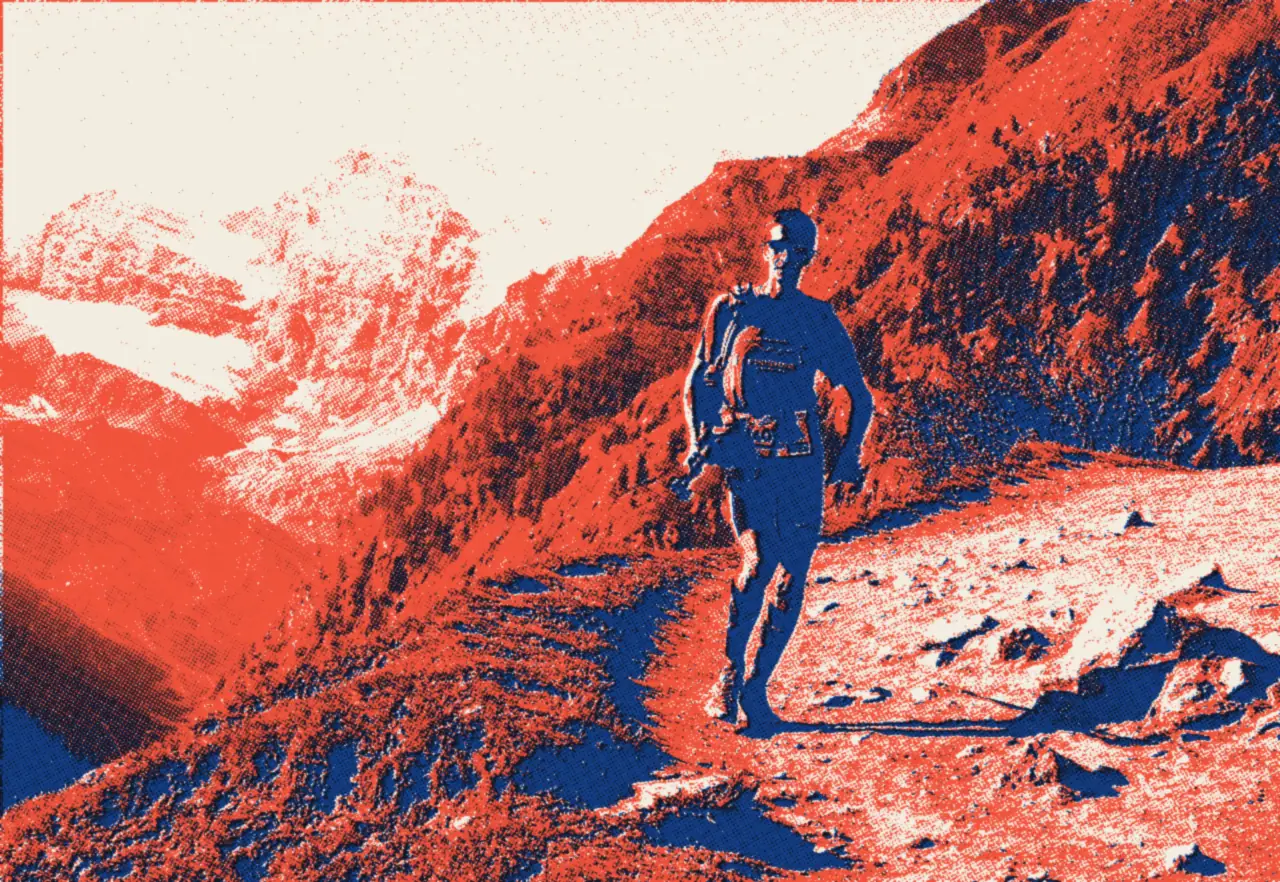
01A loop that starts in 2009
The idea is born inside the Courmayeur Trailers association: link the valley’s two great routes, the Alta Via 1 and the Alta Via 2, into a single loop. The first route is 350 km, and the region doubts it can be done. “We were sure it could be done, but we had to convince the politicians,” says Ermanno Pollet, one of the route’s designers, to the site Run the Alps. So the organizers propose a trial run.
On September 13, 2009, the account goes on, four runners set off from the Via Roma in Courmayeur, with 150 hours ahead of them. All four finish. It is not yet a race, but it is proof.
022010: 179 at the finish
The first real edition takes place in September 2010: 330 km, more than 24,000 m of elevation gain. 179 runners complete the loop in Courmayeur, out of about 300 starters according to Run the Alps. The Tor des Géants is born.
We were sure it could be done, but we had to convince the politicians
03Tor des Géants: sleep or move on
This is the real subject of the race. The course is dotted with aid stations and six big “life bases,” but no stop is imposed: everyone chooses when, where and for how long to rest. With a 150-hour cutoff, it is a permanent calculation.
In 2026, the start is given on Sunday, September 13, at 10 a.m., in Courmayeur. Jiaju Zhao is back there in the dead of night from Tuesday to Wednesday, winning in 65:55:22: 13 minutes faster than the previous record, set by Victor Richard in 2025. He runs the first night without sleeping, according to Reference Trail, and allows himself a short sleep only at Gressoney, after more than 200 km.
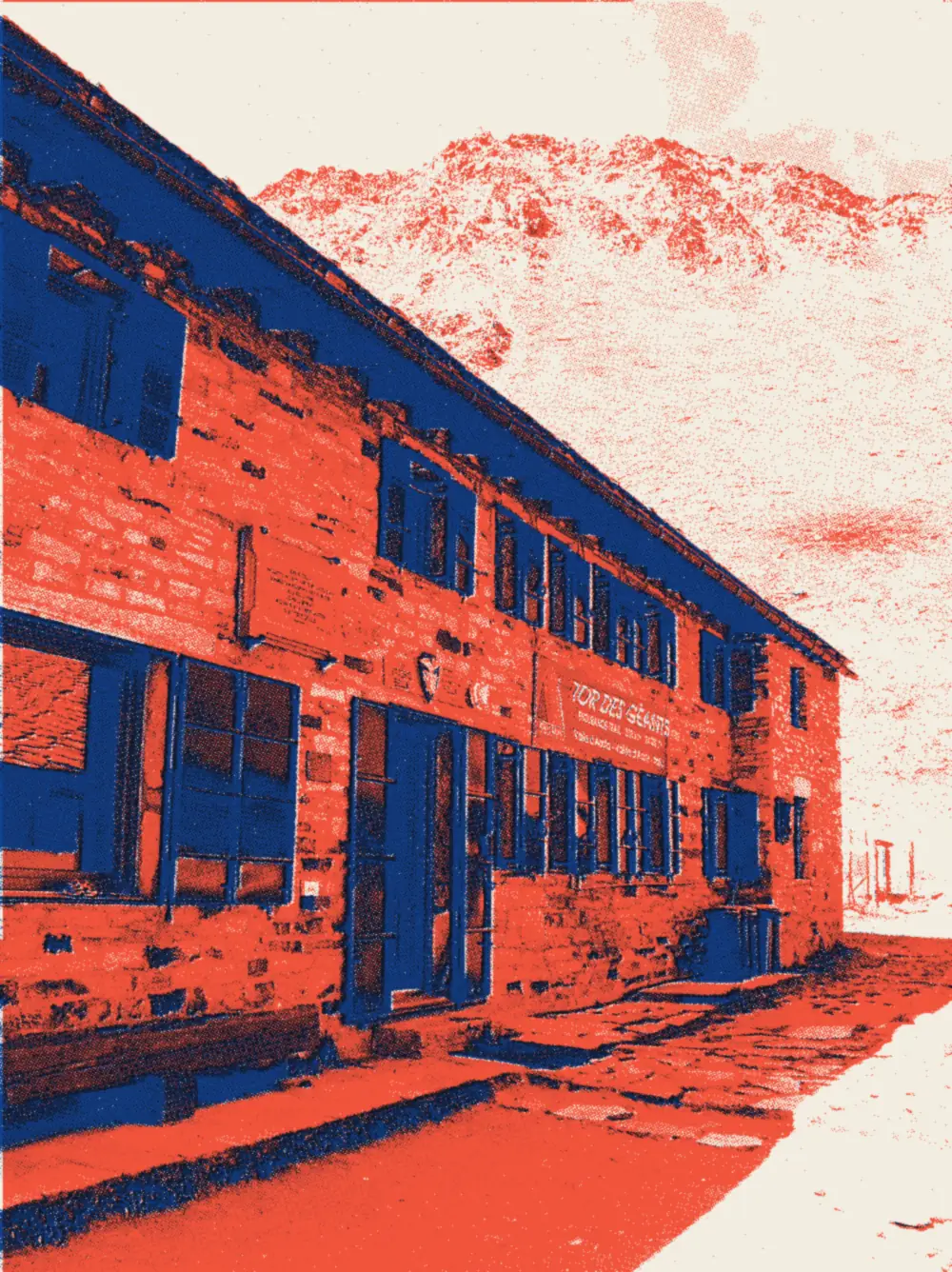
04Fifteen minutes
Among the women, Germany’s Katharina Hartmuth finishes in 67:10:09, third overall. She beats her own 2024 record by 12 hours. According to the organization, she slept only 15 minutes over the entire race. Fifteen minutes.
05When the brain checks out
Lack of sleep takes its toll. A study published in 2020 in the *Rivista di Psichiatria* surveyed 21 Tor participants, only one of them a woman: 19 had experienced false perceptions, and 8 real hallucinations. Visual hallucinations start around the third day, according to the authors, who point to prolonged sleep deprivation, but also altitude, stress and fatigue. The sample is small, the authors say so themselves. Over 330 km, the brain has its limits too.
Sources for this story (14)
Every fact was cross-checked in at least two independent sources. Where they disagree, the story says so.
- Edition Zero: Behind the Scenes of the Development of Tor des Géants — Run the Alps (Johanna Flashman, 2022)
- Tor des Géants 2010, résultats — DUV Ultra Marathon Statistics
- Résultats Tor des Géants 2026 : Jiaju Zhao bat le record — Reference Trail (2026)
- 2026 Tor des Géants Results — iRunFar (2026)
- Tor des Géants 330K final — Carreras de Montaña (2026)
- Historisch: Katharina Hartmuth wird Dritte beim TOR330 — xc-run.de (2026)
- Fenix Signed Athlete Jiaju Zhao Wins TOR330 — Newswire (communiqué, 2026)
- TORX Tor des Géants 2025 : risultati — Aostasera (2025)
- How Tor des Géants Manages Emergencies — Run the Alps (Johanna Flashman, 2023)
- Tor des Géants — Run the Alps
- Comment suivre en direct l'arrivée du Tor des Géants — Outside.fr (2019)
- Misperceptions and hallucinatory experiences in ultra-trailer, high-altitude runners — Rivista di Psichiatria (Carbone et al., 2020, 55(3):183-190)
- API Wikimedia Commons, métadonnées des deux photos
- Tor des Géants — Wikipédia EN
Read next
The whole journal → No. 35
Diagonale des Fous: 112 km in 1989, 180 km today
A former mountain police officer, 500 to 550 walkers, 112 km. In 1989 the “Marche des Cimes” crosses Réunion from north to south. Thirty-seven years later, the Diagonale des Fous is 180 km, in the opposite direction.
 No. 05
Western States 100: The Race Born Because a Horse Went Lame
The Western States 100 history starts with a limp. In 1973 a horse goes lame and its rider does not finish the race. The next year, that rider finishes it on foot, and unknowingly lays the first stone of modern ultrarunning.