PacePoster · No. 01 · October 2026 · 50 true stories
The Journal
Sports history remembers a name and a time. Behind them, there is often a wild story. We tell them here, fact-checked and sourced.
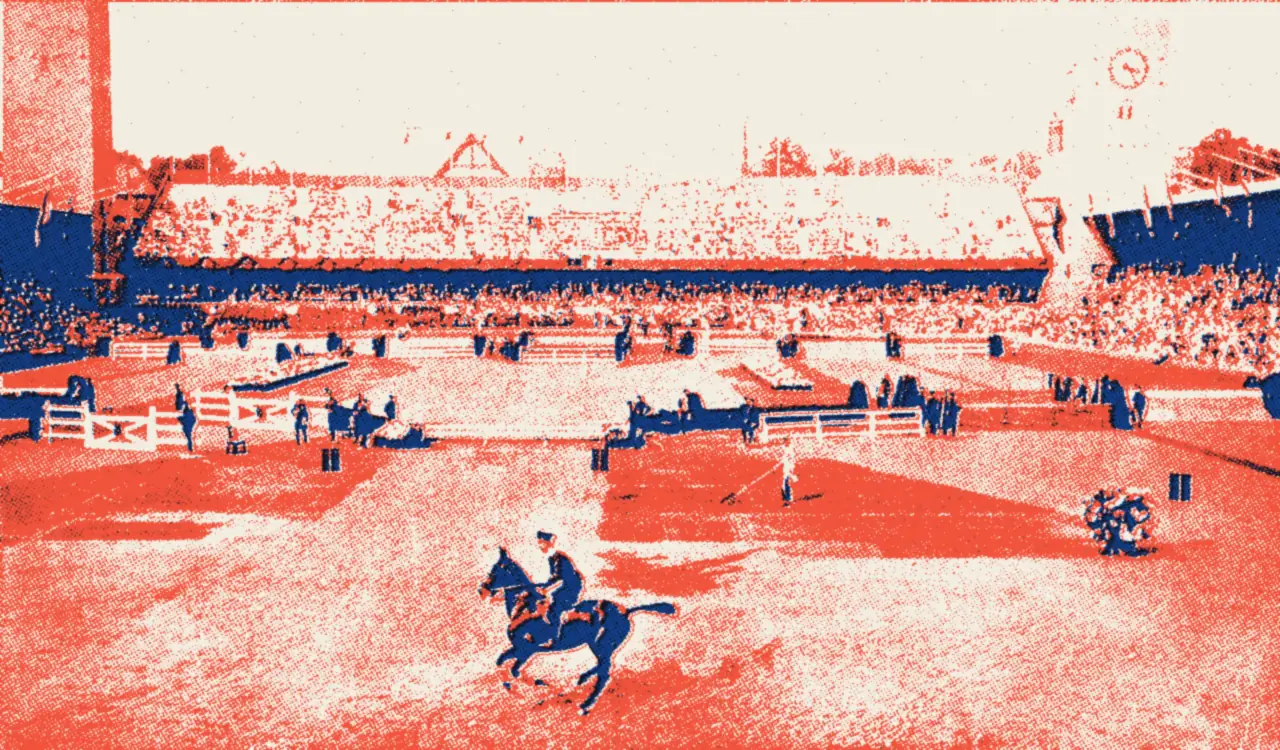
54 Years, 8 Months and 6 Days: Shizo Kanakuri and the Slowest Marathon Ever
The slowest marathon time ever belongs to Shizo Kanakuri. In 1912 he vanished mid-race at the Stockholm Olympics. In 1967 he finally crossed the finish line. In between: 54 years, 8 months and 6 days, a Guinness record and six children.
Read the story · 3 min →Marathon legends
26.2 miles of madness
 No. 01
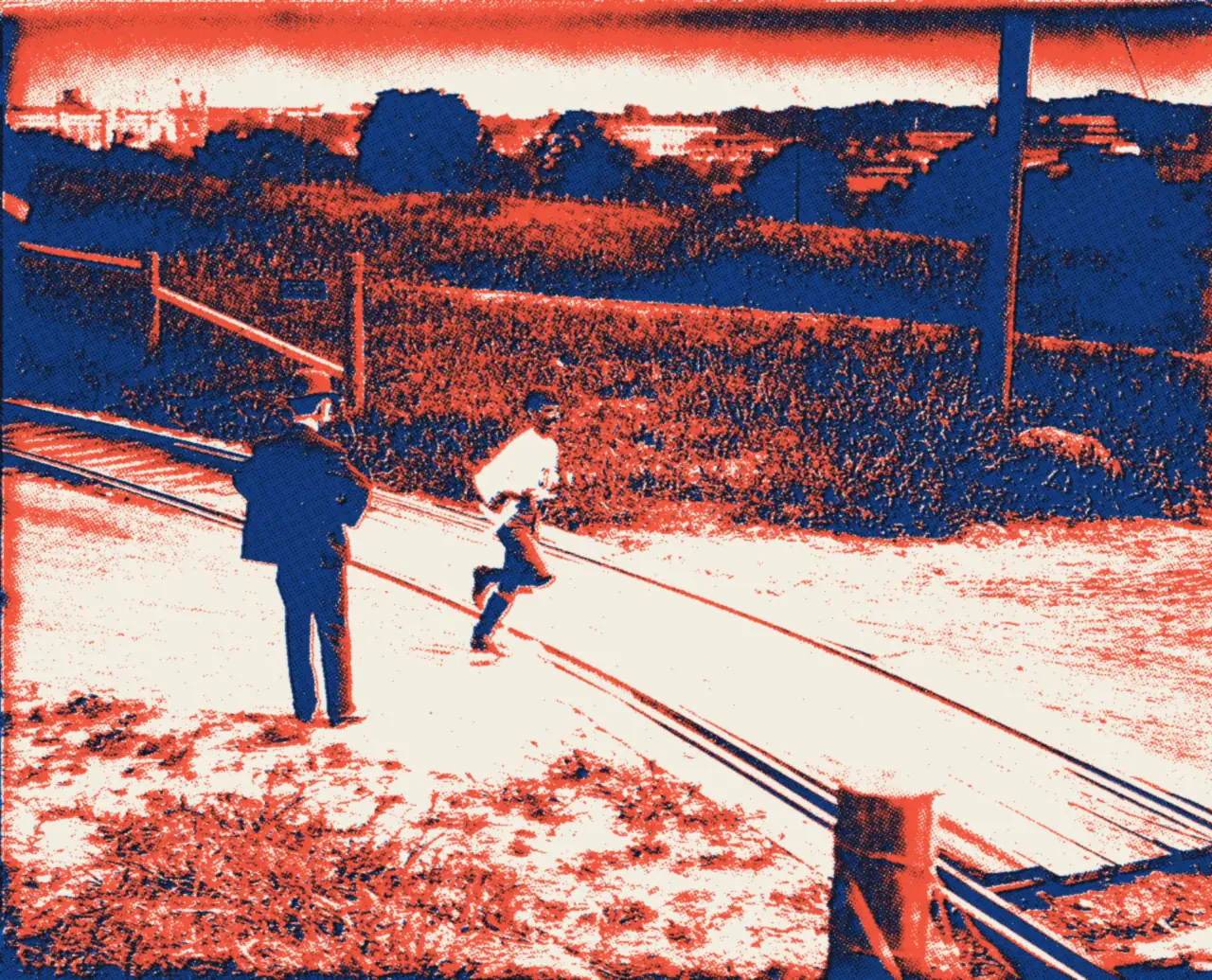
The 1904 Olympic Marathon: The Most Absurd Race in History
One runner covers part of the course by car, the winner runs on rat poison, and a Cuban mailman stops to eat apples. St. Louis, August 30, 1904: the 1904 Olympic marathon, where almost everything that could go wrong did.
 No. 03
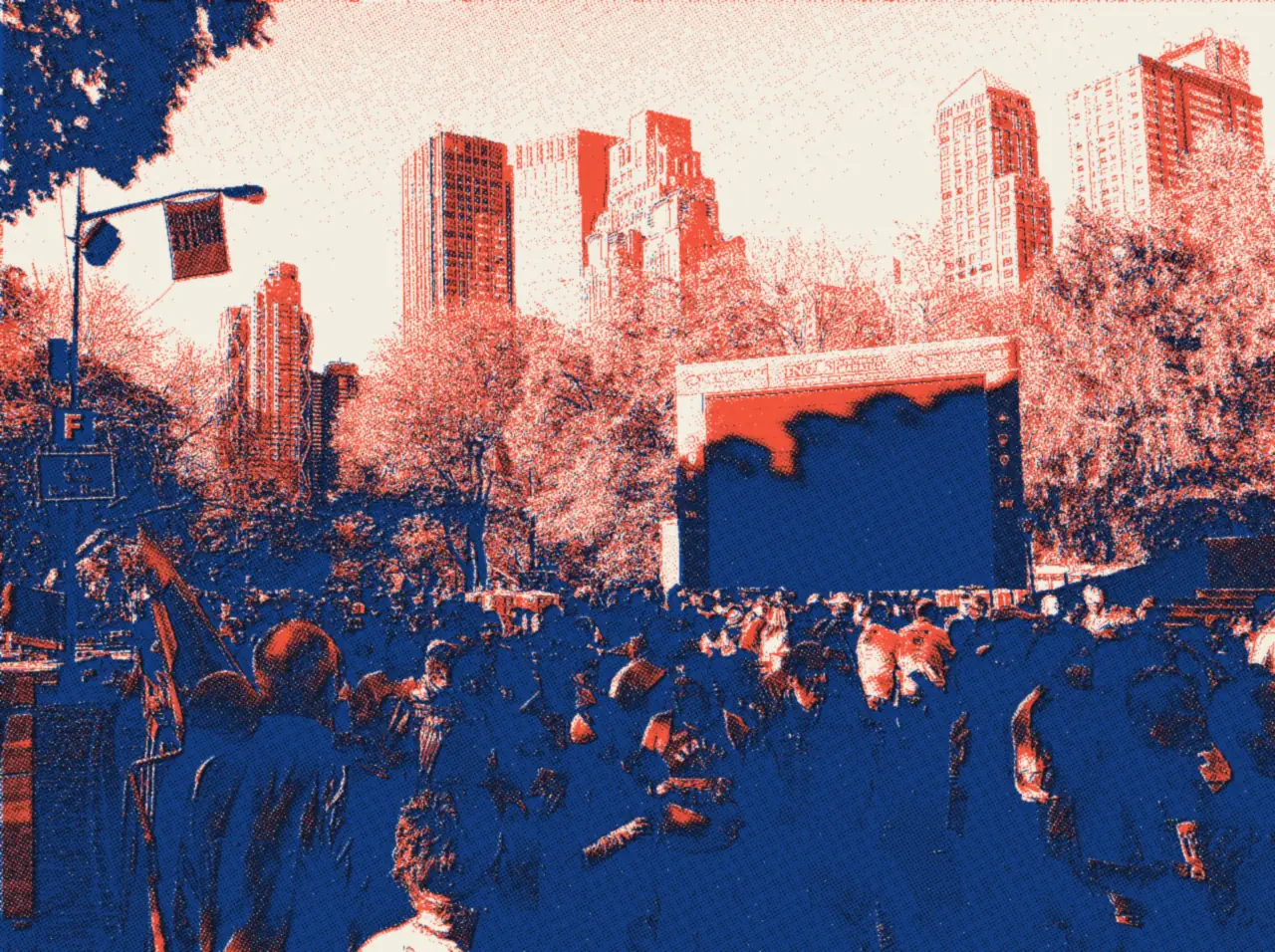
New York 1970: 127 Runners, $1 and Laps of Central Park
The first New York Marathon was run on September 13, 1970: 127 people paid $1 to circle Central Park for 26.2 miles (42.195 km). Fifty-five made it to the finish. In 2025 the same race counted 59,226 finishers, a world record.
 No. 04
Boston 1967: The Bib They Tried to Rip Off Kathrine Switzer
Who was the first woman to run the Boston Marathon? Bobbi Gibb in 1966, without a number. Kathrine Switzer was the first to get a bib, in 1967: a 20-year-old student who entered under her initials and, a few miles in, had the race director charging at her to rip it off.
 No. 13
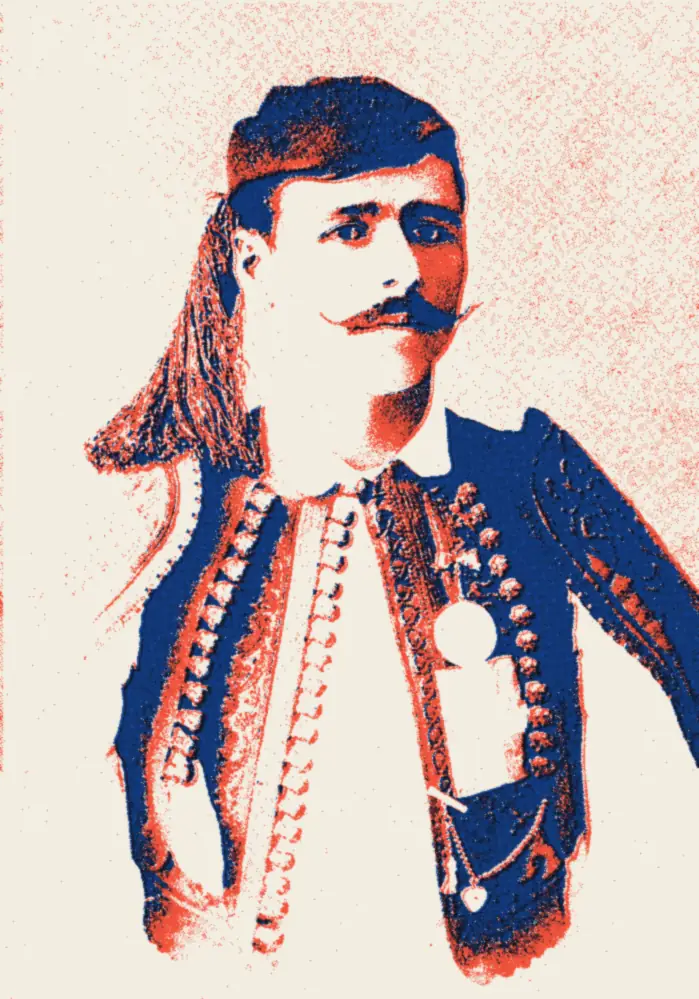
Spiridon Louis, 1896: The Water Carrier Who Won the First Marathon
Spiridon Louis, a young Greek from Marousi, entered the Panathenaic Stadium on April 10, 1896, to a roaring crowd: he had just won the very first marathon in Olympic history. Since then he has been credited with a glass of wine, a shepherd's job and gifts by the cartload. Let's sort it out.
 No. 17
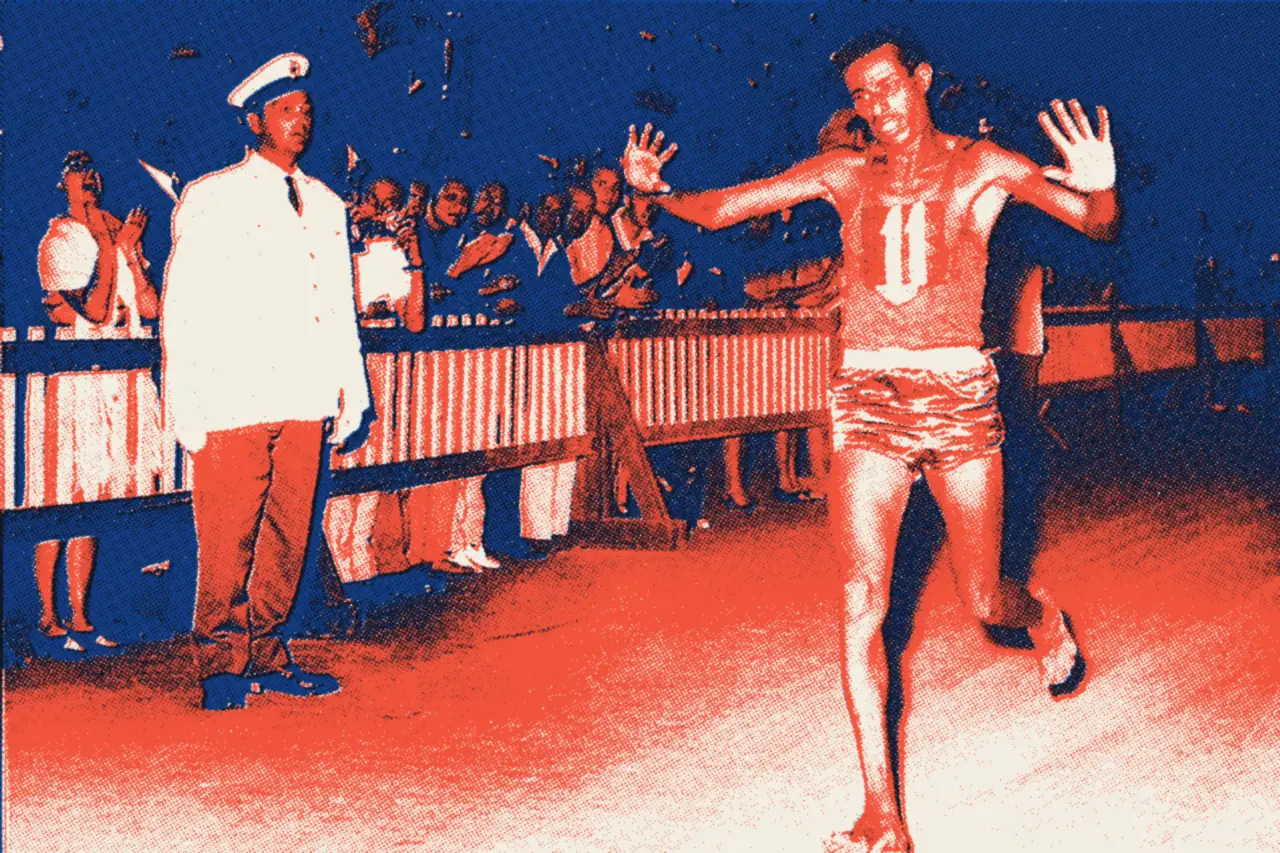
Abebe Bikila, Rome 1960: The Barefoot Marathon by Torchlight
Why did Abebe Bikila run barefoot? On September 10, 1960, a near-unknown Ethiopian sets off from Rome’s Capitoline Hill without shoes, and sources disagree on exactly why. Two hours later, Italian soldiers light with torches the road he is climbing back up in the lead, toward the Arch of Constantine. He has just broken the world record.
 No. 20
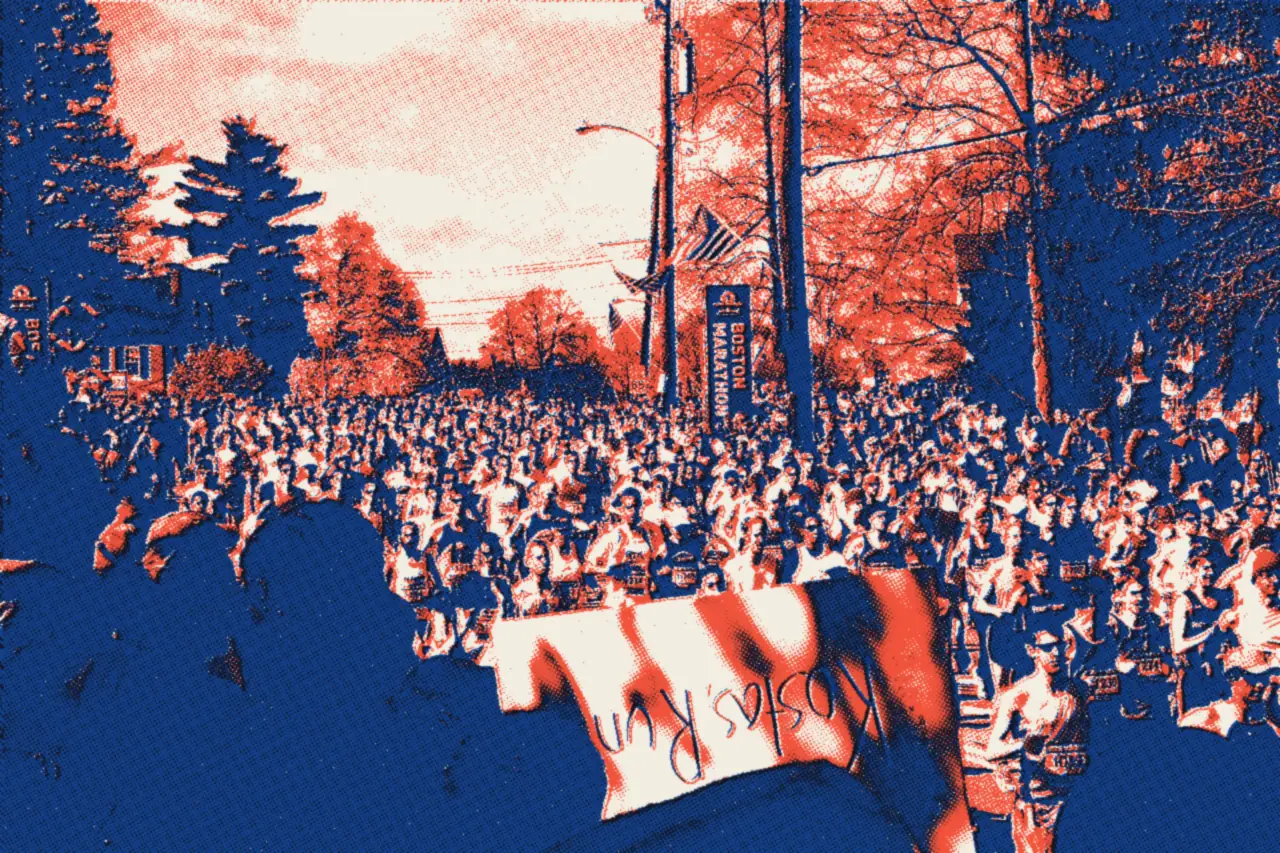
Rosie Ruiz, Boston 1980: The Winner Who Only Ran the Last Mile
On April 21, 1980, an unknown 26-year-old crosses the finish line of the Boston Marathon first among the women, in 2:31:56. A laurel wreath is placed on her head. There is just one catch: nobody saw her run.
 No. 25
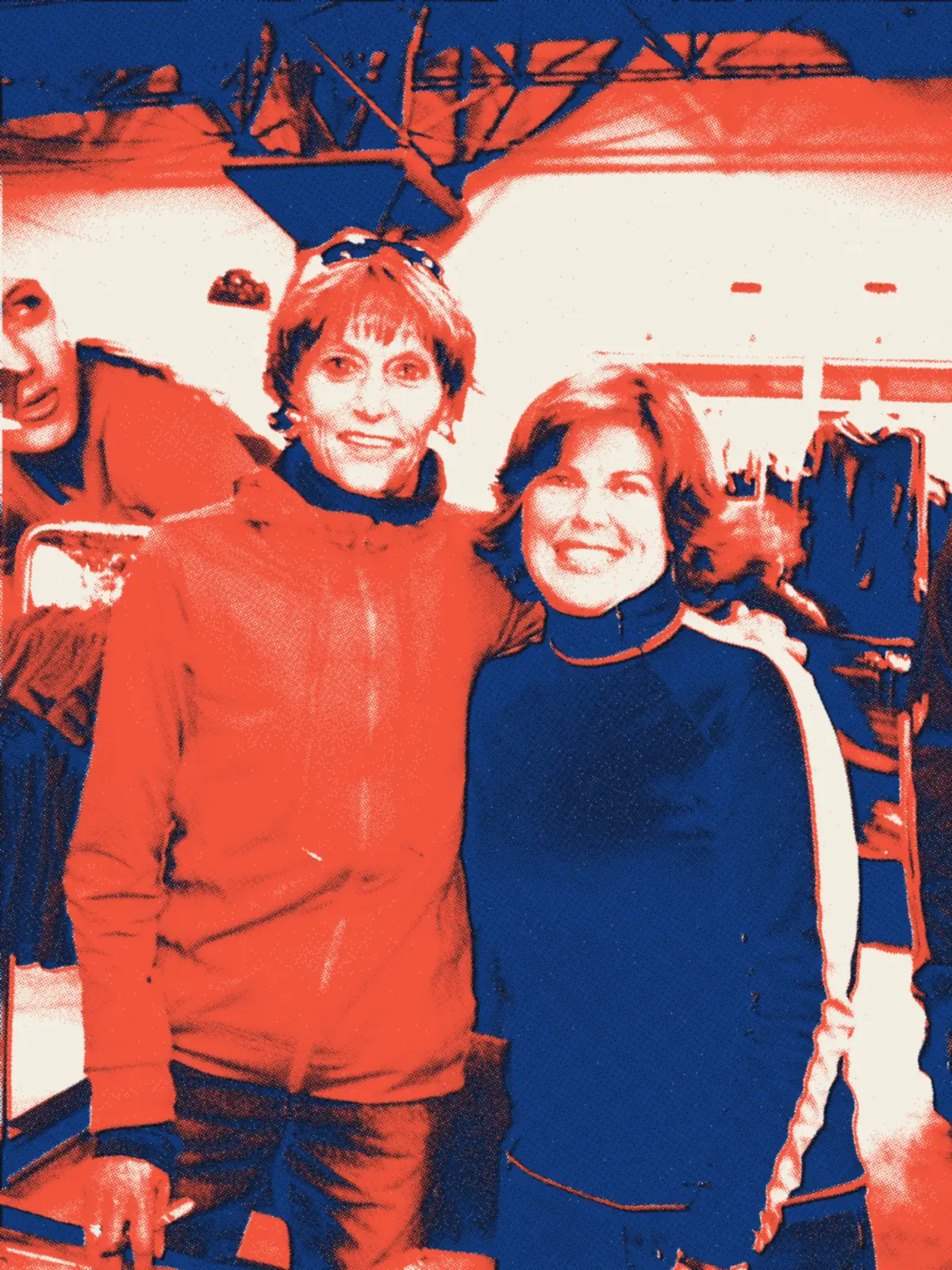
Grete Waitz, the Rabbit Who Won New York: World Record, Then “Never Again”
Grete Waitz won the New York City Marathon nine times, but the first one was an accident. In October 1978, New York invites a Norwegian track runner to set the pace for the favorites. She has never run more than 12 miles. She wins in a world record, swears it was the last time, and goes on to win eight more.
 No. 27
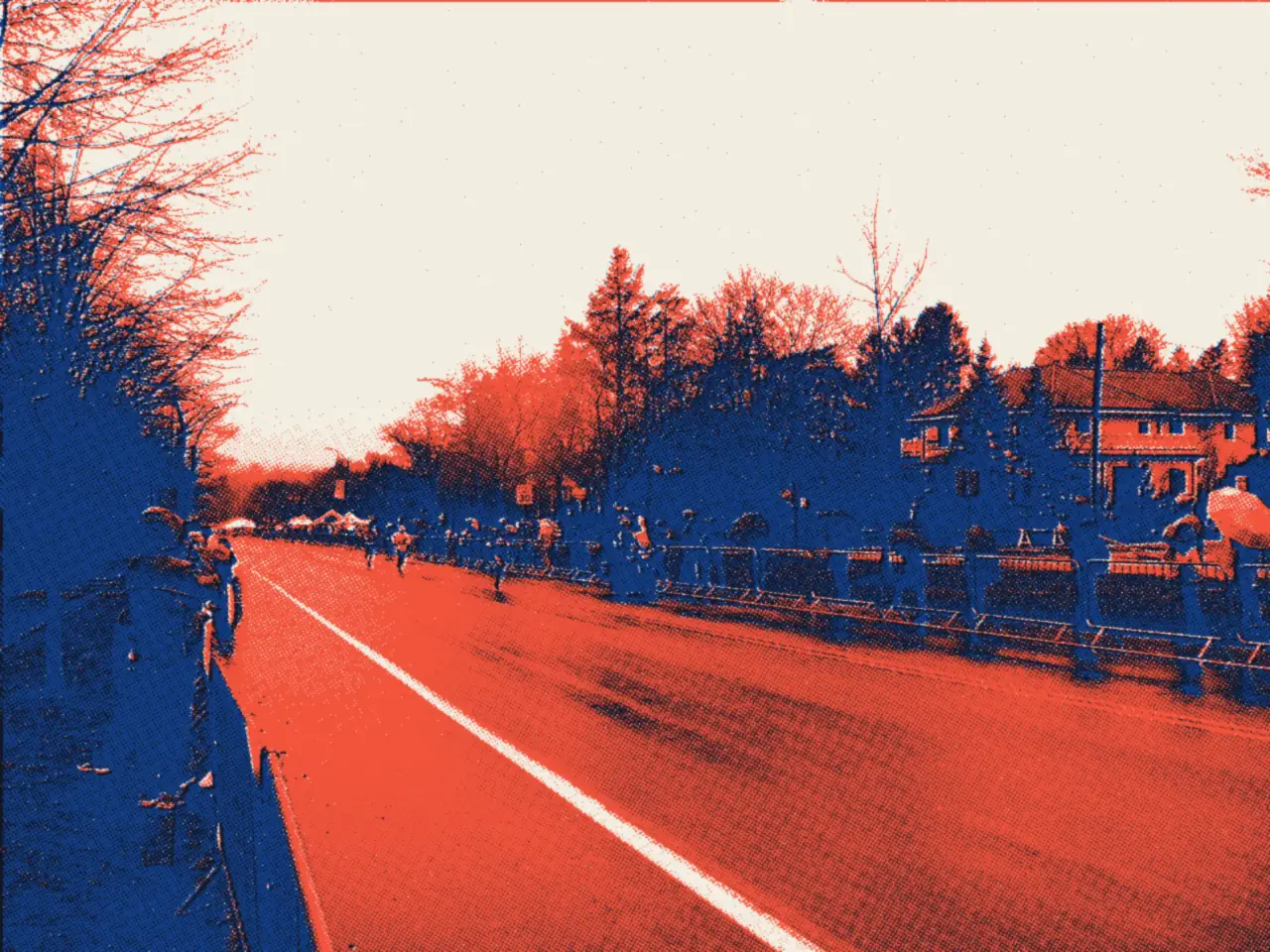
Boston 2018: The Civil Servant Who Won in a Storm
Monday, April 16, 2018, Boston. Freezing rain, gusts of wind, a few degrees above zero. After 26.2 miles, the man who crosses the line first is an office clerk at a Japanese high school, with no coach and no sponsor.
 No. 29
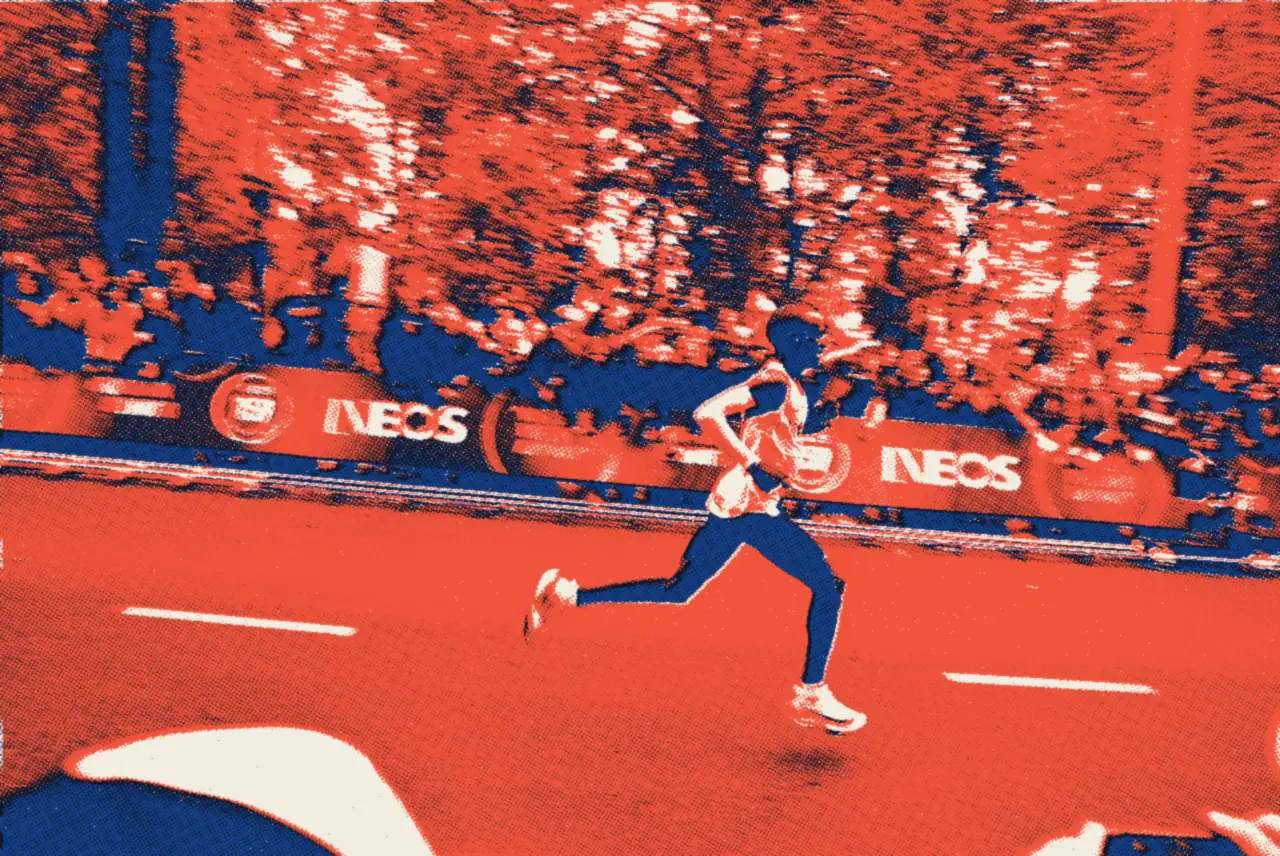
Kipchoge, Vienna 2019: Under 2 Hours, but Not a Record
Kipchoge's sub 2 hour marathon happened on Saturday, October 12, 2019, in Vienna. Eliud Kipchoge runs behind an electric car that projects a green laser onto the road. One hour, fifty-nine minutes and forty seconds later, he has done what nobody had done. And yet the record book noted nothing.
 No. 34
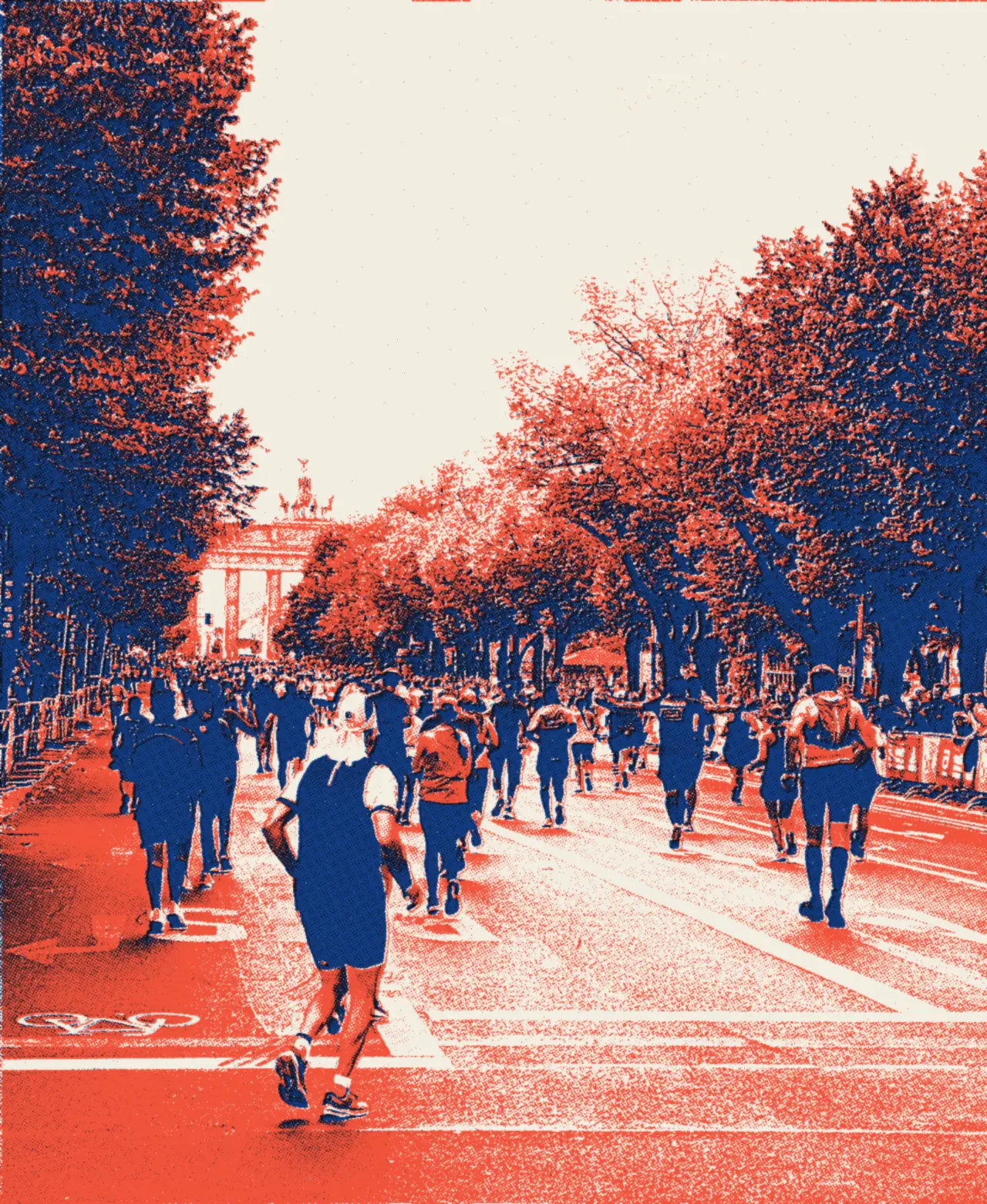
Berlin 1974: The Marathon Born in the Forest
Berlin Marathon history begins on October 13, 1974, when 286 runners gather outside a stadium in Charlottenburg for a race nobody is expecting. A chalk line on the asphalt, a forest, and a pastry baker with bigger dreams. Fifty years later, it is the race of 13 world records.
 No. 39
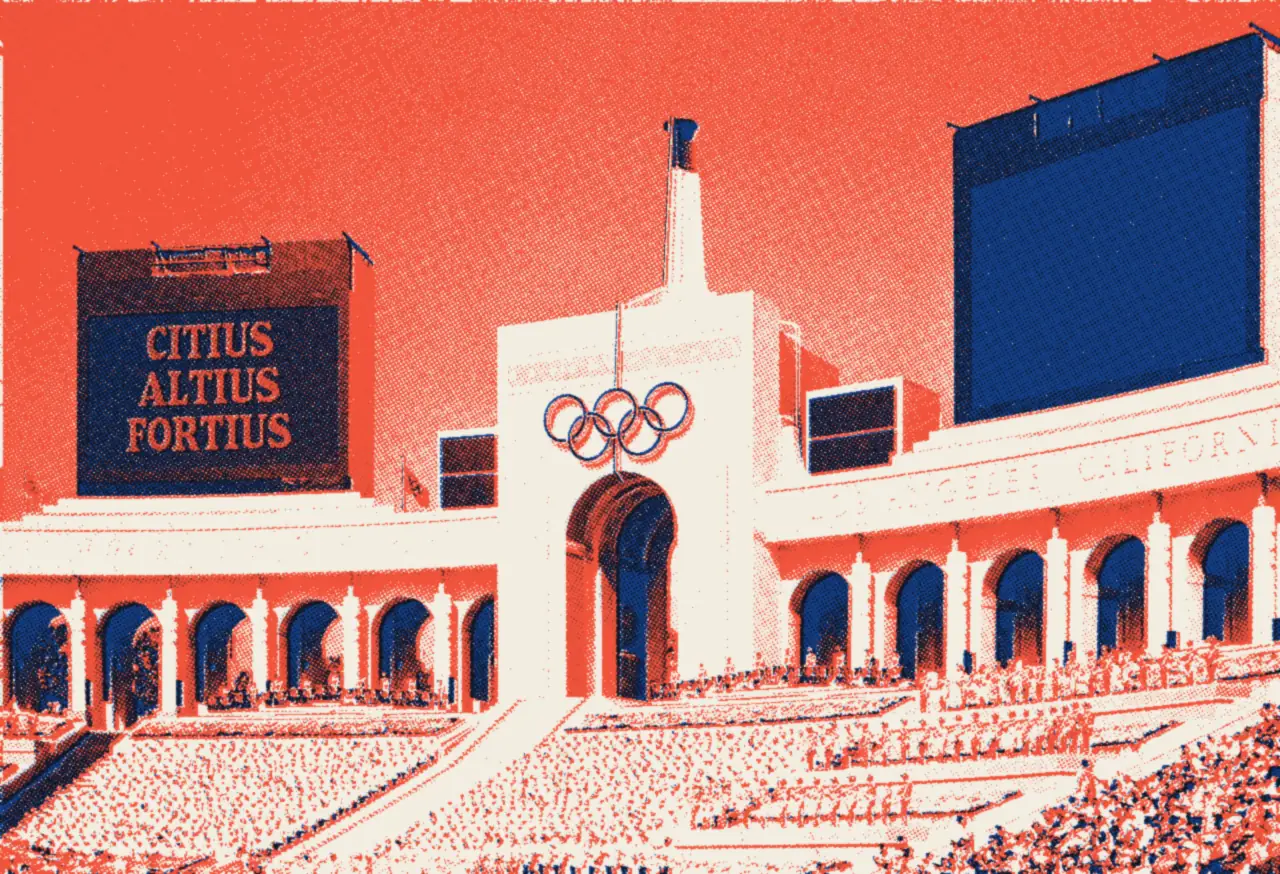
The First Women's Olympic Marathon: Joan Benoit, Los Angeles 1984
The first women's Olympic marathon was run on August 5, 1984, in Los Angeles, with 50 women on the start line. Joan Benoit, who had knee surgery that spring, breaks away in the first kilometers and is never caught. Behind her, a Swiss runner writes another page, in tiny steps.
 No. 40
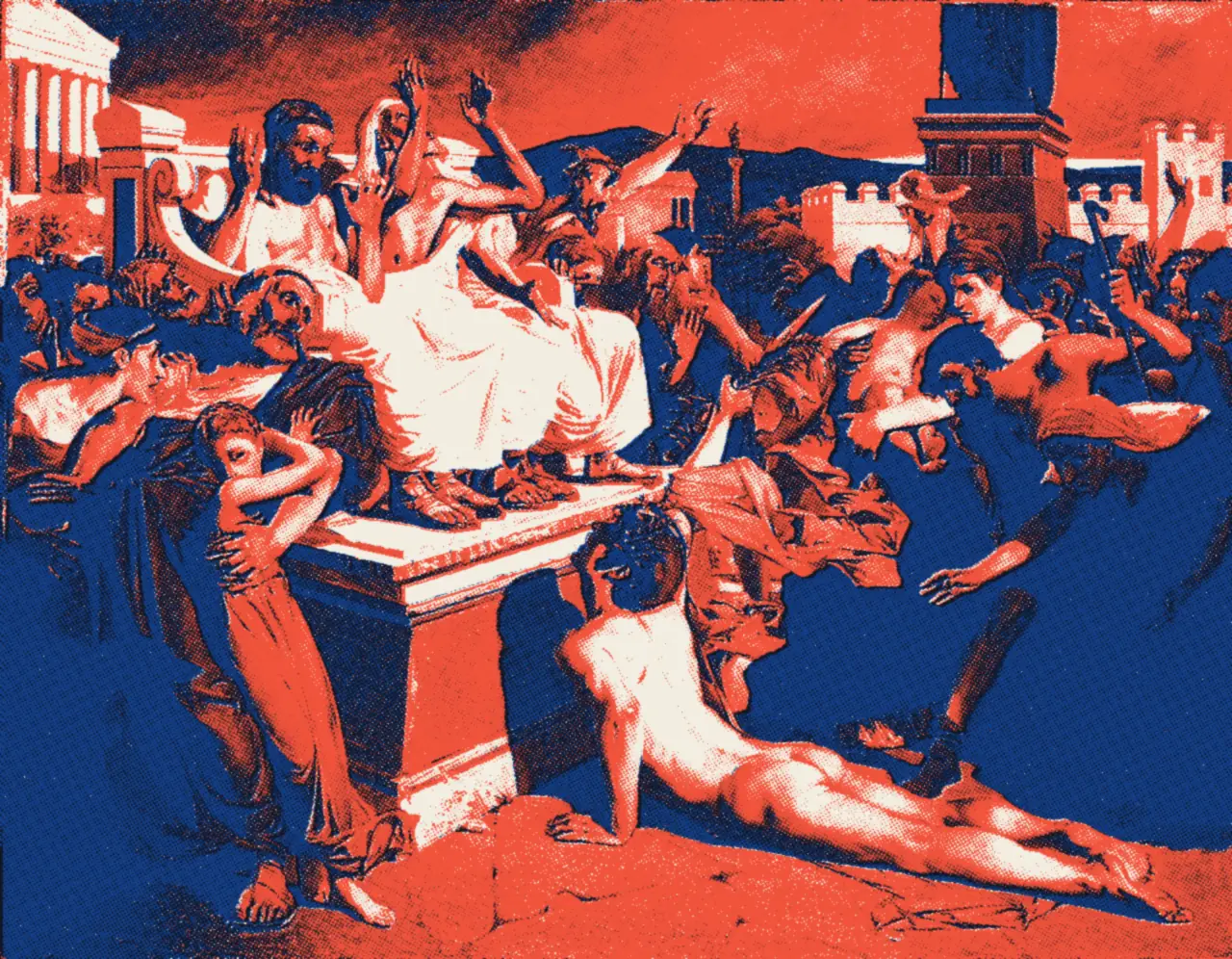
The History of the Marathon: Pheidippides Ran to Sparta, Not Athens
The history of the marathon begins in 1896, at the first modern Olympic Games in Athens, from an idea by the linguist Michel Bréal. It rests on a legend: a messenger runs from Marathon to Athens, cries victory and drops dead in front of the magistrates. Except that Herodotus, the Greek historian who tells the battle, says nothing of the sort: his Pheidippides runs to Sparta, and comes back alive.
 No. 41
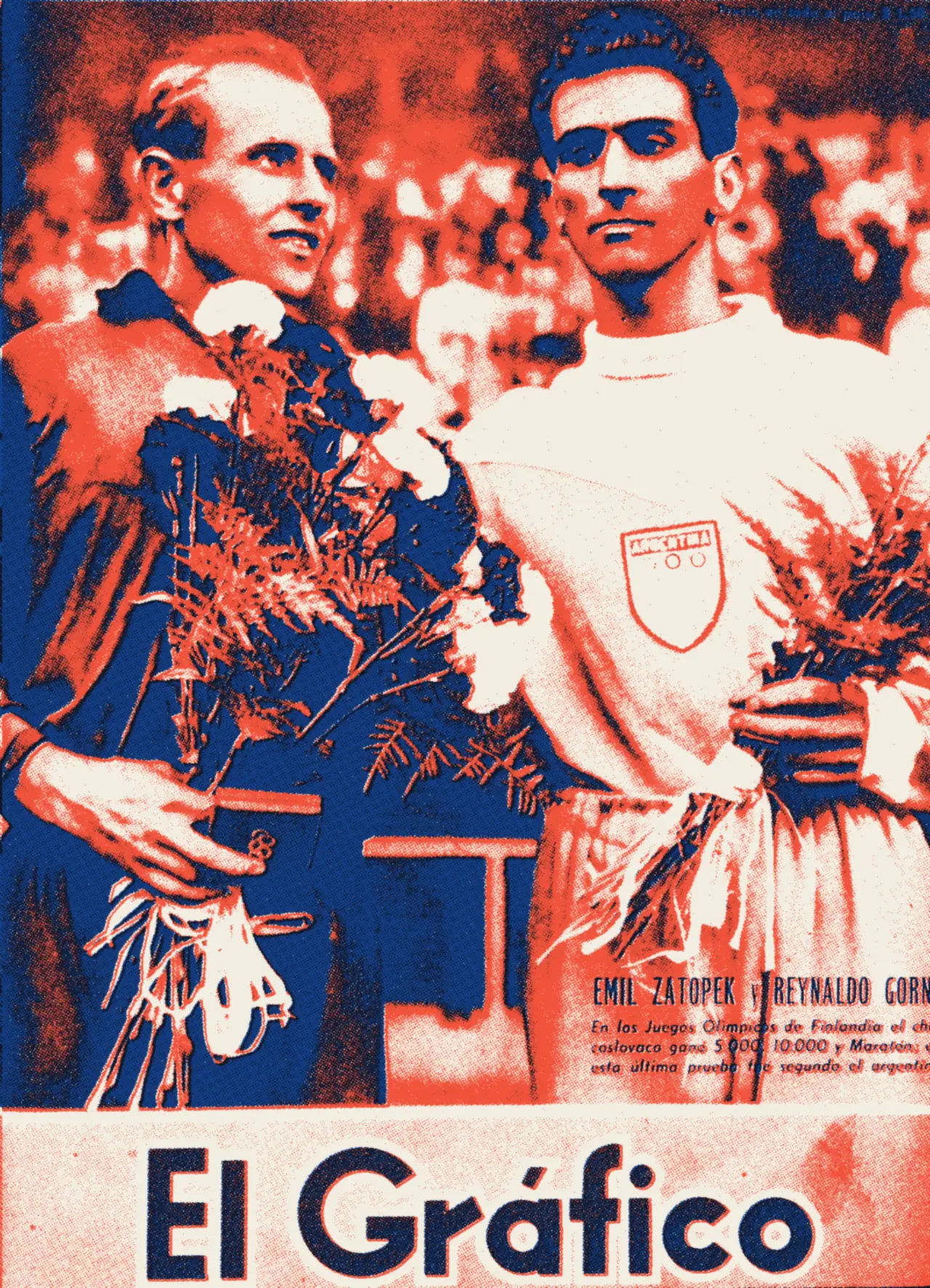
Zátopek, Helsinki 1952: 5,000 m, 10,000 m, Then a First Marathon
How did Emil Zátopek win the Olympic marathon on his first try? Helsinki, July 1952: he has already won the 10,000 m and the 5,000 m. Then he lines up for a marathon, a distance he has never run. He wins that too. In between, his wife Dana became an Olympic champion, on the very day of his 5,000 m.
 No. 42
Why Is the Boston Marathon on a Monday? 1775, 1897 and 1969
Why is Boston Marathon on Monday? Because it is run on Patriots' Day, the holiday that recalls the first battles of the American Revolutionary War, on April 19, 1775. It all got locked in during 1969, when this Massachusetts holiday became the third Monday of April.
 No. 43
The World's Oldest Marathon Runner? Fauja Singh, 100 Years Old in Toronto
The oldest marathon runner in the world, according to the AP, is Fauja Singh. On October 16, 2011, in Toronto, he finished a marathon at 100 years old, going by his passport. Yet Guinness never validated his record: it lacks a birth certificate, and nobody can provide one.
 No. 44
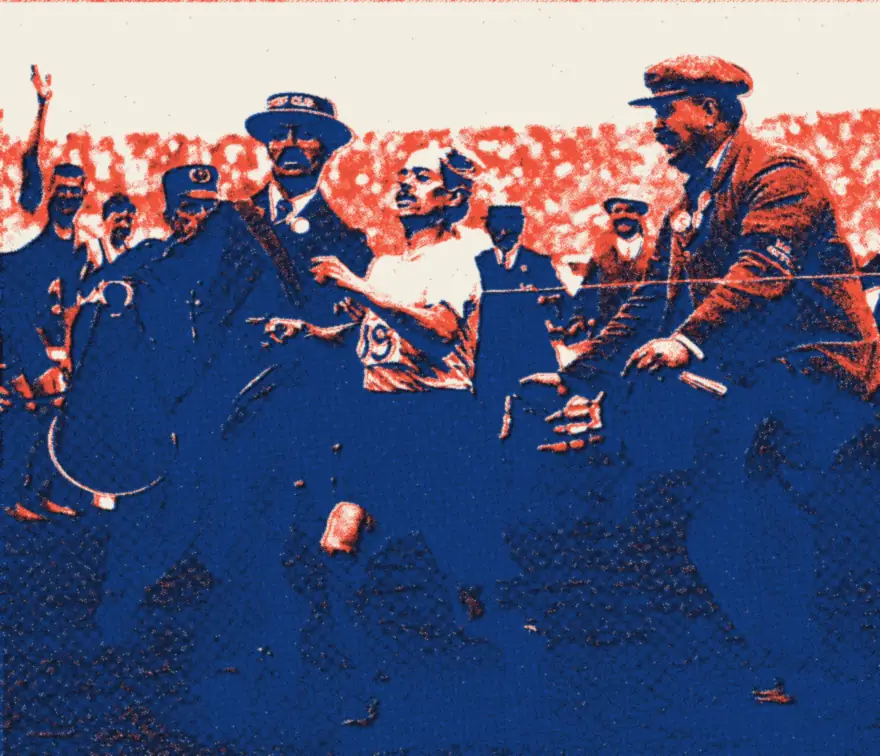
Why Is a Marathon 26.2 Miles? Dorando Pietri, London 1908
Why is a marathon 26.2 miles (42.195 km)? Because of London, 1908: about 26 miles to the stadium, then 385 yards on the track to the royal box. That day, an exhausted Italian crosses the line first... and loses the win. His race ended up giving the marathon its final length.
 No. 45
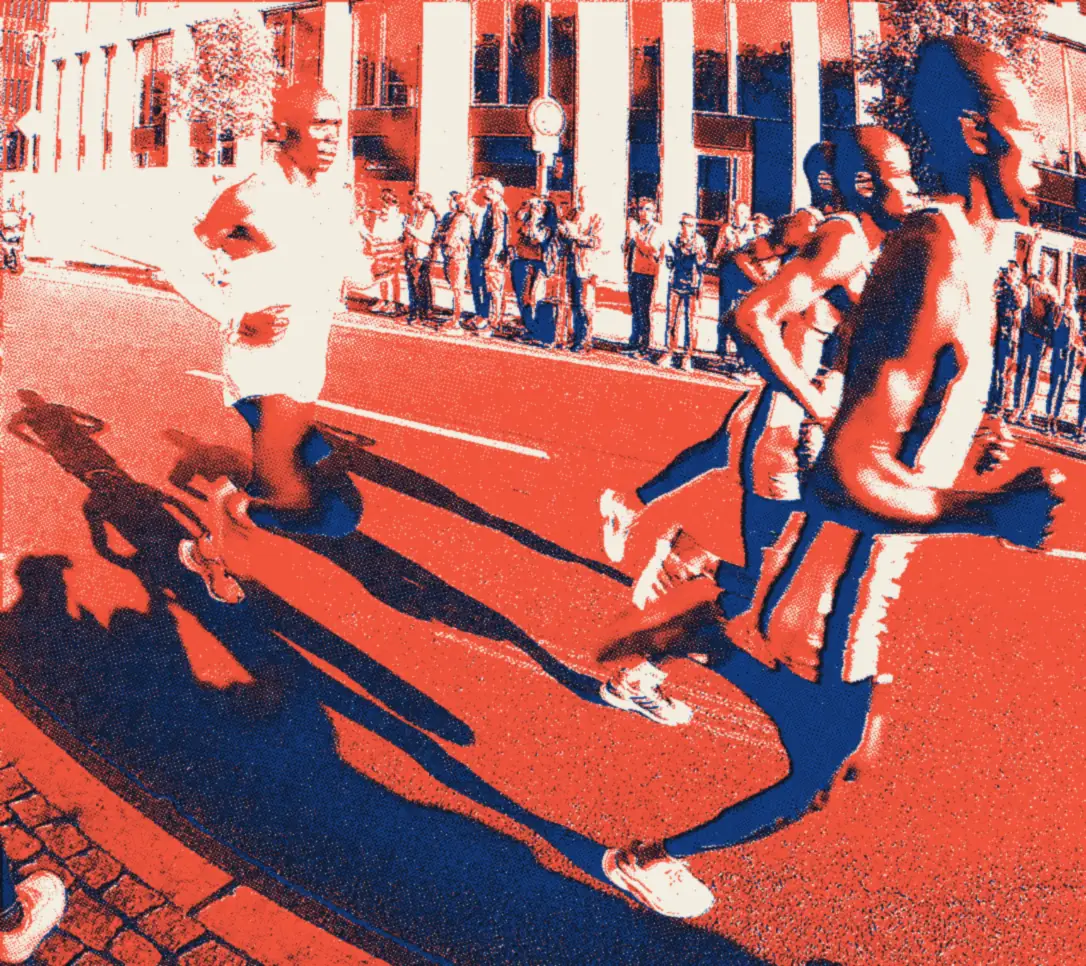
Marathon World Record: From 2:55 to 1:59 in 118 Years
As of mid-October 2026, the men's marathon world record is 1:59:30, set by Sabastian Sawe in London on April 26, 2026. The women's marathon world record is 2:09:56, set by Ruth Chepngetich in Chicago in 2024, and it comes with an explanation you will find further down.
 No. 46
Largest Marathon in the World: New York, London and 59,830 Finishers
What is the largest marathon in the world? By finishers, it's London: 59,830 on April 26, 2026, a Guinness World Record. New York held the title since November 2025, with 59,226 finishers. It tries to take it back on November 1.
 No. 47
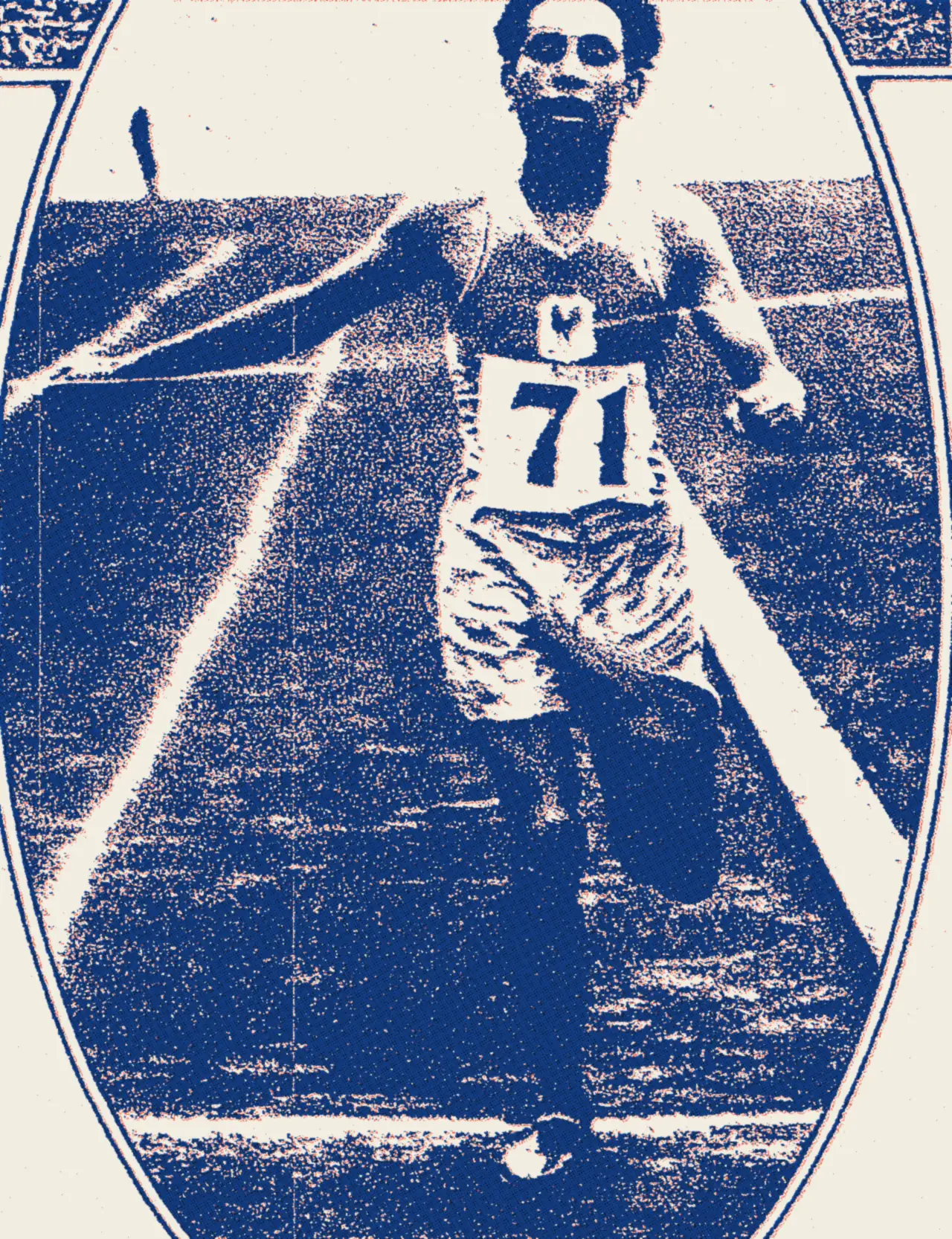
El Ouafi: The Renault Factory Hand Who Became Olympic Champion in Amsterdam
August 5, 1928, Amsterdam. A laborer from the Renault factories wins the Olympic marathon in a France jersey, by 26 seconds. Then his name falls into oblivion. This is the story of Boughera El Ouafi.
Trail & ultra
When the finish line is very, very far away
 No. 05
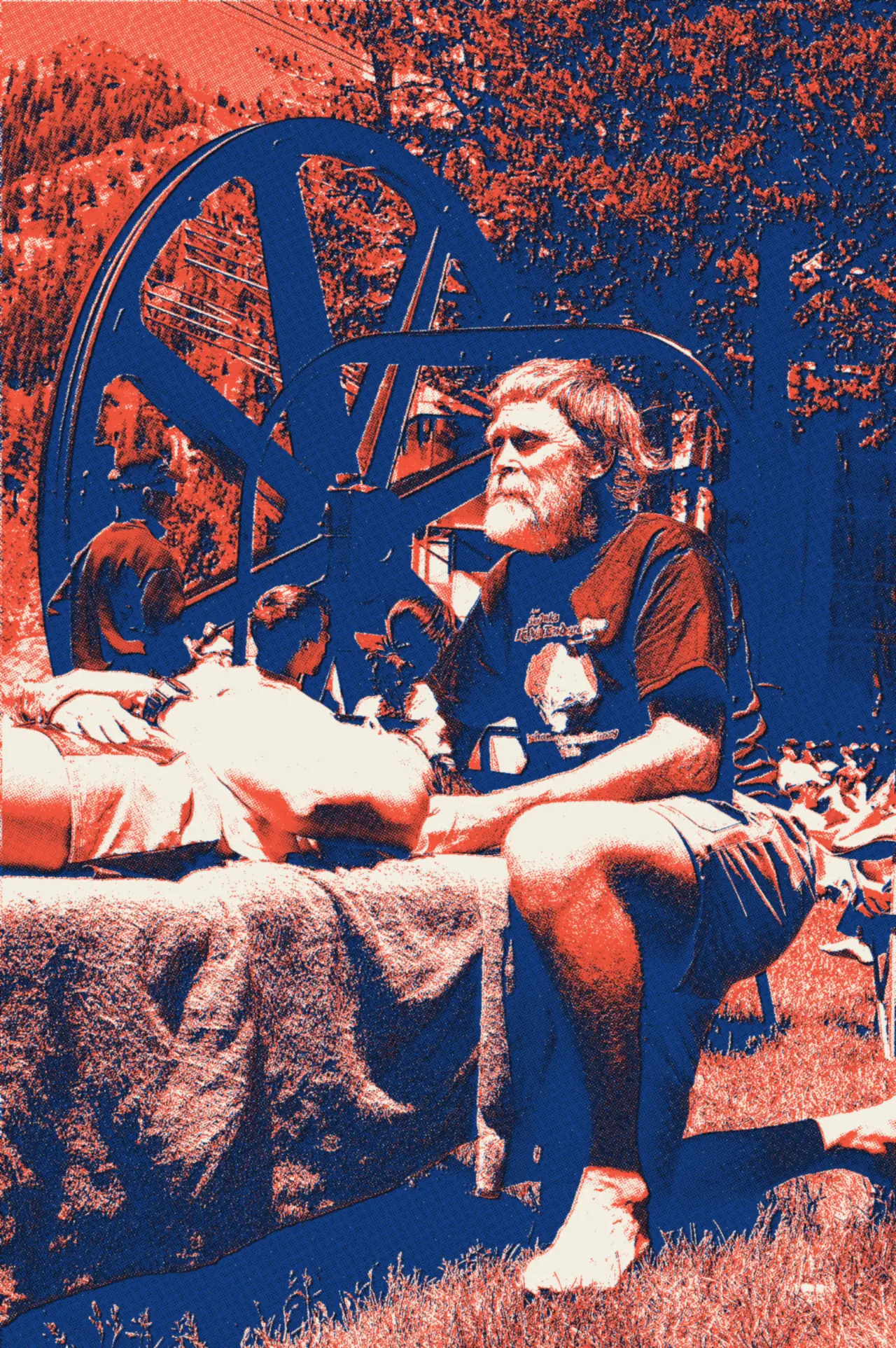
Western States 100: The Race Born Because a Horse Went Lame
The Western States 100 history starts with a limp. In 1973 a horse goes lame and its rider does not finish the race. The next year, that rider finishes it on foot, and unknowingly lays the first stone of modern ultrarunning.
 No. 06
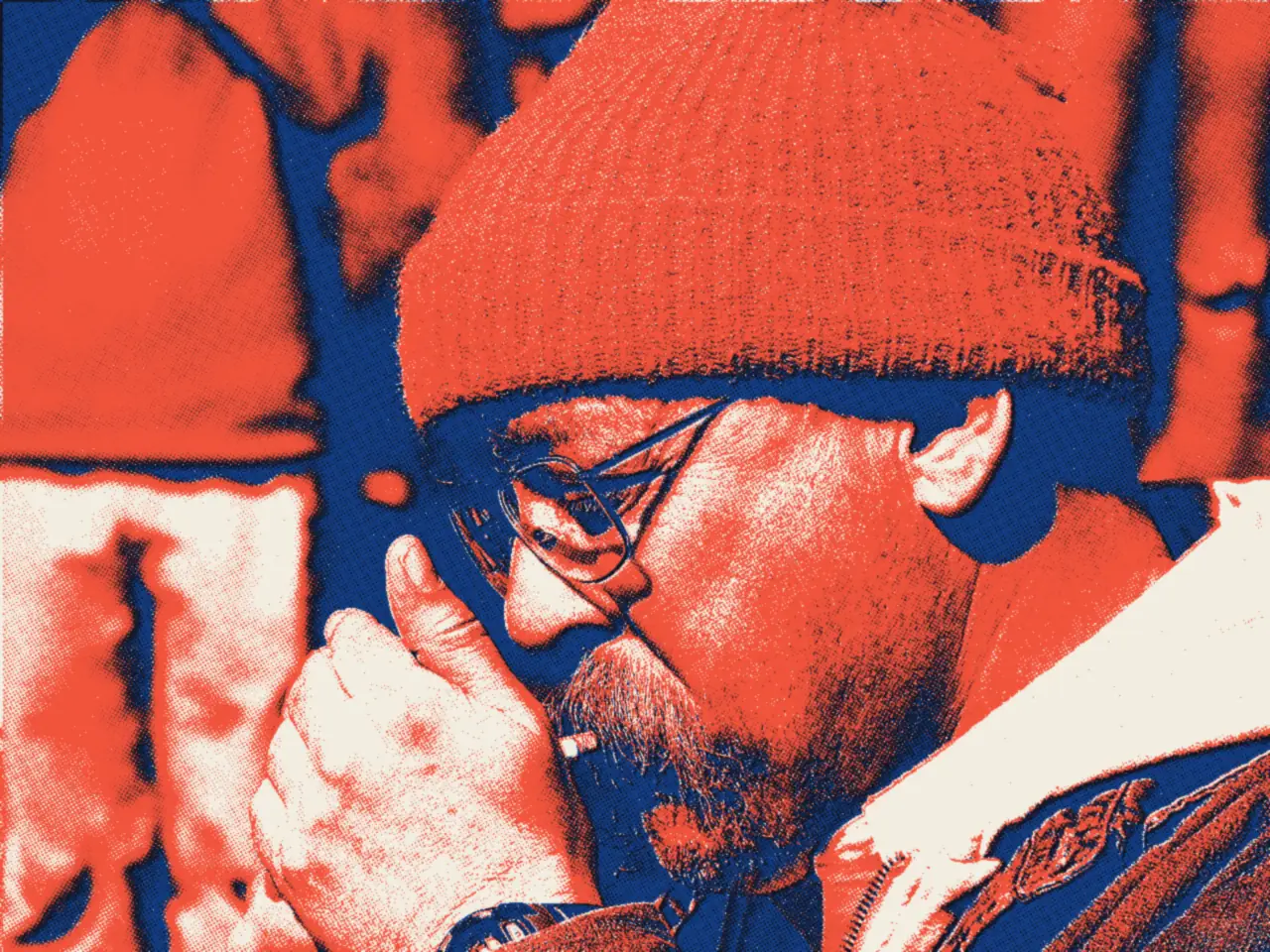
Barkley Marathons: $1.60, a License Plate and a Cigarette
To enter the Barkley Marathons, you need an essay, $1.60 and, the first time, a license plate. To start, you wait for a man to light a cigarette. Welcome to the Barkley.
 No. 07
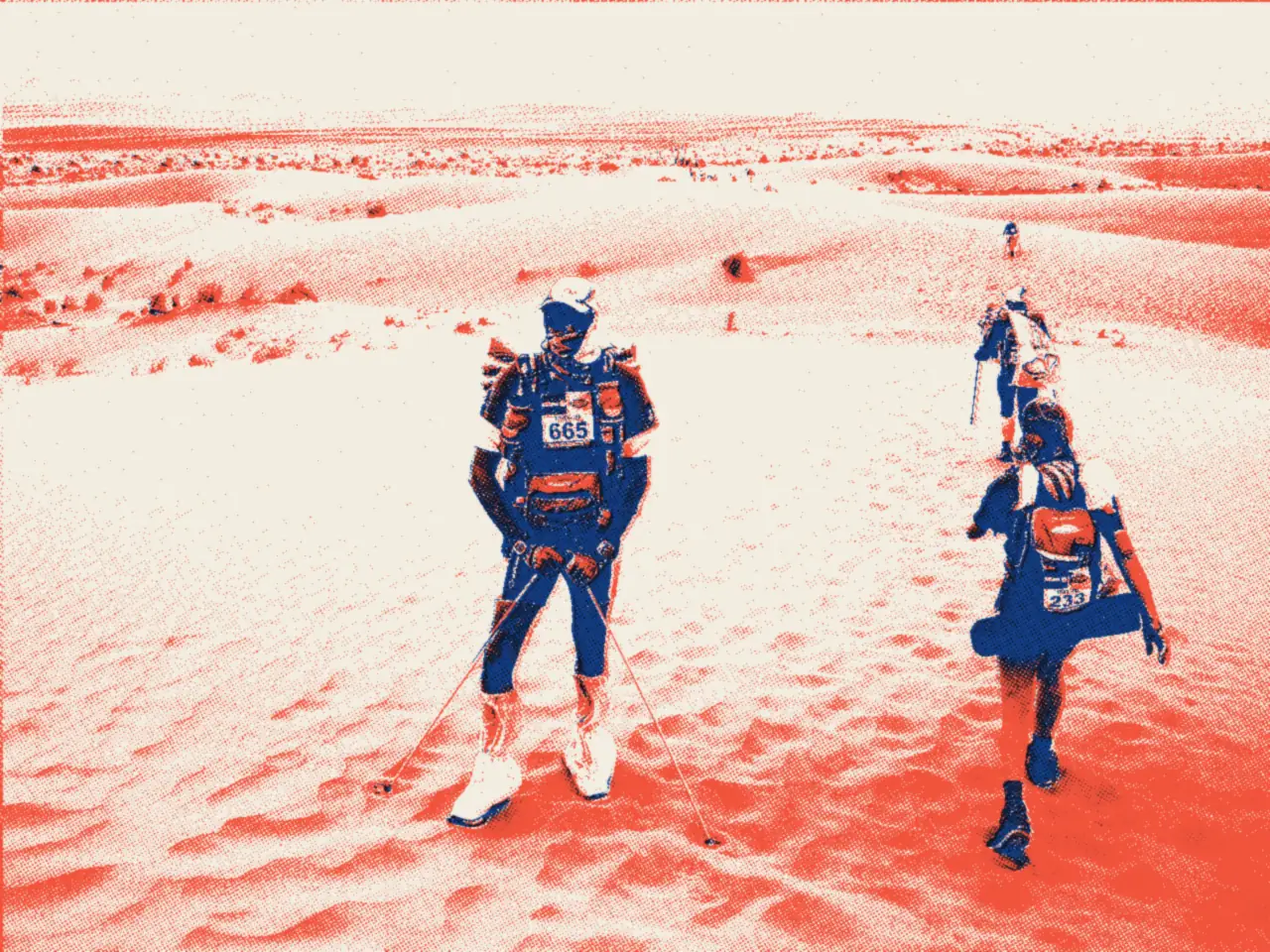
Mauro Prosperi: Lost in the Sahara in the Middle of the Marathon des Sables
The Mauro Prosperi survival story starts in 1994. An Italian athlete lines up for the Marathon des Sables and vanishes in a sandstorm. About ten days later he is found alive in Algeria, 291 km from the course.
 No. 15
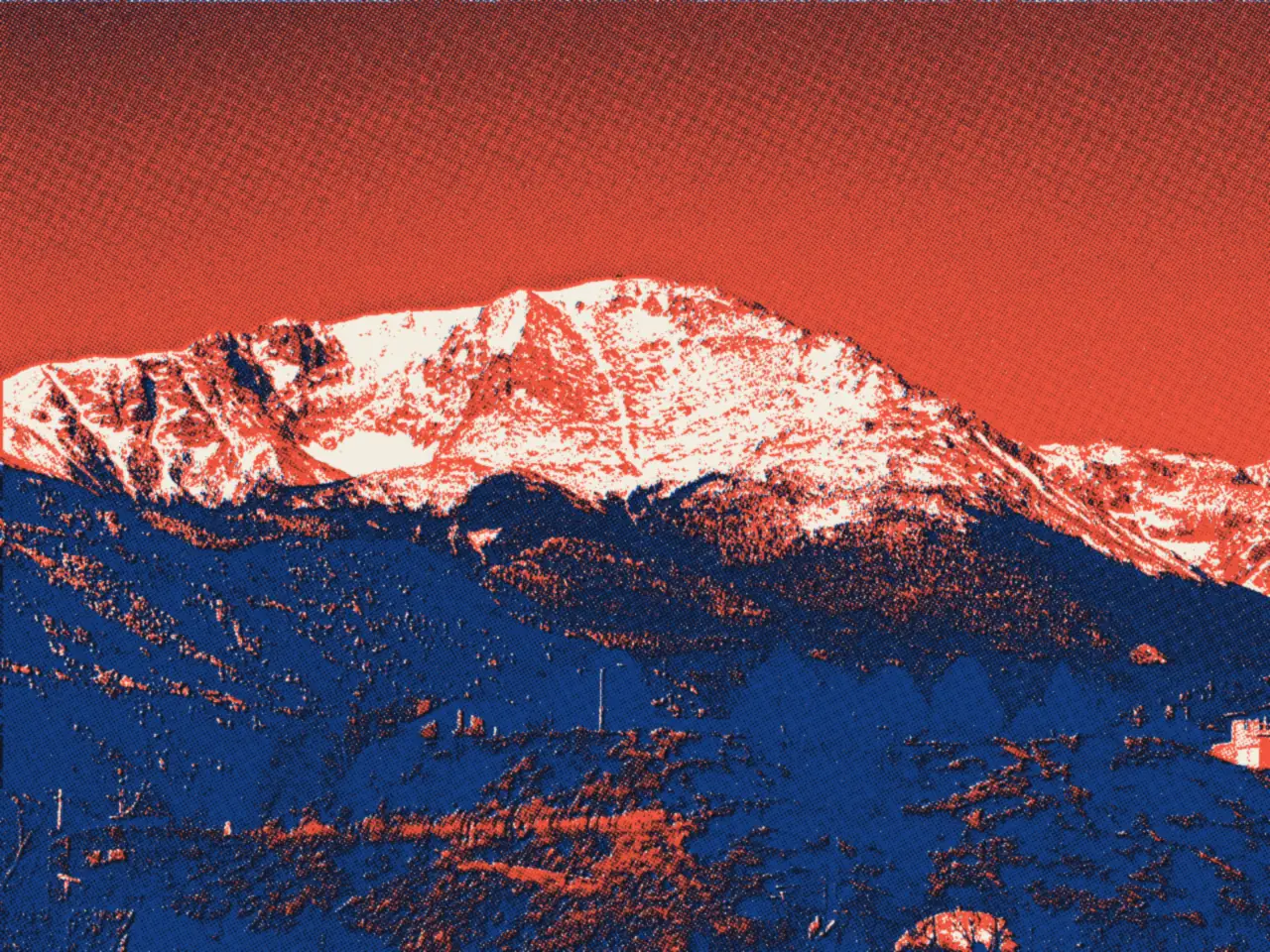
Pikes Peak 1956: A Doctor Dares Smokers to Beat Him to the Summit
Pikes Peak Marathon history starts on August 10, 1956, at the foot of the mountain, where a 56-year-old doctor waits for the smokers. His challenge: climb to the summit and come back down faster than he does. The quickest smoker reaches the top before the doctor. And stops there.
 No. 18
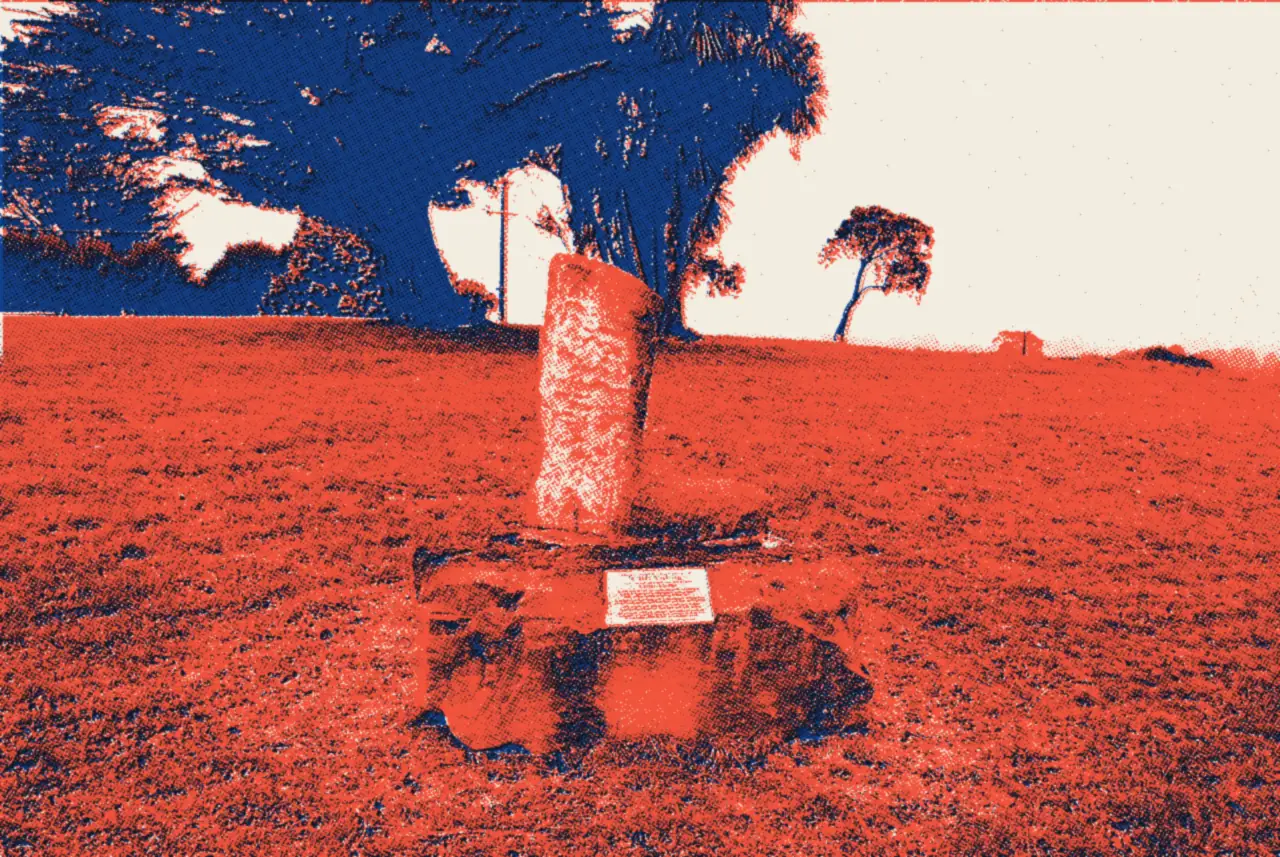
Cliff Young, 61: The Potato Farmer Who Won the Sydney–Melbourne Ultra
The Cliff Young 1983 story starts with a potato grower from Victoria, 61 years of age, lining up for a race of about 875 km against ultra specialists. He is the oldest man in the field. Five days later, he crosses the line first. Here is what we really know about Cliff Young, and what is legend.
 No. 19
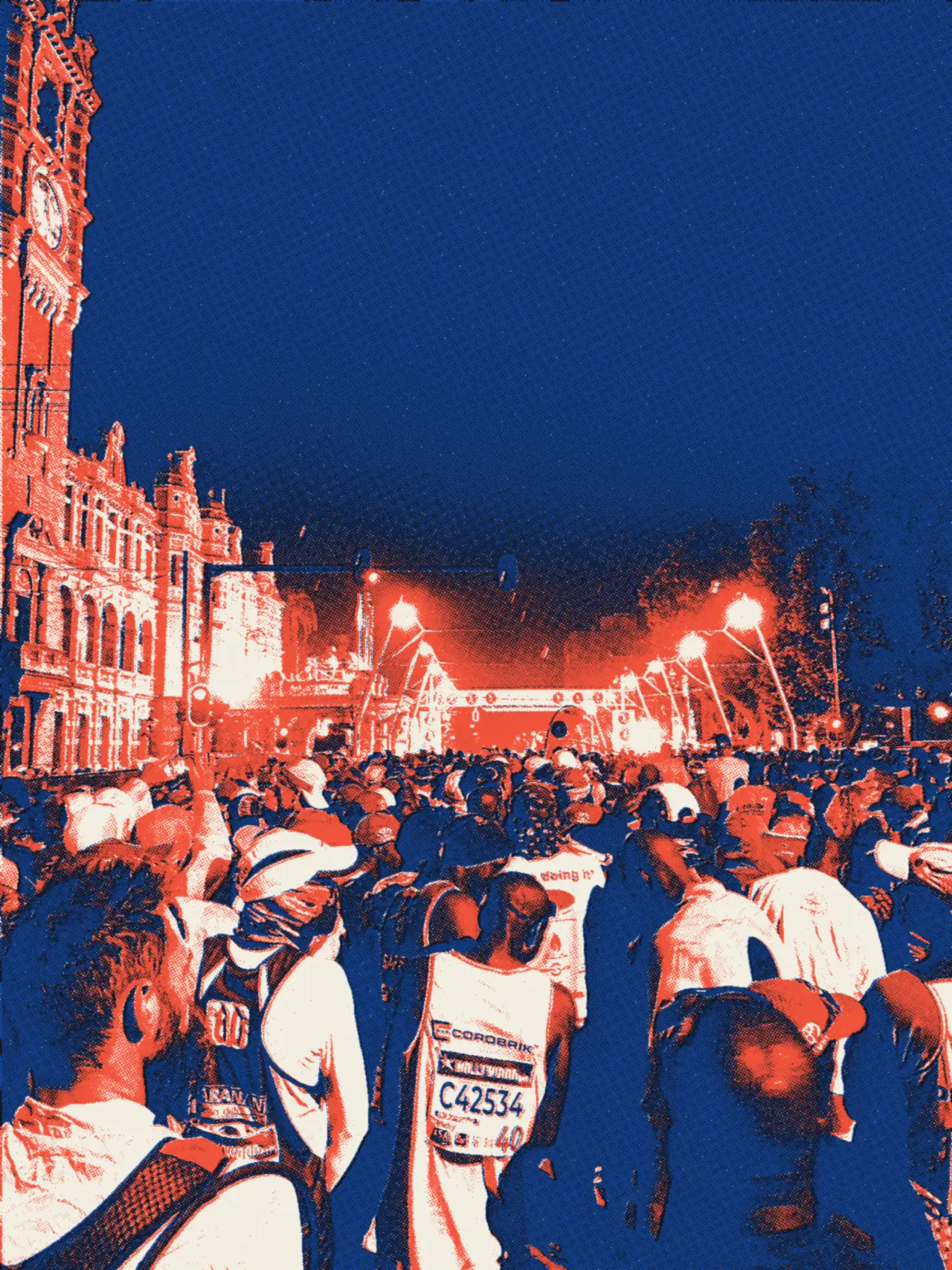
Comrades: Born From a 2,700 km March, Finished at 80
The Comrades Marathon began in 1921, when a former soldier wanted to honor his fallen comrades with a race from Pietermaritzburg to Durban. Sixteen runners finished. Sixty-seven years later, a 79-year-old man finished it too.
 No. 26
JFK 50 Mile: 50 Miles, 20 Hours and a Kennedy Challenge
JFK 50 Mile history starts in 1963, when Americans across the country try to walk 50 miles because an old military order has just been pulled out of a drawer. Almost all of those walks have been forgotten. The one in Boonsboro still runs every fall, all the way to Williamsport.
 No. 28
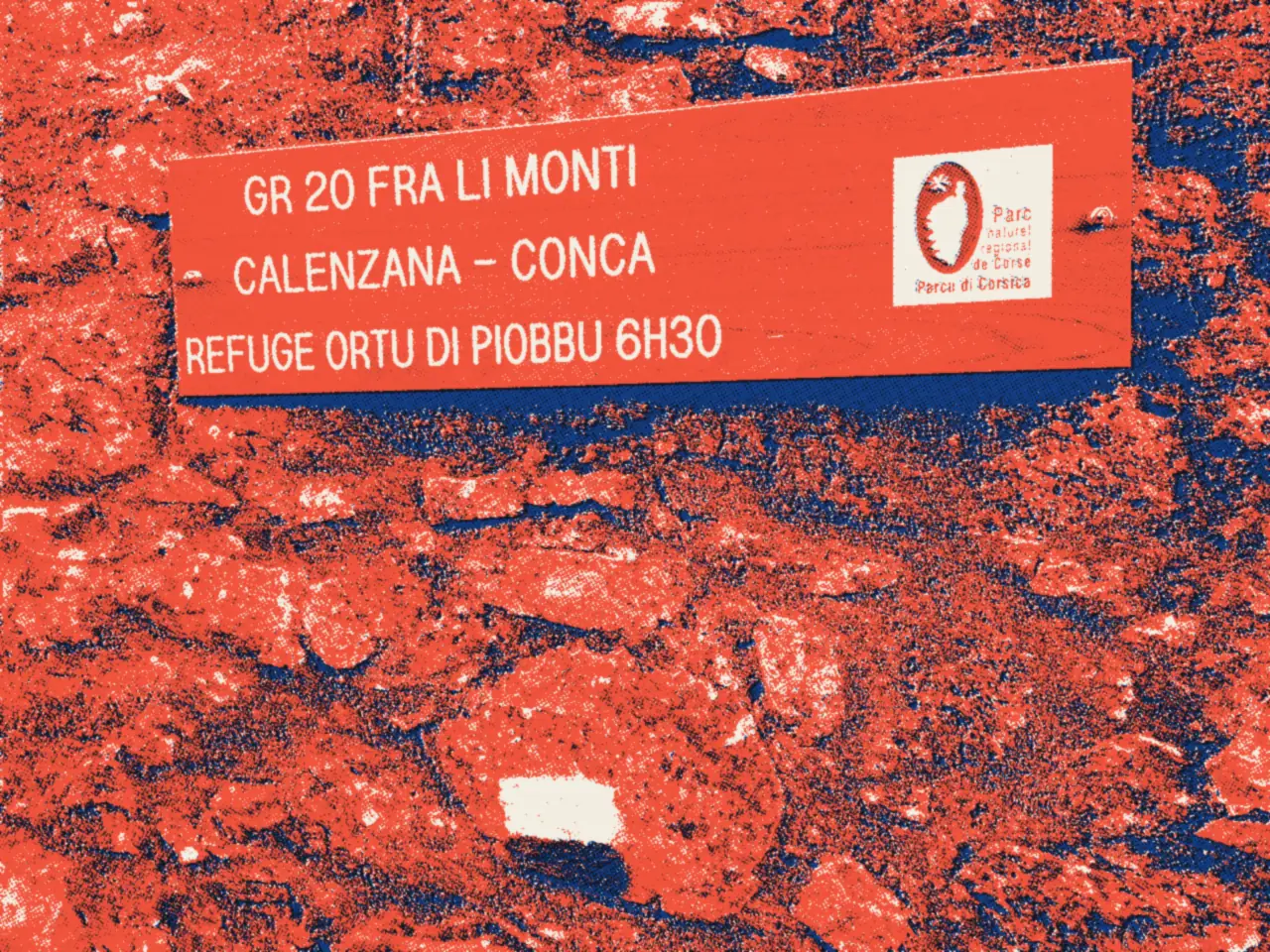
GR20: The “Hardest Trail in Europe” Falls in 27 Hours 29 Minutes
Is the GR20 the hardest trail in Europe? That is its reputation. Hikers take sixteen stages to cross Corsica on it. On September 25, 2026, Aurélien Dunand-Pallaz did it in 27:29 (27 hours 29 minutes). But who said it first?
 No. 30
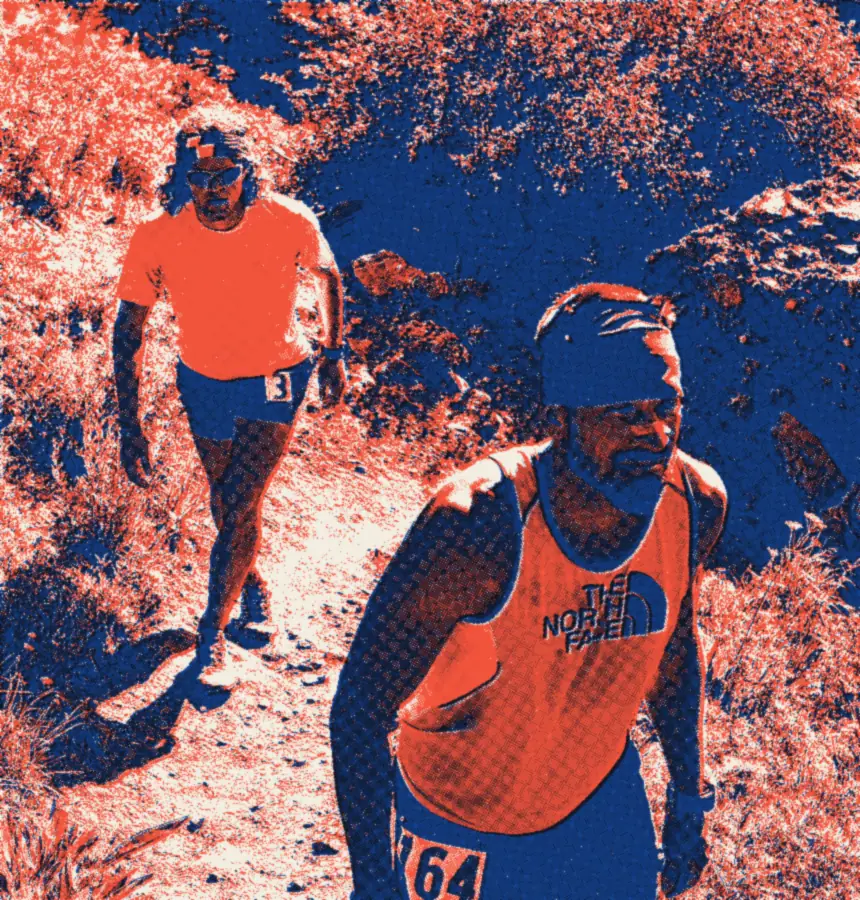
Hardrock 100: No Finish Line, Just a Rock to Kiss
At the Hardrock 100, you don't finish by crossing a line. After more than 160 km and more than 10,000 m of climbing in the San Juan Mountains, you have to kiss a rock painted with a ram's head. The race was born as a tribute to the miners.
 No. 31
Sierre-Zinal, the Race of the Five 4,000-Meter Peaks: 31 km Under the Giants
In 1974, a mathematician launches a race many people think is crazy: Sierre-Zinal, 31 km, 2,200 m of climbing. A cross-country skier beats an Olympic champion. Half a century later, the record is decided by a breath.
 No. 32
UTMB 2003: More Than 700 Starters, 67 Finishers in Chamonix
UTMB history starts in late August 2003: at 4 a.m., more than 700 runners leave Chamonix to run around Mont Blanc in one go. The organizers hadn't expected that many. Cold, rain and hail join the party, and only 67 close the loop.
 No. 33
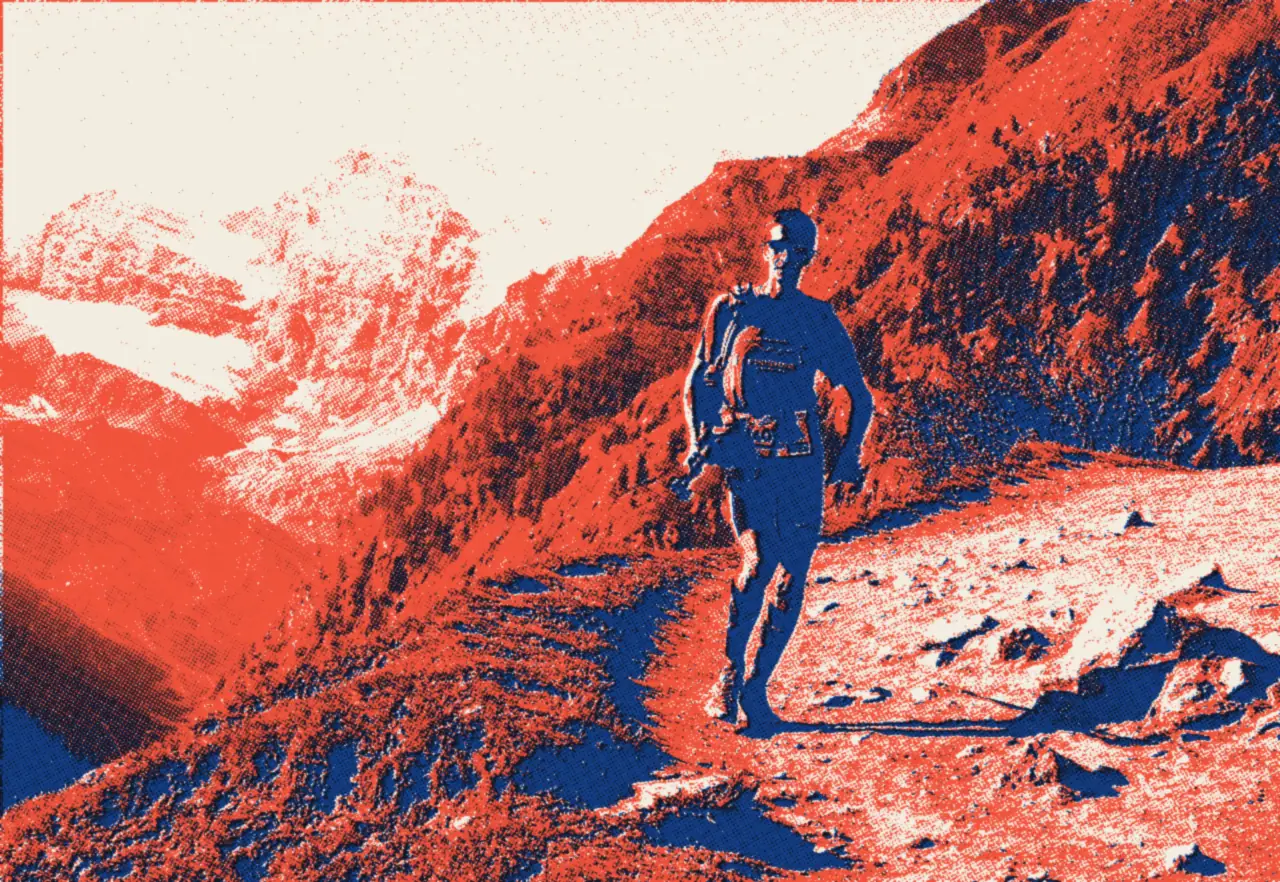
Tor des Géants: 330 km, 24,000 m, and Nobody to Tell You When to Sleep
The Tor des Géants is 330 kilometers around the Aosta Valley, 24,000 meters of climbing, and 150 hours at most. And nobody to tell you when to sleep: it is up to you to choose what you sacrifice.
 No. 35
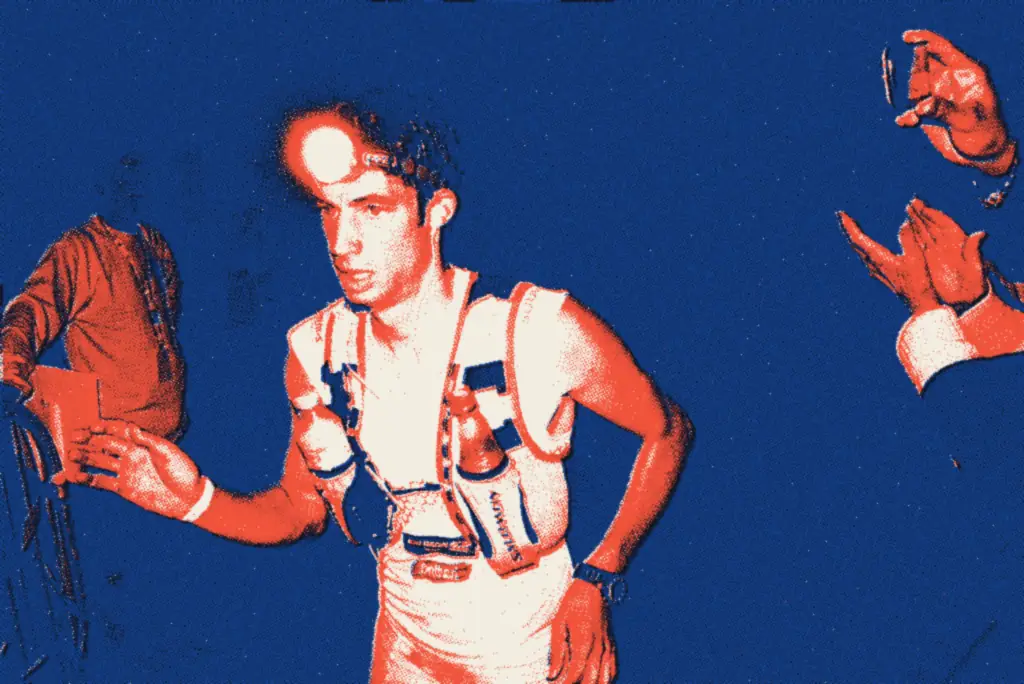
Diagonale des Fous: 112 km in 1989, 180 km today
A former mountain police officer, 500 to 550 walkers, 112 km. In 1989 the “Marche des Cimes” crosses Réunion from north to south. Thirty-seven years later, the Diagonale des Fous is 180 km, in the opposite direction.
Cycling
Climbs, cheats and Tour legends
 No. 08
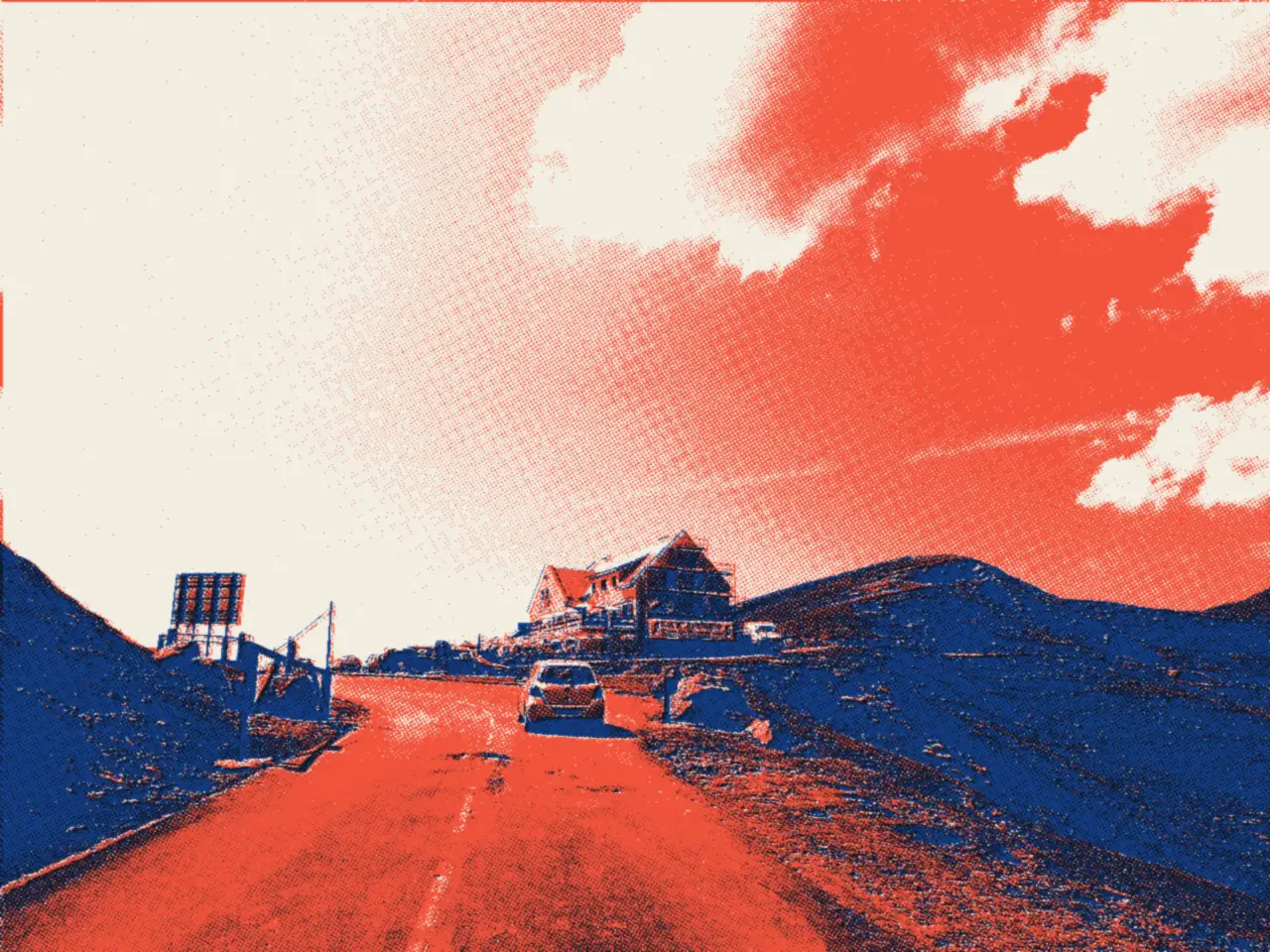
“You Are Murderers!”: The Day the Tour de France Discovered the Pyrenees
July 1910: the Tour de France takes on the Pyrenees for the first time, and the Tourmalet is the big one. Octave Lapize, at the end of his strength, throws a phrase at the organizers that history never forgot. Even if nobody agrees on the exact words.
 No. 09
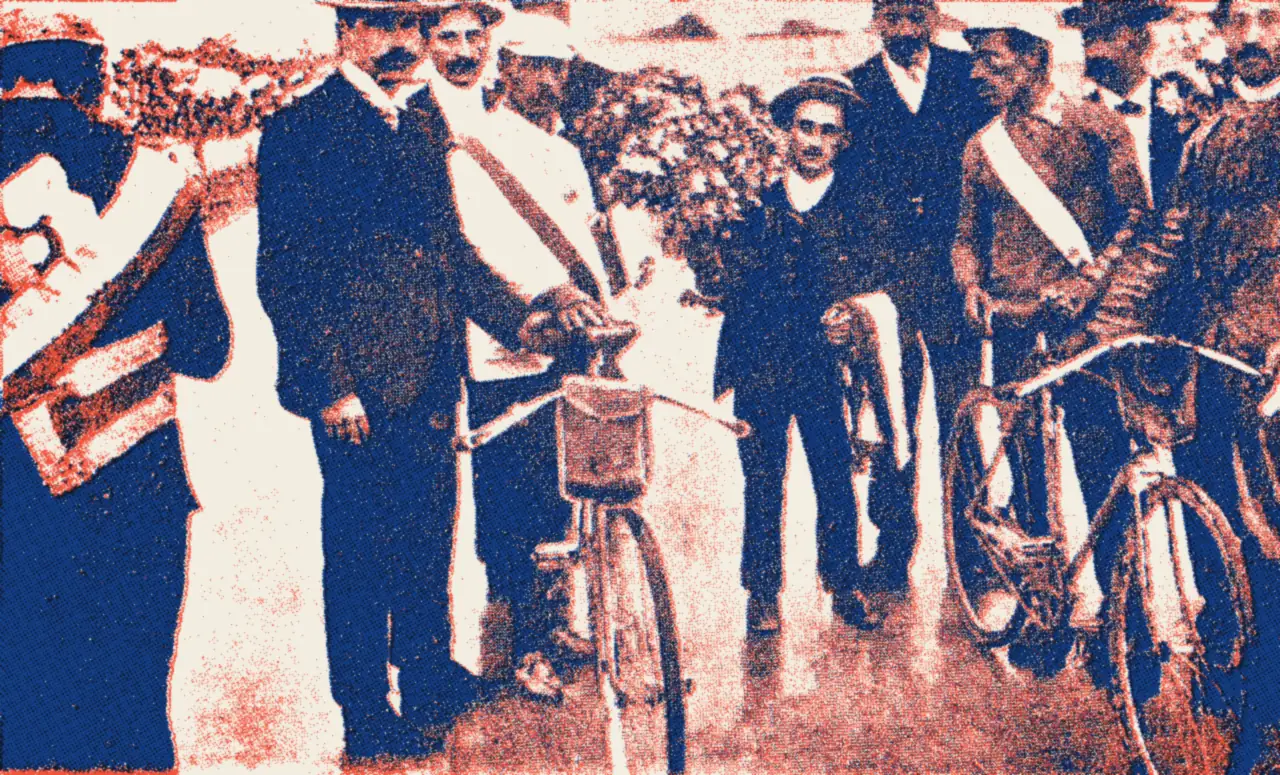
Tour de France 1904: Trains, Nails and Disqualified Riders
The Tour de France 1904 scandal in a line: second edition, July 1904, and everything that could go wrong did. The top four finishers were disqualified, and a 19-year-old kid inherited the win.
 No. 10
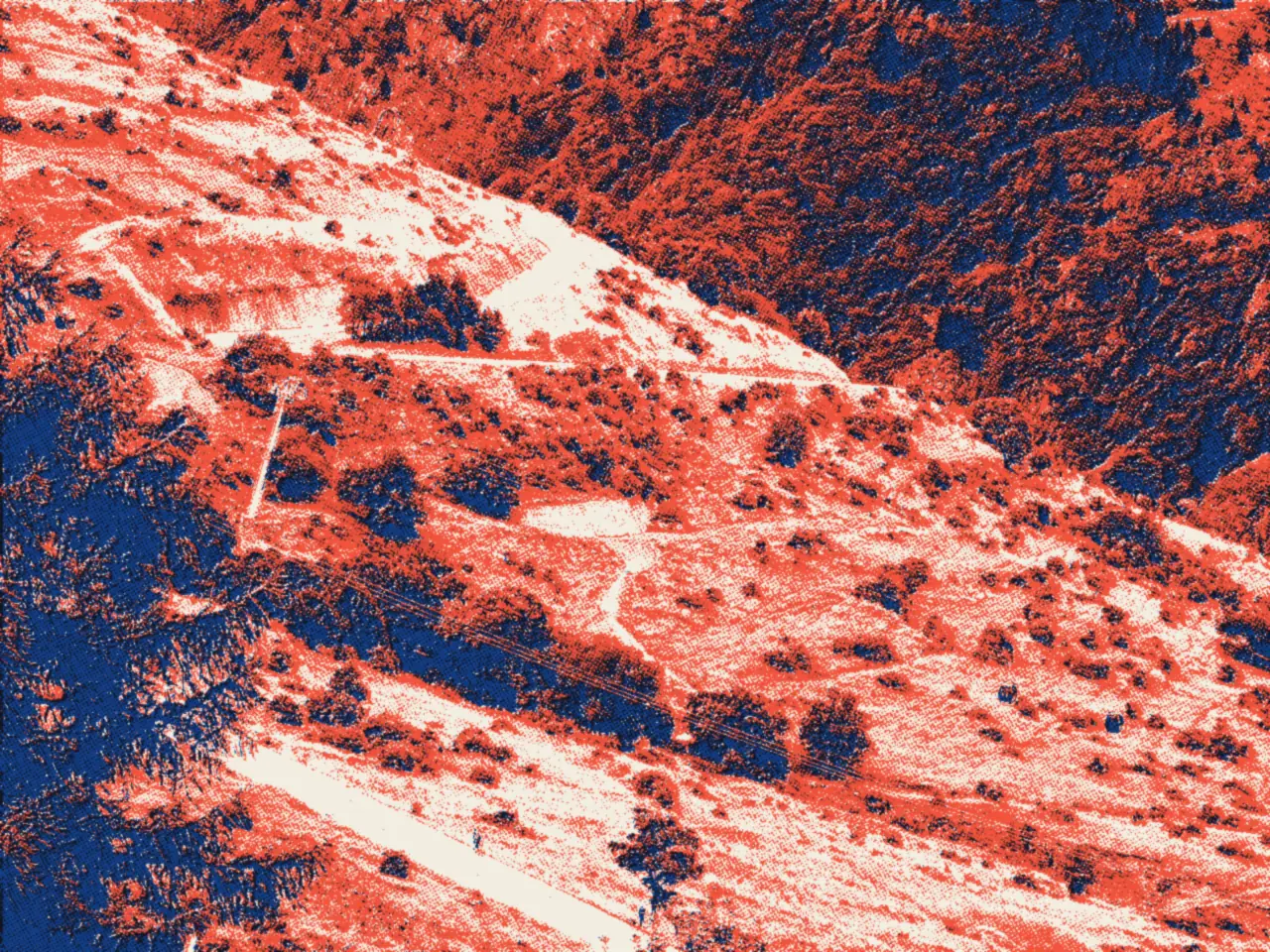
Alpe d'Huez: 21 Hairpins, 21 Names
Alpe d'Huez has 21 hairpins, and each one carries the name of a rider who won up there. The catch: there have been more winners than bends. So everybody had to squeeze in.
 No. 14
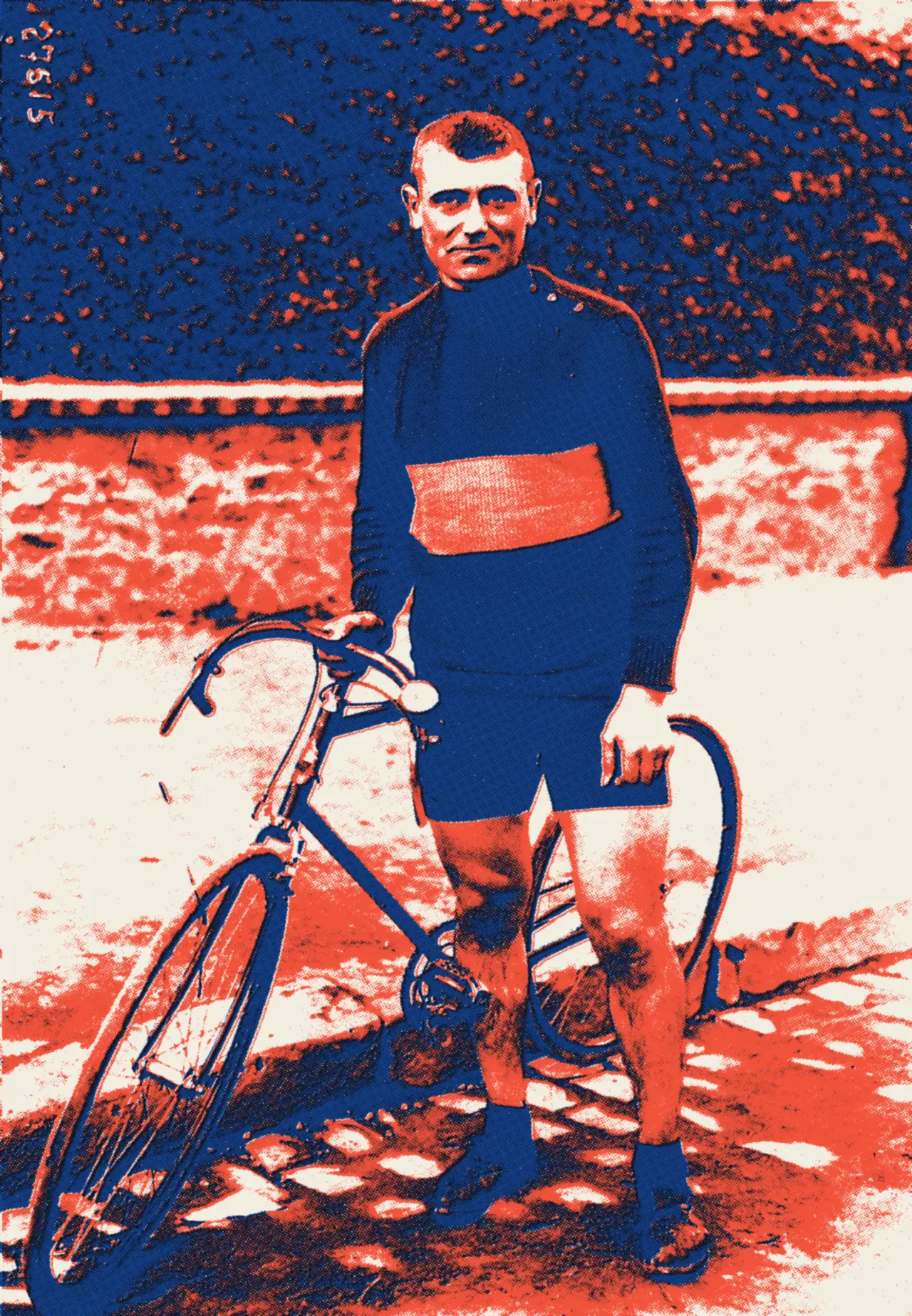
Tour de France 1913: Eugène Christophe's Broken Fork, Mended in a Forge
July 9, 1913, in the Pyrenees. Eugène Christophe is the virtual leader of the Tour when his fork snaps on the descent of the Tourmalet. The rules forbid any help: he will have to walk, forge, and pay in minutes for a kid's helping hand.
 No. 22
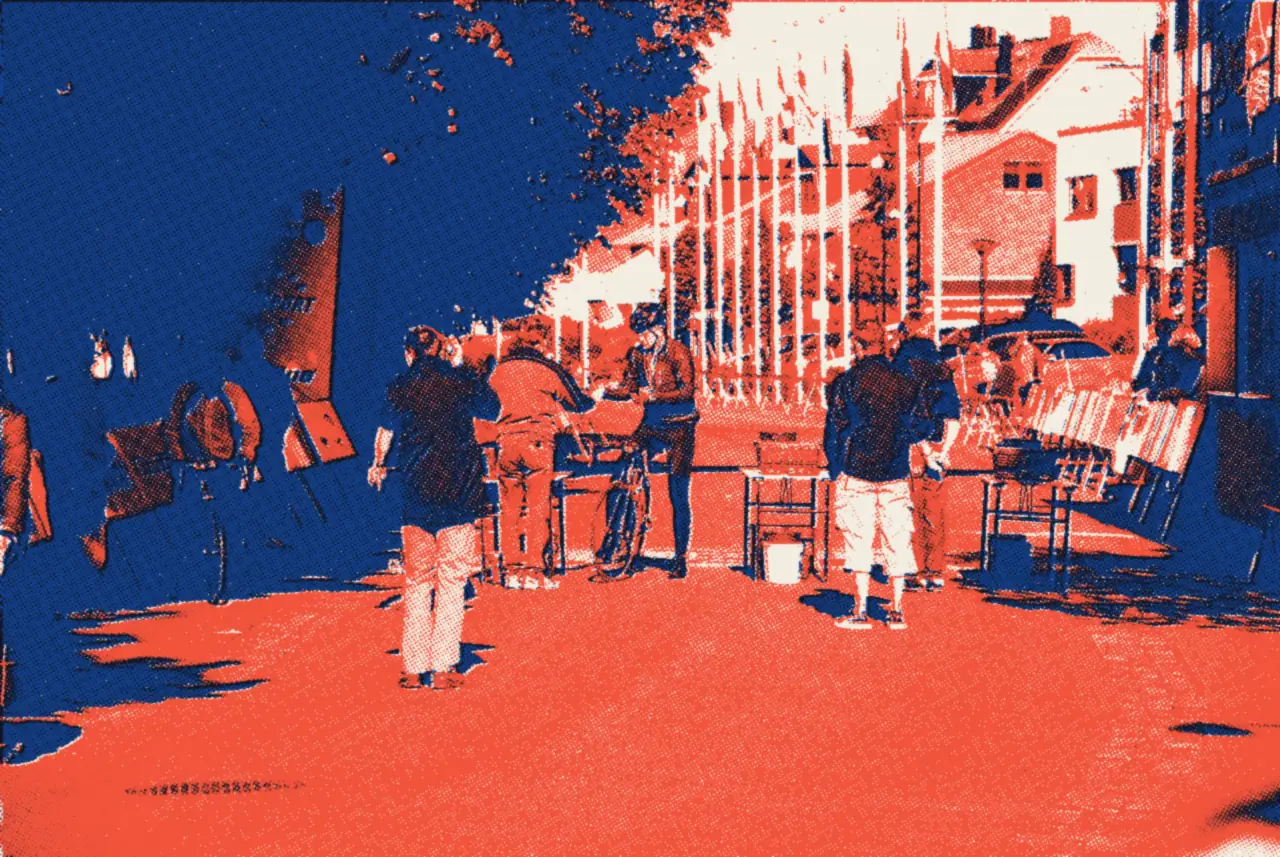
Vätternrundan: 300 km Around a Swedish Lake, Starting at Night
On a Friday evening in June, thousands of cyclists set off in waves, one every 2 minutes, to ride around a Swedish lake. Behind the Vätternrundan, the world's largest recreational cycling event according to its organizers: a doctor, a bike shop owner and 22 hr 30 min in the saddle.
 No. 36
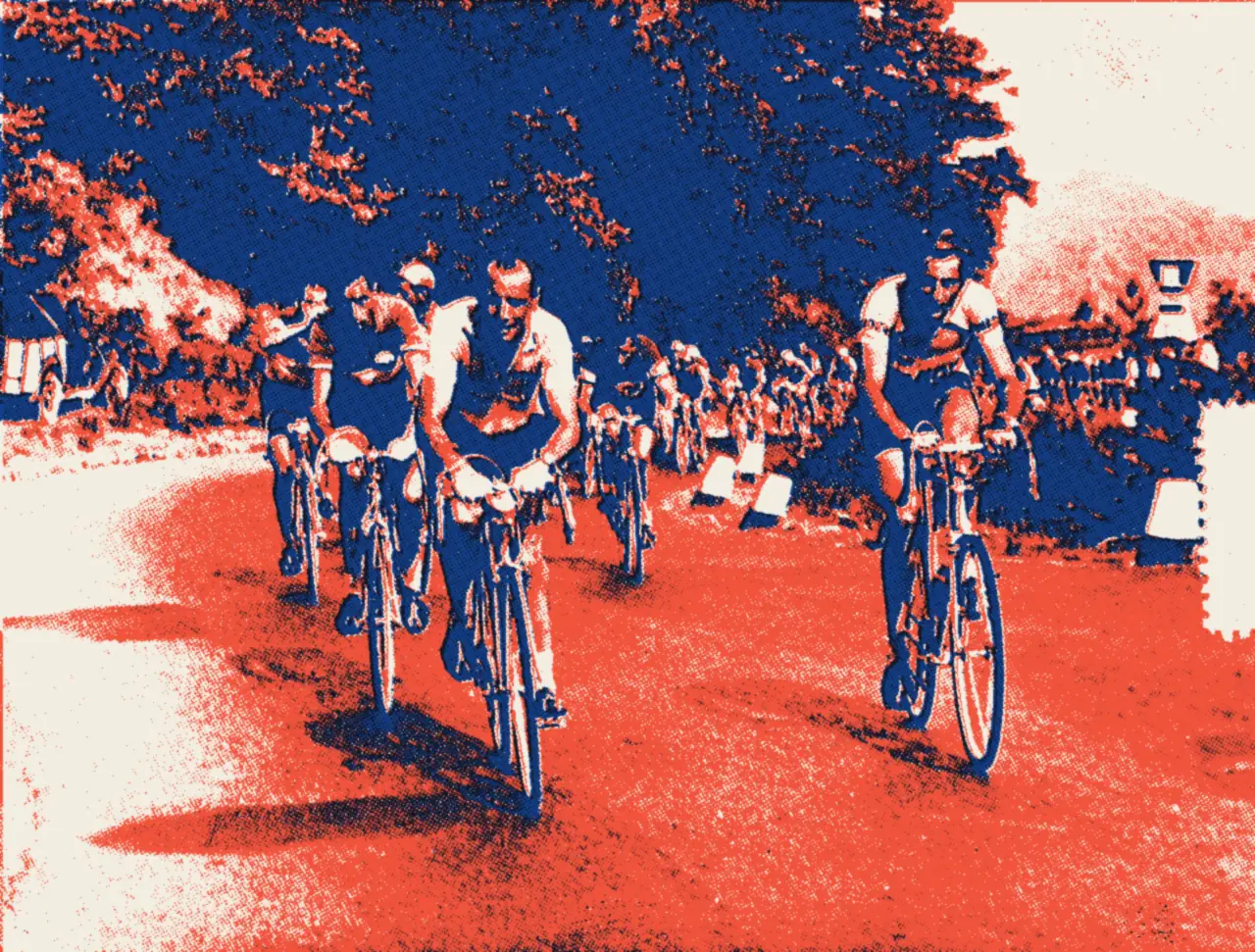
Stelvio 1953: Coppi Overturns Koblet and Wins His Giro
On June 1, 1953, the Giro climbs the Stelvio for the first time. Fausto Coppi is chasing Hugo Koblet's pink jersey. At the finish in Bormio, he is the one wearing it, after a day in which the promise attributed to him went up in smoke.
 No. 37
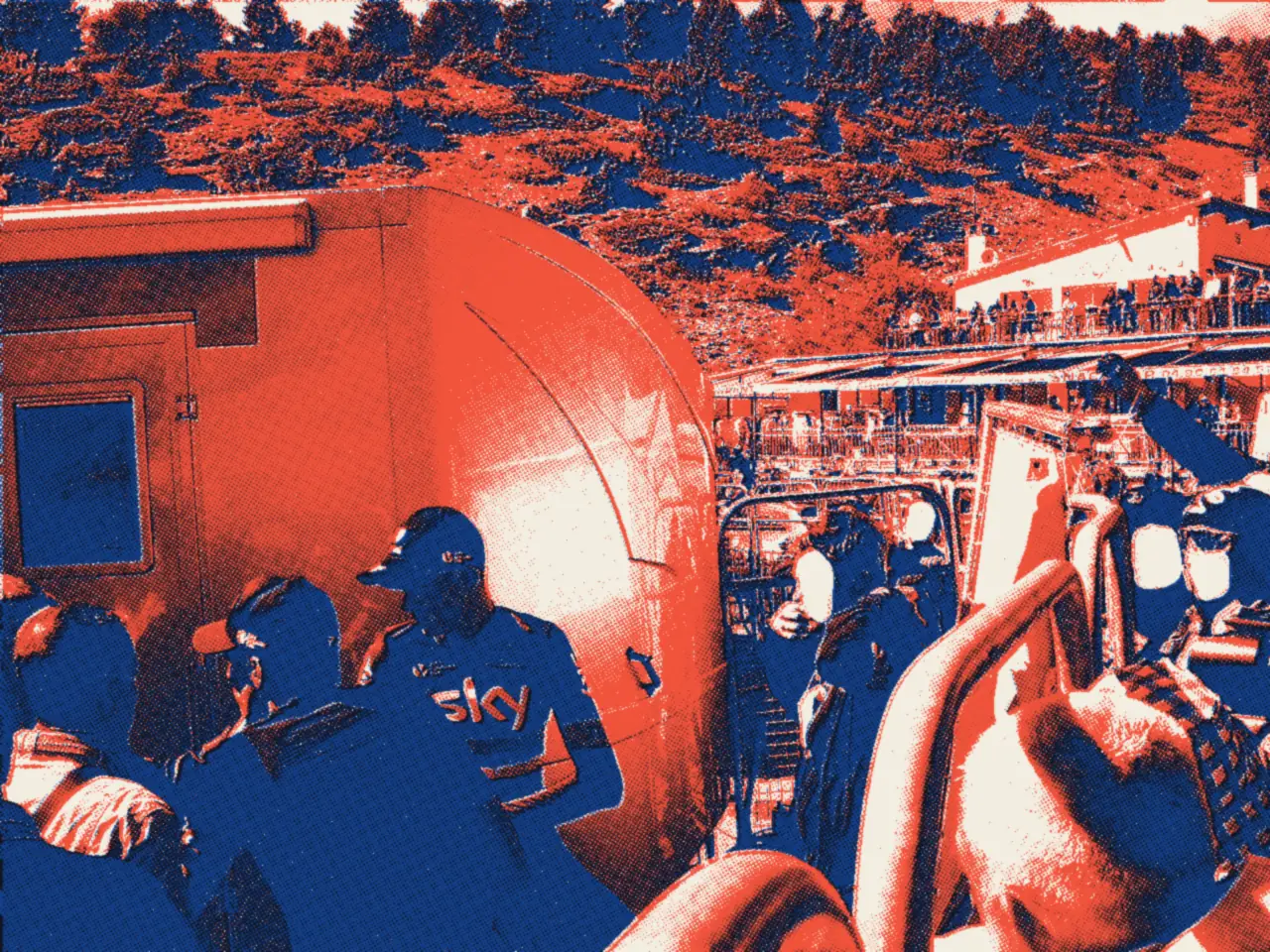
Froome Running Up Mont Ventoux: A Yellow Jersey With No Bike
On July 14, 2016, the yellow jersey of the Tour de France is running up Mont Ventoux on foot, his bike wrecked after a crash caused by a motorbike. Froome running on Mont Ventoux then forces the jury to decide whether a rider can lose a Tour because of a motorbike stopped in the wrong place.
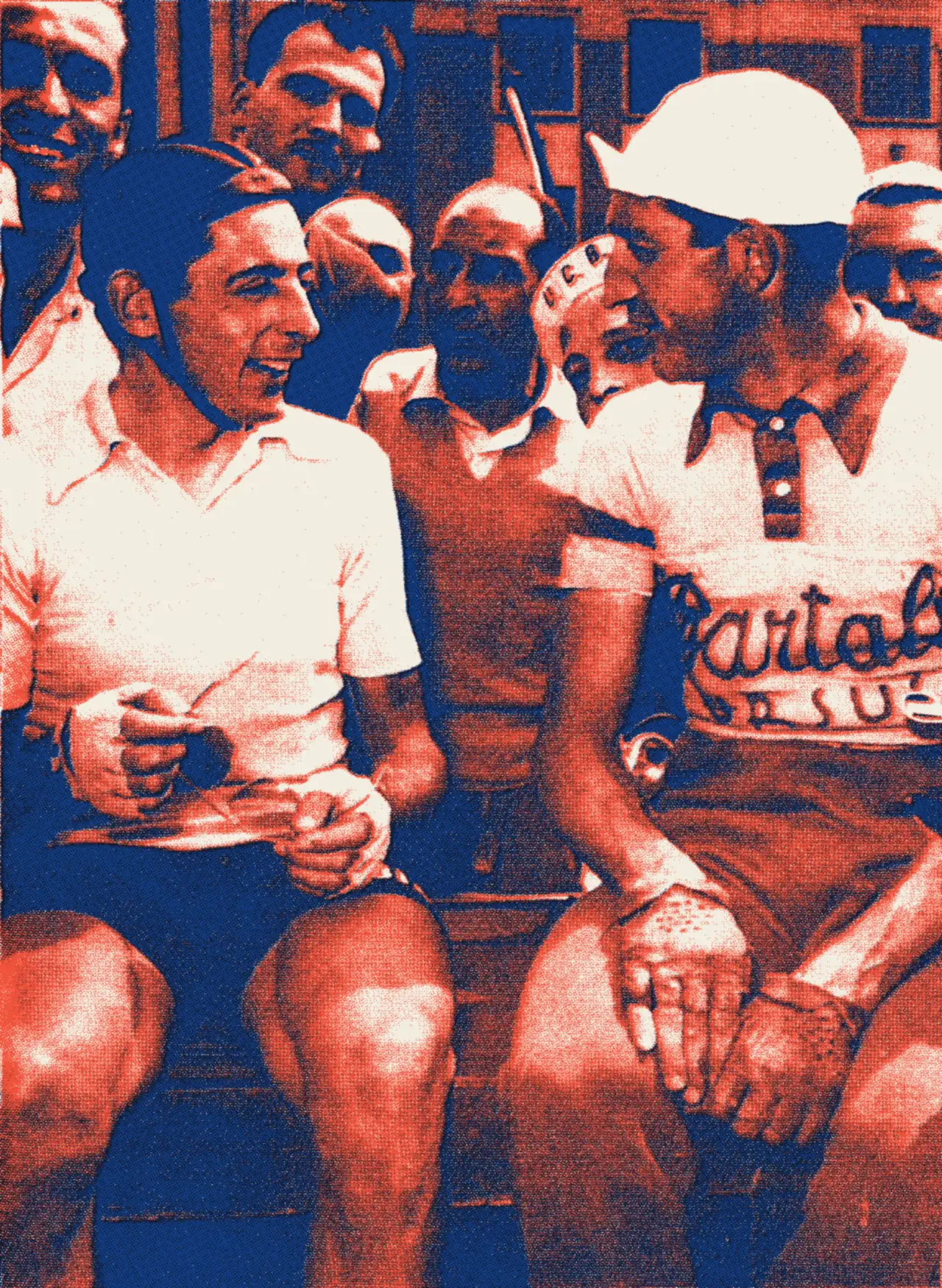 No. 38
The Coppi and Bartali Bottle: Who Hands What to Whom?
Who handed the bottle to whom in the famous Coppi Bartali bottle photo? Two rivals, an Alpine climb, a bottle changing hands. More than seventy years later, nobody has established who gives, who receives, or even whether the scene was spontaneous.
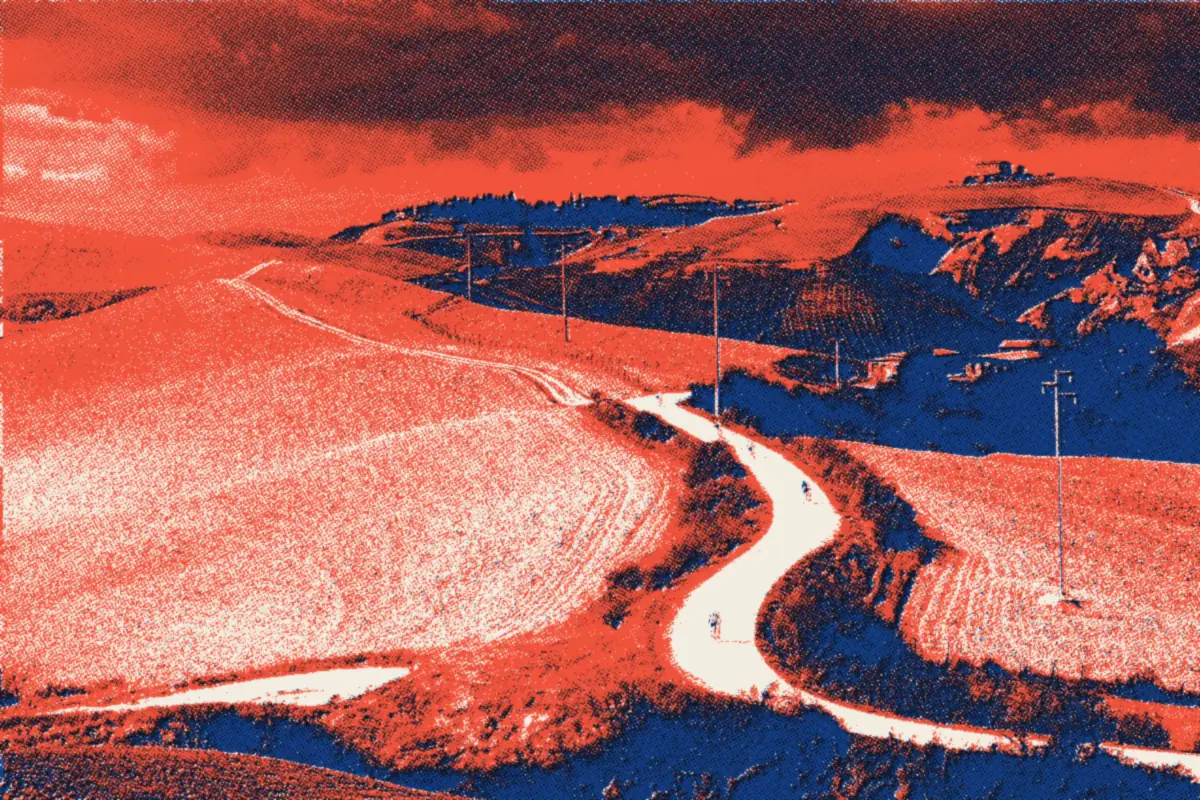 No. 50
L'Eroica: Bikes From 1987 or Earlier, on the White Roads of Tuscany
In 1997, 92 cyclists set off from Gaiole in Chianti, Tuscany, to ride white gravel roads. Giancarlo Brocci launched it as a bonus for amateurs. L'Eroica, the vintage bike race, has since become a party of more than 9,000 cyclists, and a way to defend roads of white dust.
Wild races
Wine, horses and humans
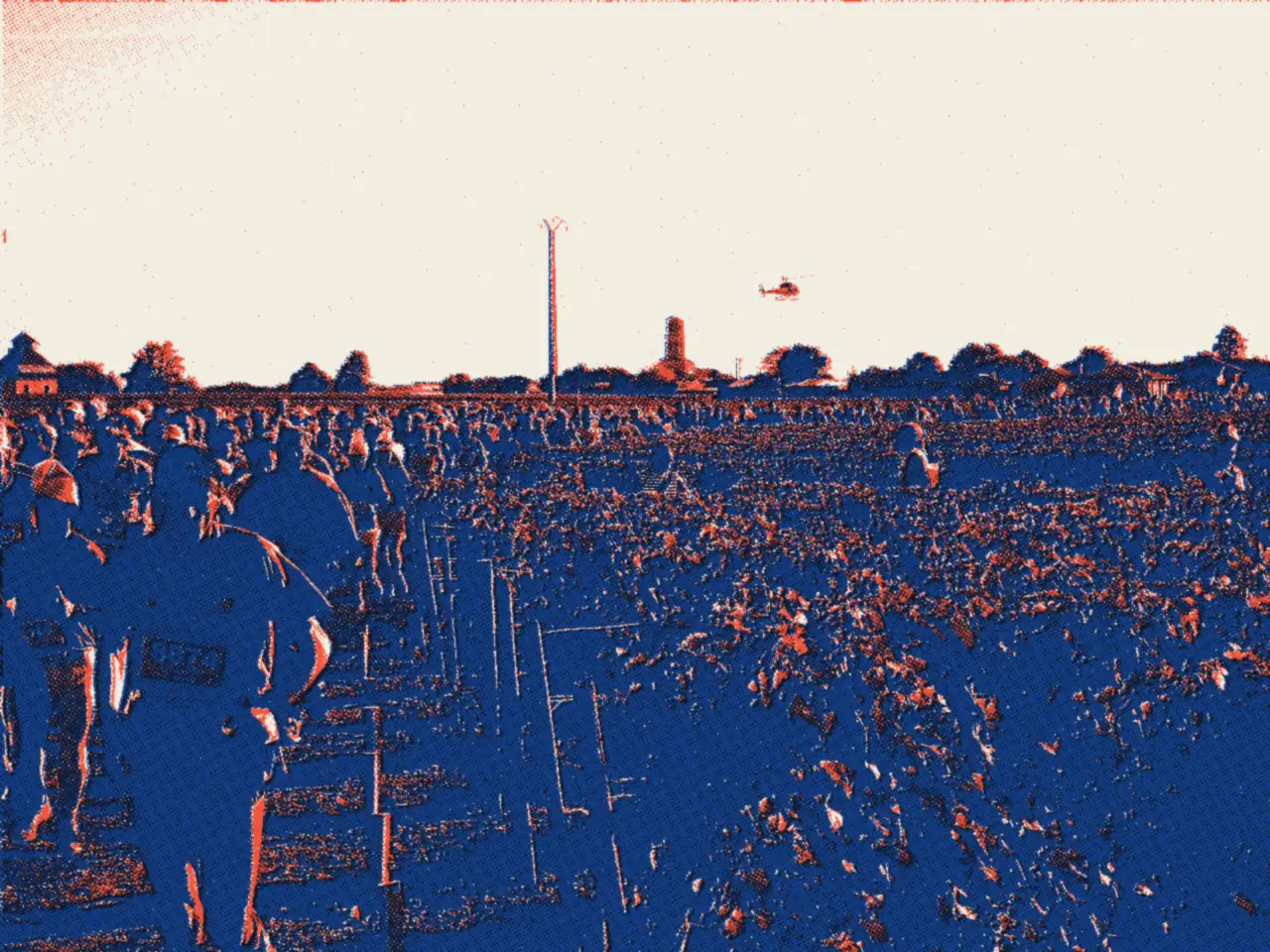 No. 11
Médoc Marathon: The World's Longest Marathon, Where the Aid Station Serves Wine
Around 20 grand cru tastings, oysters, a steak, and almost the whole field in costume. At the Médoc Marathon, the 42.195 km are real, but the finish time comes second to everything else.
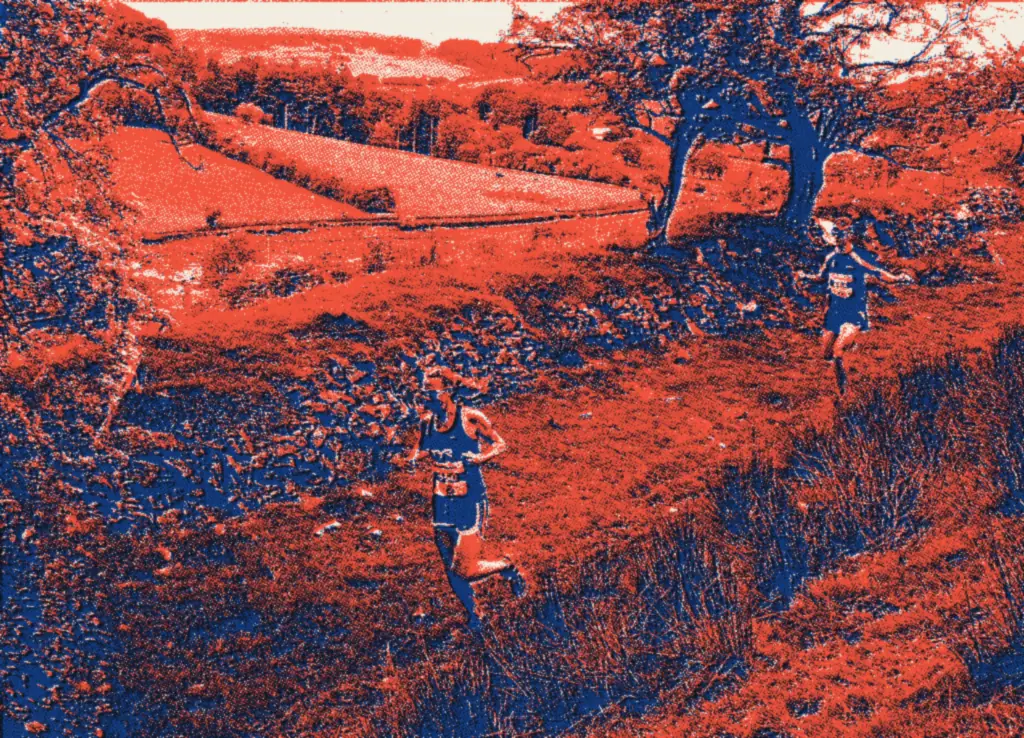 No. 12
Man vs Horse: The Welsh Race Where a Human Has Actually Won
The Man vs Horse Marathon in Wales has pitted runners against horses since 1980. For 24 editions, the horses won. Then a guy in shorts won.
 No. 16
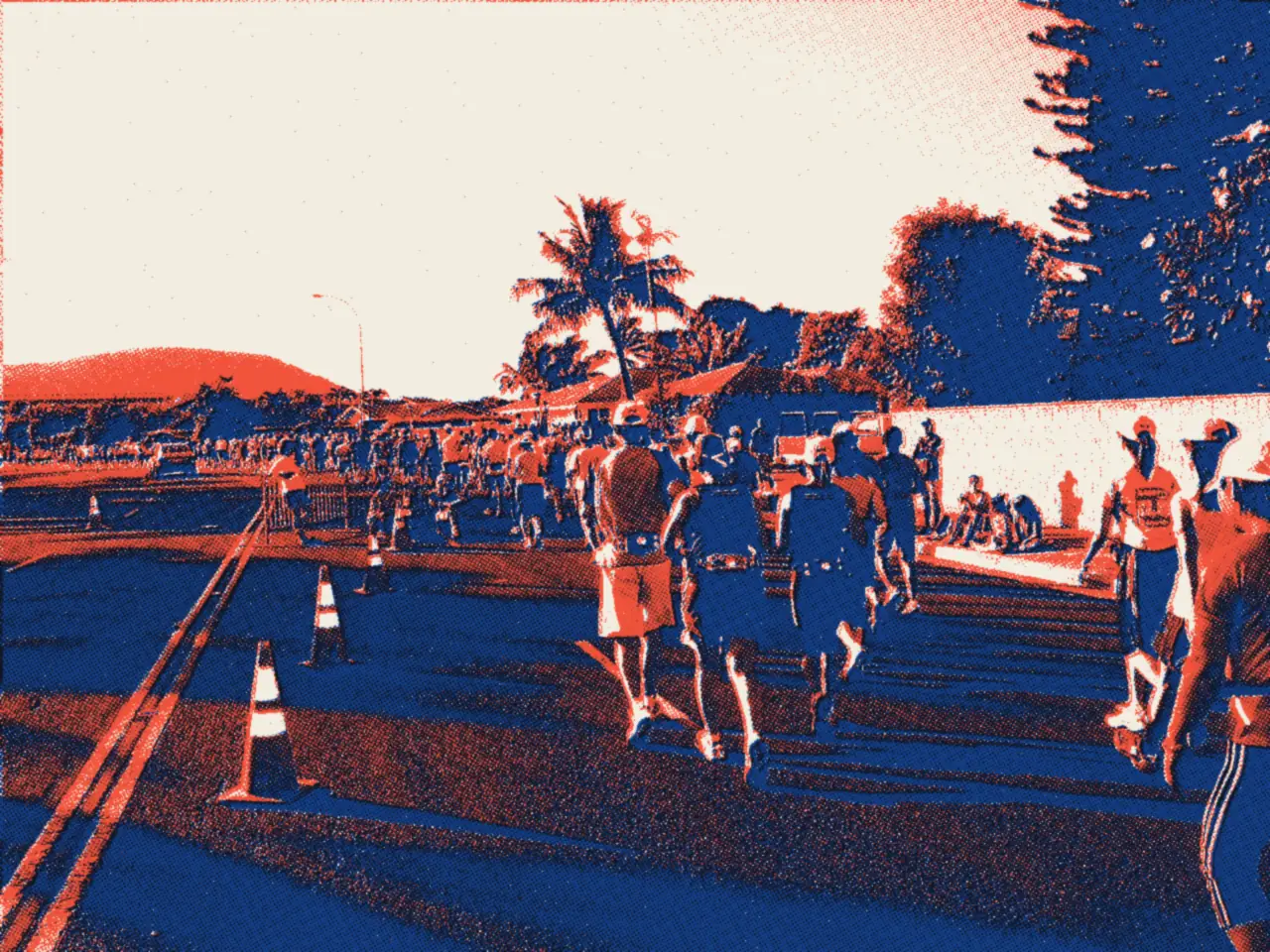
Honolulu Marathon: The Race With No Time Limit, Born of a Cardiologist's Bet
In many marathons, a cutoff time sweeps away the last runners. At the Honolulu Marathon there is no time limit: nobody closes the finish line. The race was born in 1973 from a cardiologist's bet: get damaged hearts running.
 No. 21
Bay to Breakers: Salmon, Tortillas and 110,000 Runners
At the start, people throw tortillas. On the course, salmon swim upstream and teams of 13 runners move tied together. Here is the Bay to Breakers history: it began as a serious race.
 No. 23
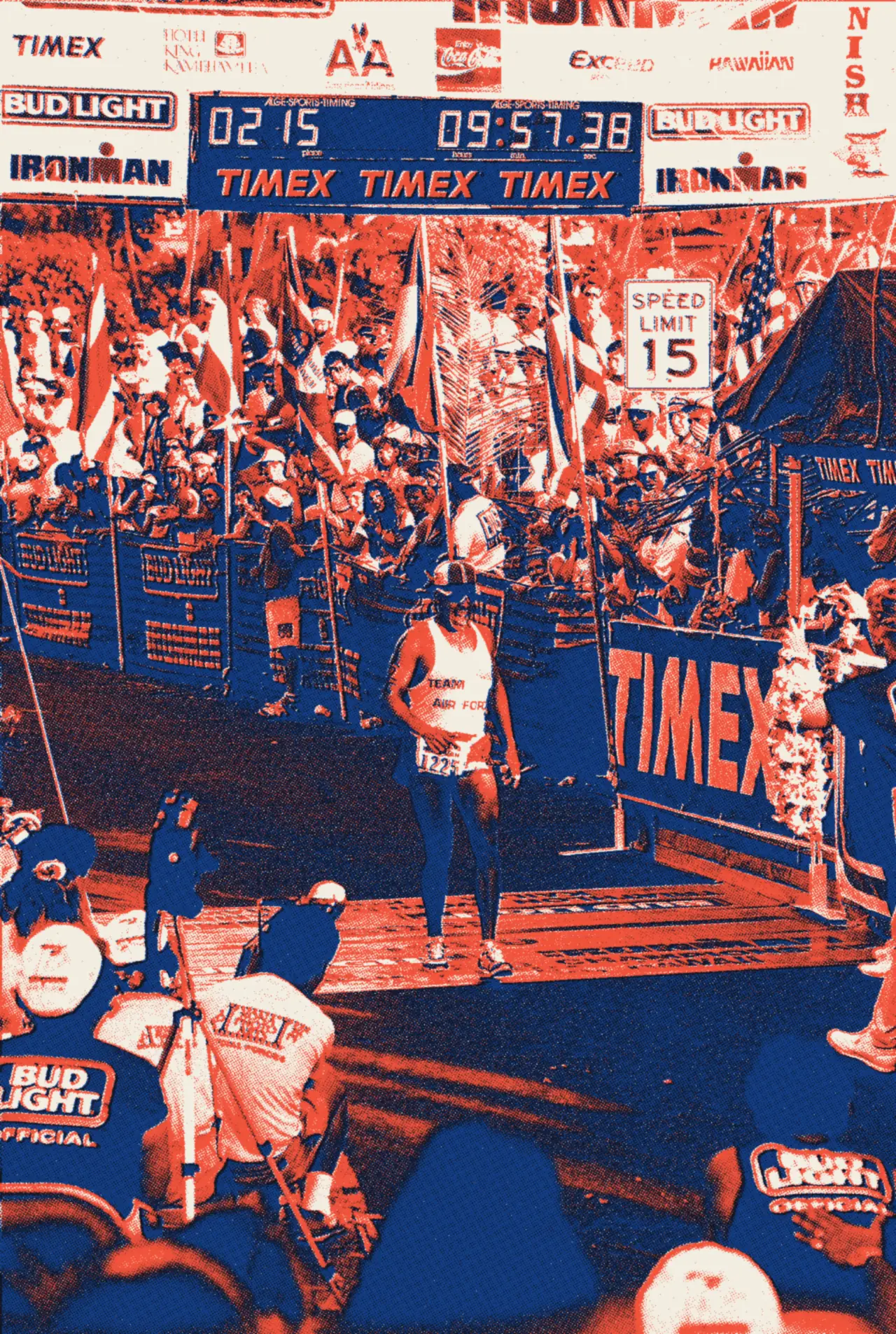
Ironman 1978: A Bet Made at an Awards Banquet, 15 Starters
Ironman history starts with a debate between runners and swimmers at a race awards banquet in Hawaii. In February 1978, 15 competitors plunge into the water at Waikiki to settle it. 12 make it to the end, and the first one will be called the “Iron Man.”
 No. 24
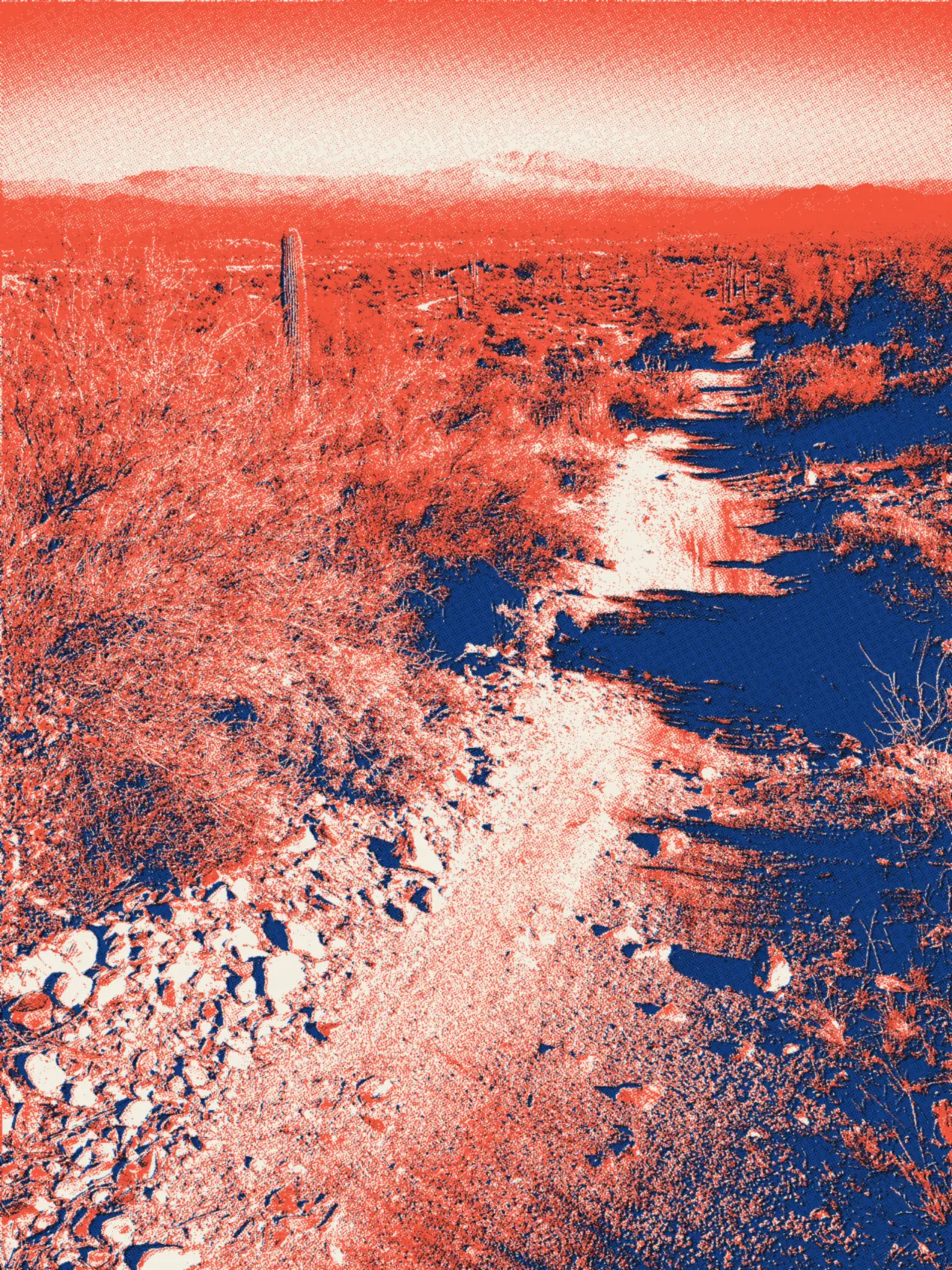
Javelina Jundred: 100 Miles in Loops, Dressed Up for Halloween
In Arizona, hundreds of runners cover 100 miles by running in circles, often in costume. Around Halloween, the desert turns into a 30-hour party. Welcome to the Javelina Jundred.
 No. 48
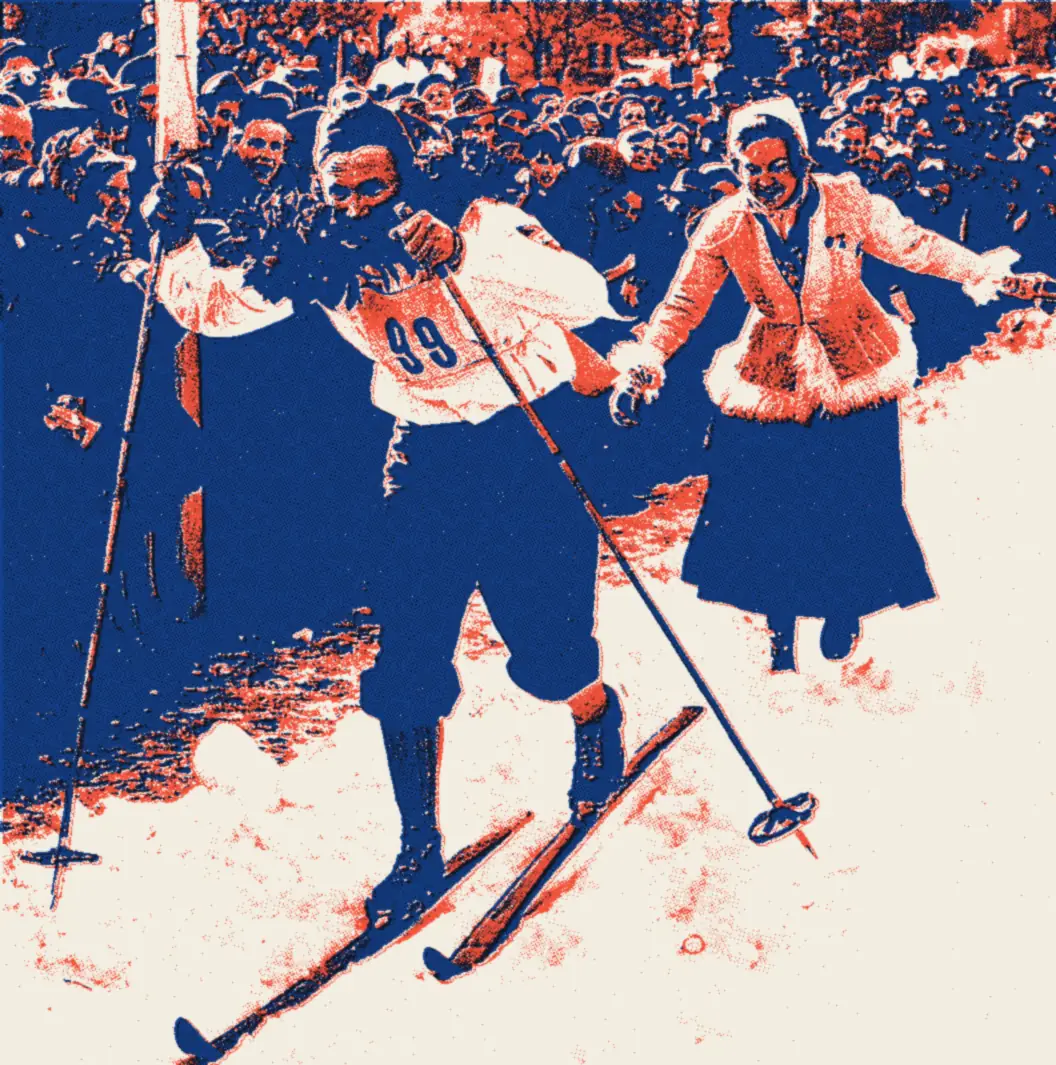
Vasaloppet: 90 km on Skis in the (Supposed) Footsteps of a King
A tradition says that in early 1521, skiers from Mora caught up near Sälen with a fugitive named Gustav Vasa, to bring him back to lead a revolt. Four centuries later, a journalist turned it into a race. It is still run, with blueberry soup. That is the short version of Vasaloppet history.
 No. 49
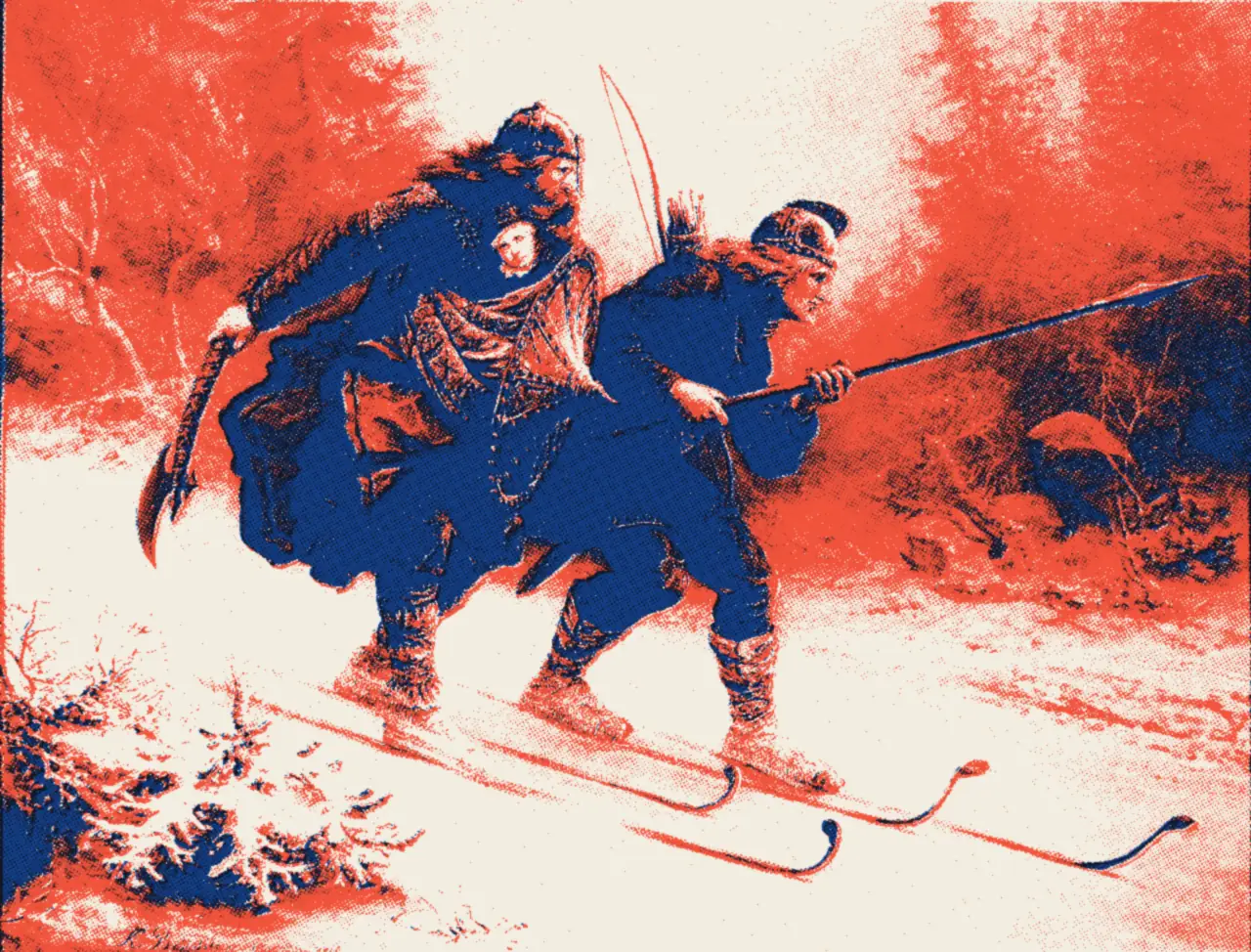
Birkebeinerrennet: A Backpack in Memory of a Baby King
Birkebeiner history starts in the winter of 1206, in Norway: two skiers cross the mountains carrying a child who will become king. Since 1932, thousands of skiers have retraced the crossing with a pack on their back, in memory of that child. It weighed 5.5 kg, then 3.5 kg. For 2027, it will be 2 kg.
Your race has a story too
Your name, your time, your route: a poster of your race, so you never forget what you did.