Vätternrundan: 300 km Around a Swedish Lake, Starting at Night
On a Friday evening in June, thousands of cyclists set off in waves, one every 2 minutes, to ride around a Swedish lake. Behind the Vätternrundan, the world's largest recreational cycling event according to its organizers: a doctor, a bike shop owner and 22 hr 30 min in the saddle.
By the PacePoster desk · · 3 min · 8 sources
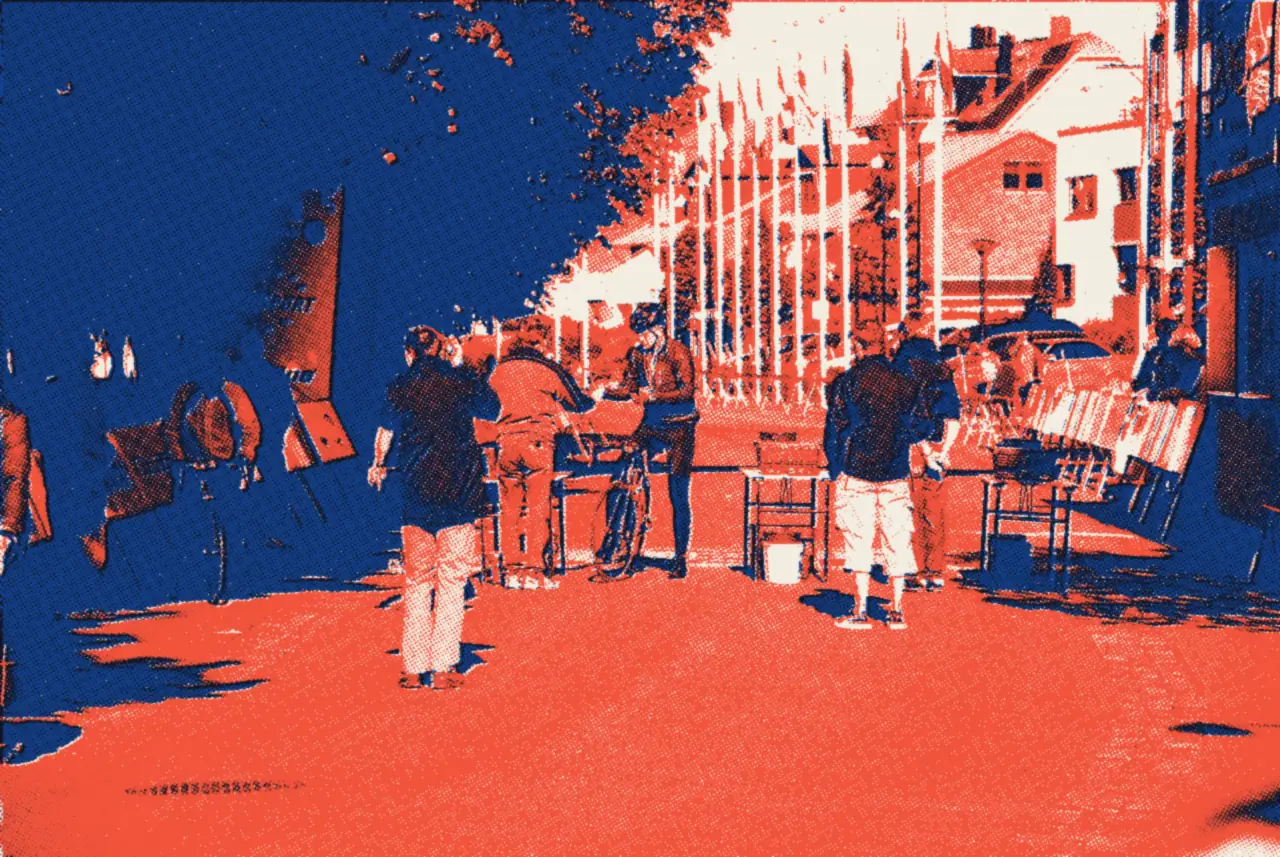
01A doctor walks into a bike shop
In August 1964, in Motala, Professor Sten-Otto Liljedahl, a sports physician, pushes open the door of the Rydell brothers' bike shop. He suggests to Ewert Rydell that they ride around Lake Vättern. They set off two days later, in bad weather. They are back in Motala after 22 hr 30 min in the saddle. Almost a full turn of the clock.
02A Christmas card
The organizers tell the rest. On June 23, 1965, a second attempt, with four more cyclists. At Christmas, Liljedahl sends Rydell a card asking him to turn the idea into a real event. The first Vätternrundan starts on June 17, 1966. The official timeline counts 344 starters, six of them women, and 334 finishers. The En Svensk Klassiker site sums it up as a little over 300 riders. A pretty good greeting card.
What I love most with Vätternrundan is to bike in middle of the summer night
03Vätternrundan starts at night, wave after wave
This is not a single-peloton event. Cyclists leave in groups, one every 2 minutes, from Friday evening into Saturday morning. In 2008, according to BikeRadar, the first riders set off at 8 p.m., in groups of 50, and the last at 5 a.m. The elite riders start at 4:30 a.m. and finish the lap in about 7 hr 30 min. In 2017, regional broadcaster SVT notes a first start at 7:30 p.m.
The earliest starters watch the sun set and rise over the lake, notes En Svensk Klassiker. “What I love most with Vätternrundan is to bike in middle of the summer night. It is quiet and dark, but still warm,” Gudrun Johansson, a nurse from Gothenburg, told BikeRadar in 2008.
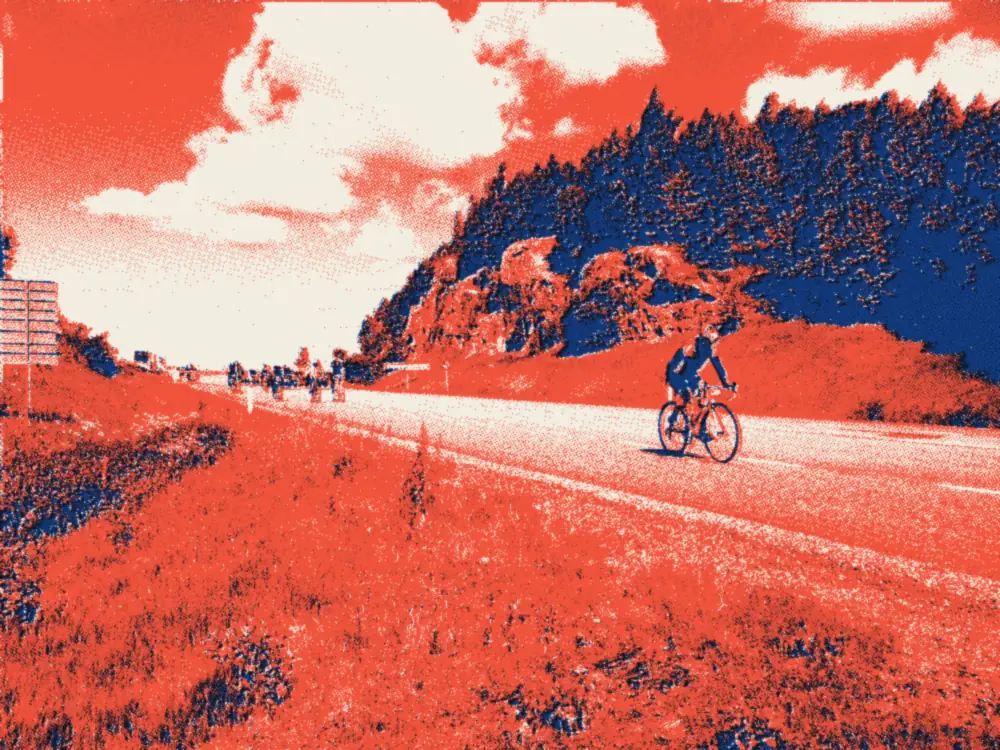
04The world's largest?
That is the organizer talking: the Vätternrundan is the “world's largest recreational cycling event.” The numbers are dizzying, but they shift from year to year. In 2008, 15,205 cyclists complete the lap, a record at the time (15,945 starters, according to BikeRadar). In 2017, SVT counts about 23,000 entrants from more than 60 countries, about 20,000 of them on the 300 km.
With the week's other events, the organizers announce around 30,000 participants a year and 4,000 volunteers. The lap is no longer quite 300 km, by the way: the organizers' site now says 315 km.
05The 1966 regular
Who has done every edition since the start? In 2016, the organizers count two, Stig Johansson and Lars-Åke Åkerman; SVT still names both in 2017. Today the organizers name just one: Stig Johansson, from Fagersanna, who completes his 60th lap in 2025, according to them. He knows that finish line by heart.
Sources for this story (8)
Every fact was cross-checked in at least two independent sources. Where they disagree, the story says so.
- Organization and history — Vätternrundan (organisateur, version anglaise)
- Organisation — Vätternrundan (organisateur, version suédoise)
- Our story — Vätternrundan (chronologie officielle)
- Vätternrundan — En Svensk Klassiker
- Over 15,000 take part in 300km Vätternrundan — BikeRadar (Erik Wickström, 2008)
- OS-guldmedaljör i årets Vätternrunda — SVT Öst (2017)
- World's largest recreational ride — Bike Friday (blog, 2011)
- API Wikimedia Commons — Vätternrundan finish 2008.jpg et Vätternrundan 2013.jpg
Read next
The whole journal → No. 36
Stelvio 1953: Coppi Overturns Koblet and Wins His Giro
On June 1, 1953, the Giro climbs the Stelvio for the first time. Fausto Coppi is chasing Hugo Koblet's pink jersey. At the finish in Bormio, he is the one wearing it, after a day in which the promise attributed to him went up in smoke.
 No. 37
Froome Running Up Mont Ventoux: A Yellow Jersey With No Bike
On July 14, 2016, the yellow jersey of the Tour de France is running up Mont Ventoux on foot, his bike wrecked after a crash caused by a motorbike. Froome running on Mont Ventoux then forces the jury to decide whether a rider can lose a Tour because of a motorbike stopped in the wrong place.