Why Is a Marathon 26.2 Miles? Dorando Pietri, London 1908
Why is a marathon 26.2 miles (42.195 km)? Because of London, 1908: about 26 miles to the stadium, then 385 yards on the track to the royal box. That day, an exhausted Italian crosses the line first... and loses the win. His race ended up giving the marathon its final length.
By the PacePoster desk · · 3 min · 17 sources
01A start at Windsor Castle
On July 24, 1908, more than 50 runners from 16 nations set off from a lawn at Windsor Castle. They have to reach the White City stadium in London and stop in front of the royal box: the full marathon distance. South Africa's Charles Hefferon leads from the 15th mile. By the 20th, he has several minutes on Dorando Pietri, and the race is now a three-way fight, with the American Johnny Hayes. In the last couple of miles, the Italian goes into the lead.
02The wrong way round
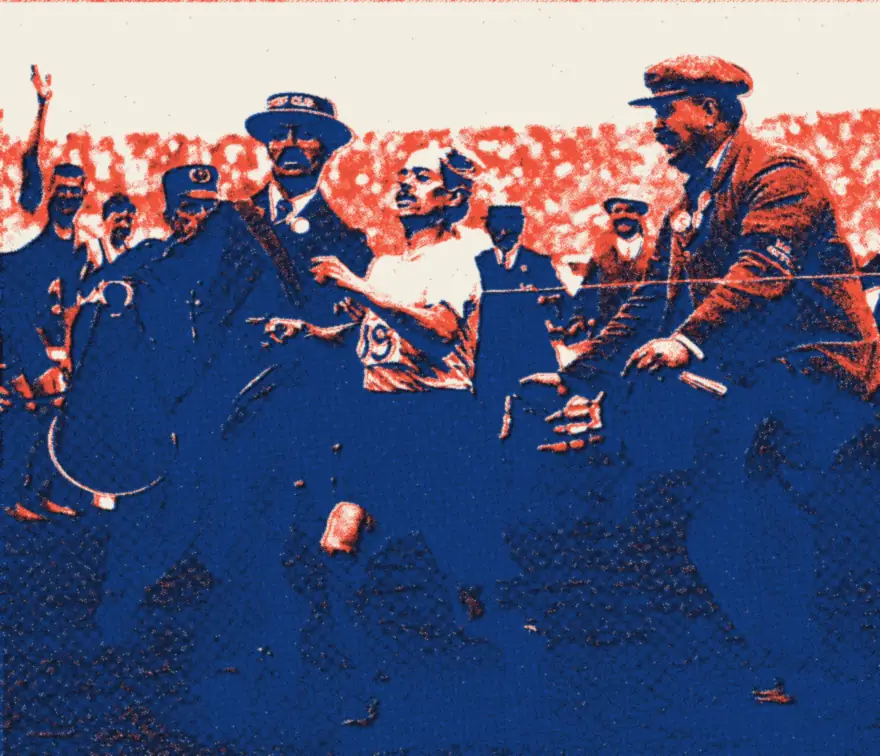
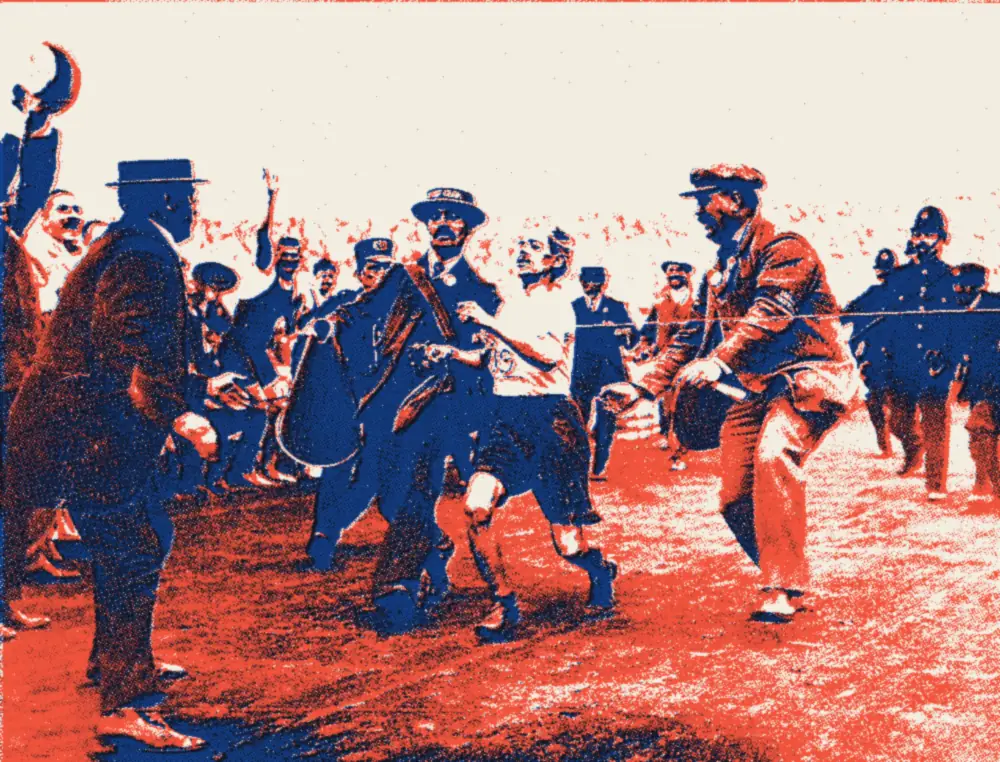
Pietri enters the stadium “in an advanced state of exhaustion,” notes Olympedia. He sets off the wrong way on the track. The officials turn him around, and he collapses. He gets up with their help, falls again: five falls in all, according to Olympedia. He crosses the line held up by officials. Among them is the race organizer, Jack Andrew, who will insist he only caught him as he fell on the line.
A time with no medal.
03Hands that shouldn't have been there
The Americans lodge a protest at once. The judges rule that Pietri could not have finished without the help he received on the track: he is disqualified. Johnny Hayes, who came in unaided more than 30 seconds behind him, becomes Olympic champion in 2:55:18. Pietri's time, 2:54:46, stays in Olympedia's records, in square brackets. A time with no medal.
04The queen's cup
The next day, Pietri returns to the stadium: Queen Alexandra presents him with a gilded cup, so that he doesn't leave empty-handed. The same day, Arthur Conan Doyle, who covered the race for the *Daily Mail*, salutes the Italian's feat in its columns. In a letter to the paper, he proposes a subscription in his honor and offers five pounds toward it. A stubborn legend puts him on the track, among those who held Pietri up. He was in the stands, writer Peter Lovesey points out.
05So why is a marathon 26.2 miles?
Before 1908, a marathon is about 40 km, with no fixed distance. In London, the program announces “about 26 miles” to the edge of the stadium track. Then comes 385 yards on the cinder track, to the line drawn under the royal box. That adds up to 26 miles and 385 yards, the marathon we run today.
Then there's the legend: the start was supposedly moved back so that the royal children could watch the race from the castle nursery. World Athletics still tells it. For Bob Wilcox of the International Society of Olympic Historians, it's a myth: “No evidence has been found to support this story.” What is certain: the 1908 distance doesn't catch on right away. Marathons keep varying lengths until 1921, the year the IAAF (now World Athletics) officially adopts the distance. The Paris Games of 1924 follow it.
Sources for this story (17)
Every fact was cross-checked in at least two independent sources. Where they disagree, the story says so.
- Marathon, Men, 1908 Summer Olympics — Olympedia
- Dorando Pietri — Olympedia
- Charles Hefferon — Olympedia
- Johnny Hayes — Olympedia
- 1908 London Olympic Games — olympicgamesmarathon.com
- History of the marathon distance — olympicgamesmarathon.com
- Going the distance — AIMS (Hugh Jones)
- Marathon — World Athletics
- Exactly 42.195 kilometres? — Musée olympique / Google Arts & Culture
- Dorando PIETRI — Musée olympique / Google Arts & Culture
- Johnny HAYES — Musée olympique / Google Arts & Culture
- Dorando Pietri — Treccani, Enciclopedia on line
- Conan Doyle's Olympic Crusade — The Public Domain Review (Peter Lovesey, 2012)
- A Heroic Roman. How Dorando failed to seize the Laurel — The Arthur Conan Doyle Encyclopedia
- To Honour Dorando — The Arthur Conan Doyle Encyclopedia
- Why is a marathon 26.2 miles? — Boston.com (Hayden Bird)
- API Wikimedia Commons — licences des deux photos
Read next
The whole journal →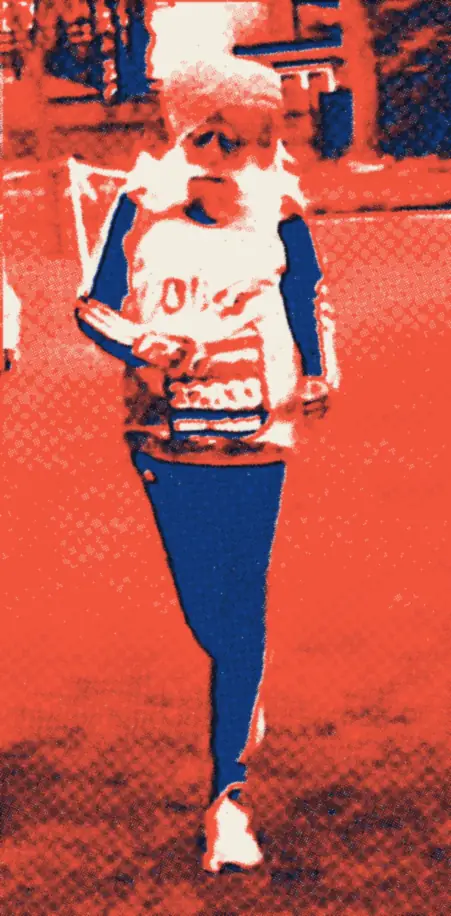 No. 43
The World's Oldest Marathon Runner? Fauja Singh, 100 Years Old in Toronto
The oldest marathon runner in the world, according to the AP, is Fauja Singh. On October 16, 2011, in Toronto, he finished a marathon at 100 years old, going by his passport. Yet Guinness never validated his record: it lacks a birth certificate, and nobody can provide one.
 No. 45
Marathon World Record: From 2:55 to 1:59 in 118 Years
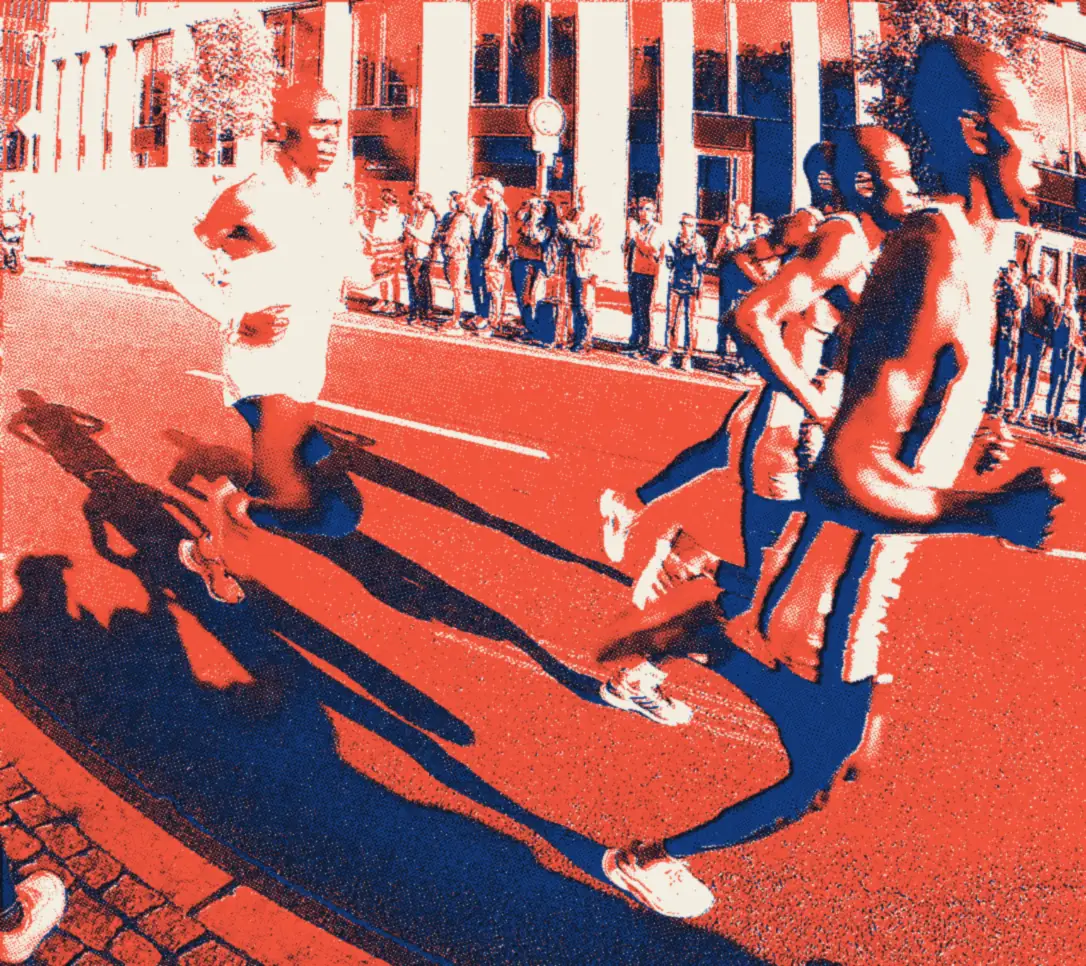
As of mid-October 2026, the men's marathon world record is 1:59:30, set by Sabastian Sawe in London on April 26, 2026. The women's marathon world record is 2:09:56, set by Ruth Chepngetich in Chicago in 2024, and it comes with an explanation you will find further down.