The History of the Marathon: Pheidippides Ran to Sparta, Not Athens
The history of the marathon begins in 1896, at the first modern Olympic Games in Athens, from an idea by the linguist Michel Bréal. It rests on a legend: a messenger runs from Marathon to Athens, cries victory and drops dead in front of the magistrates. Except that Herodotus, the Greek historian who tells the battle, says nothing of the sort: his Pheidippides runs to Sparta, and comes back alive.
By the PacePoster desk · · 4 min · 21 sources
01What Herodotus really says
In 490 BC, the Persians threaten Athens. Before the battle of Marathon, the city sends a messenger to ask Sparta for help. Herodotus calls him Pheidippides; Lucian, much later, will write Philippides. He is a “hemerodrome,” a long-day runner, and that is his job. He reaches Sparta, Herodotus writes, the day after leaving Athens. The modern route is about 245 km, according to the organizers of the Spartathlon. That is very far from 42 km.
02The god Pan and the full moon
On the road, on Mount Parthenion above Tegea, Pheidippides claims to have met the god Pan. The god asks why the Athenians neglect him, though he wishes them well, has often helped them and will help them again. Later the Athenians build him a shrine beneath the Acropolis, with annual sacrifices and a torch race. The Spartans, for their part, say yes, but not right away: their law forbids them to march before the full moon, and it is only the ninth day of the month. They will arrive after the battle. Athens will fight without Sparta, with only the Plataeans.
Rejoice, we are victorious!
03Six centuries later, a glorious death
And after the victory? Herodotus does not say a word about a run from Marathon to Athens. The Athenian army hurries home to protect the city. No exhausted runner, no last breath.
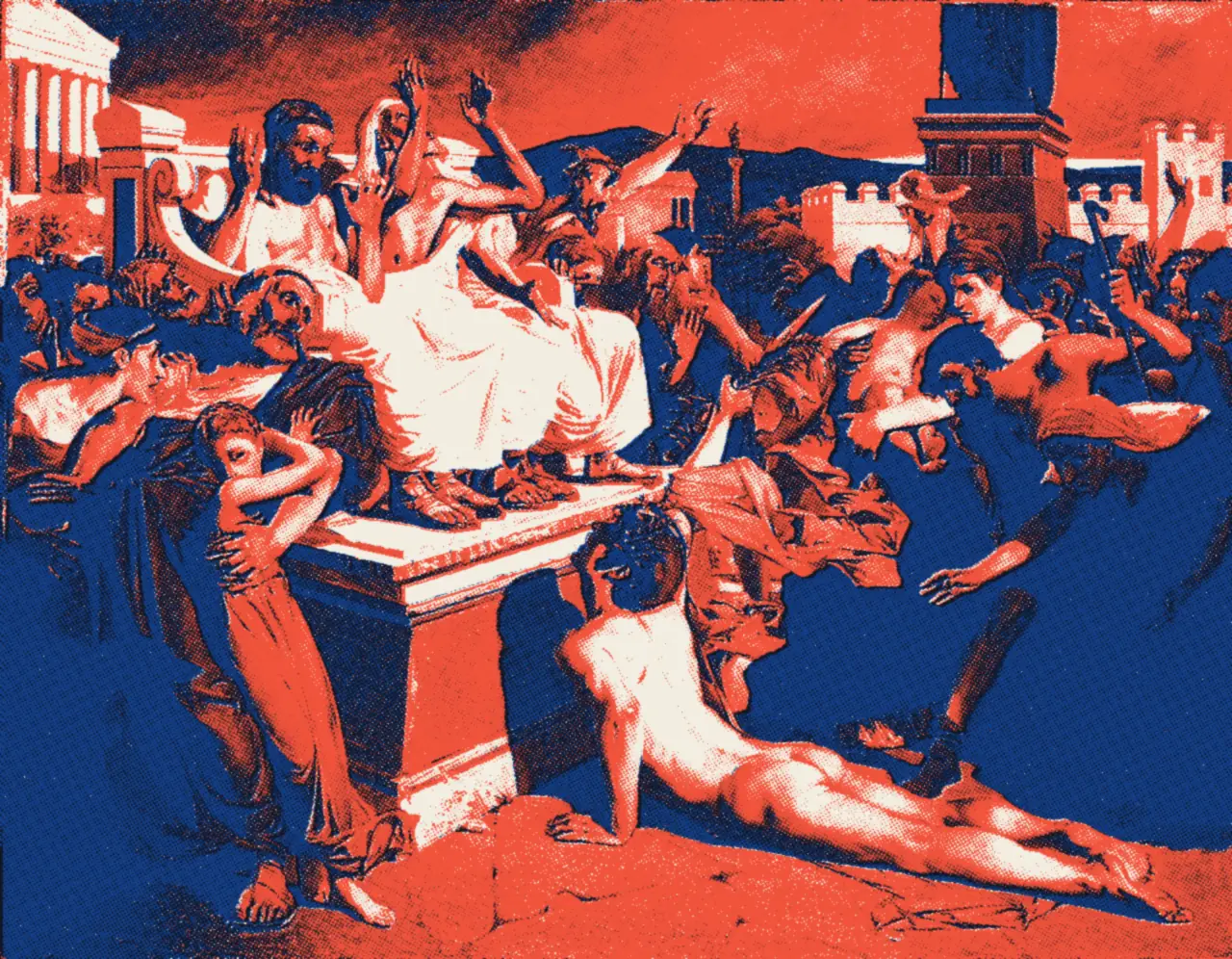
The messenger who dies on arrival appears in Plutarch, around AD 100, nearly six centuries after the battle. In “On the Glory of the Athenians,” he reports that Thersippus brought the news, according to Heraclides of Pontus, but that most historians name Eucles. Running in full armor, still hot from the battle, Eucles supposedly told the magistrates only “Hail! we are victorious!” before falling dead. That is not Pheidippides.
04Lucian gives the messenger a name
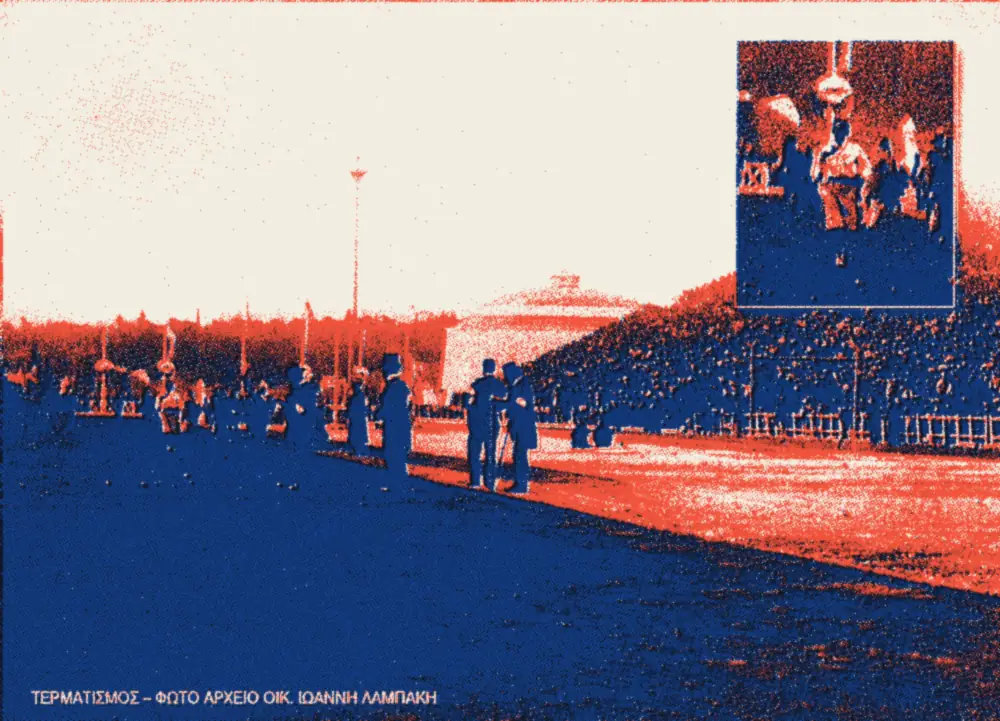
In the 2nd century, the satirist Lucian of Samosata tells the scene in his turn. In his version, it is the runner Philippides who, “they say,” comes to announce the victory to the archons, cries “Chairete, nikômen” (“Rejoice, we are victorious!”) and expires on those words. The name of Herodotus's messenger has just stuck to the Marathon run. The legend sets: a famous name, a run, a cry, a death.
05Browning, then Bréal
In 1879, the British poet Robert Browning published “Pheidippides” and blended the two stories: his hero runs to Sparta, meets Pan, fights at Marathon, then carries the victory news to Athens and dies of joy. Fifteen years later, on September 15, 1894, the linguist Michel Bréal wrote to Pierre de Coubertin: why not organize a race from Marathon to the Pnyx in Athens? He even offered the winner's cup. The event was born at the 1896 Games. What followed, with Spiridon Louis, is told elsewhere in the journal.
06The Spartathlon puts Herodotus to the test
In 1982, John Foden, a Royal Air Force officer, wondered whether a modern man could repeat Pheidippides's run. On October 8, he set off from Athens with other airmen. Three reached Sparta. Foden took about 36 hours according to the Spartathlon organizers, 37 hr 37 min according to the site Ultrarunning History. It can be done. The first official Spartathlon took place in 1983. The race comes back every September, over about 245 km.
Sources for this story (21)
Every fact was cross-checked in at least two independent sources. Where they disagree, the story says so.
- Hérodote, Histoires, livre VI (Érato), 105-106, 108, 116, 120 — trad. Pierre-Henri Larcher (Charpentier, 1850), Remacle
- Herodotus, The History, vol. 2, livre VI — trad. G. C. Macaulay, Project Gutenberg
- Plutarque, De gloria Atheniensium, 3 (347C) — trad. F. C. Babbitt, Loeb 1936, LacusCurtius (Bill Thayer)
- Plutarque, Œuvres morales, « Sur la gloire des Athéniens » — traduction française (traducteur non nommé), Remacle
- Lucien de Samosate, Sur une faute commise en saluant, §3 — trad. Eugène Talbot (Hachette, 1912), Remacle
- Pheidippides (1879) — Robert Browning, Wikisource
- L'invention du marathon — JSTOR Daily (20 novembre 2024)
- Pheidippides et le marathon — Bad Ancient (Owen Rees, 21 novembre 2020)
- Plutarque — Encyclopædia Universalis
- Lucien de Samosate — Encyclopædia Universalis
- Bataille de Marathon — Encyclopædia Universalis
- Marathon (sport) — Encyclopædia Universalis
- Michel Bréal (1832-1915) – The Man Behind the Idea of the Marathon — The Sport Journal (Norbert Müller, 2015)
- Athens 1896: the invention of the marathon — Musée olympique, via Google Arts & Culture
- « A Greek! A Greek! » 125th anniversary of the first Olympic marathon — World Athletics (Chris Turner, 2021)
- Historical information — Spartathlon (International Spartathlon Association)
- Race road — Spartathlon
- Terms of participation 2026 — Spartathlon
- Spartathlon, part 1 — Ultrarunning History
- Marathon, la course — Athens Authentic Marathon (organisateur)
- API Wikimedia Commons — licences des deux photos
Read next
The whole journal →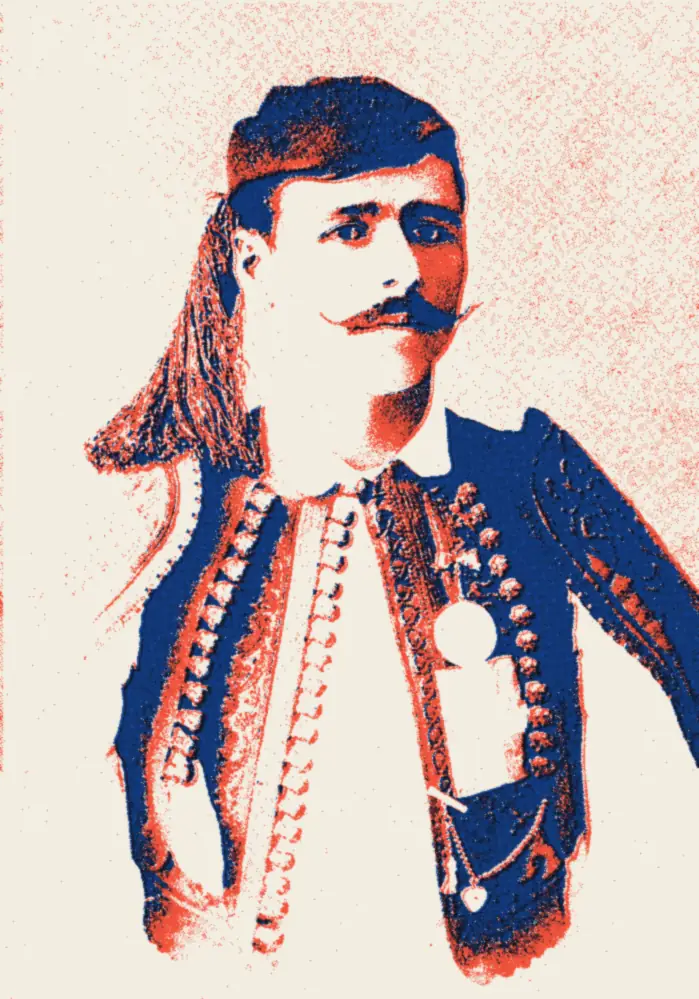 No. 13
Spiridon Louis, 1896: The Water Carrier Who Won the First Marathon
Spiridon Louis, a young Greek from Marousi, entered the Panathenaic Stadium on April 10, 1896, to a roaring crowd: he had just won the very first marathon in Olympic history. Since then he has been credited with a glass of wine, a shepherd's job and gifts by the cartload. Let's sort it out.
 No. 41
Zátopek, Helsinki 1952: 5,000 m, 10,000 m, Then a First Marathon
How did Emil Zátopek win the Olympic marathon on his first try? Helsinki, July 1952: he has already won the 10,000 m and the 5,000 m. Then he lines up for a marathon, a distance he has never run. He wins that too. In between, his wife Dana became an Olympic champion, on the very day of his 5,000 m.