“You Are Murderers!”: The Day the Tour de France Discovered the Pyrenees
July 1910: the Tour de France takes on the Pyrenees for the first time, and the Tourmalet is the big one. Octave Lapize, at the end of his strength, throws a phrase at the organizers that history never forgot. Even if nobody agrees on the exact words.
By the PacePoster desk · · 3 min · 5 sources
01An idea that scared everyone
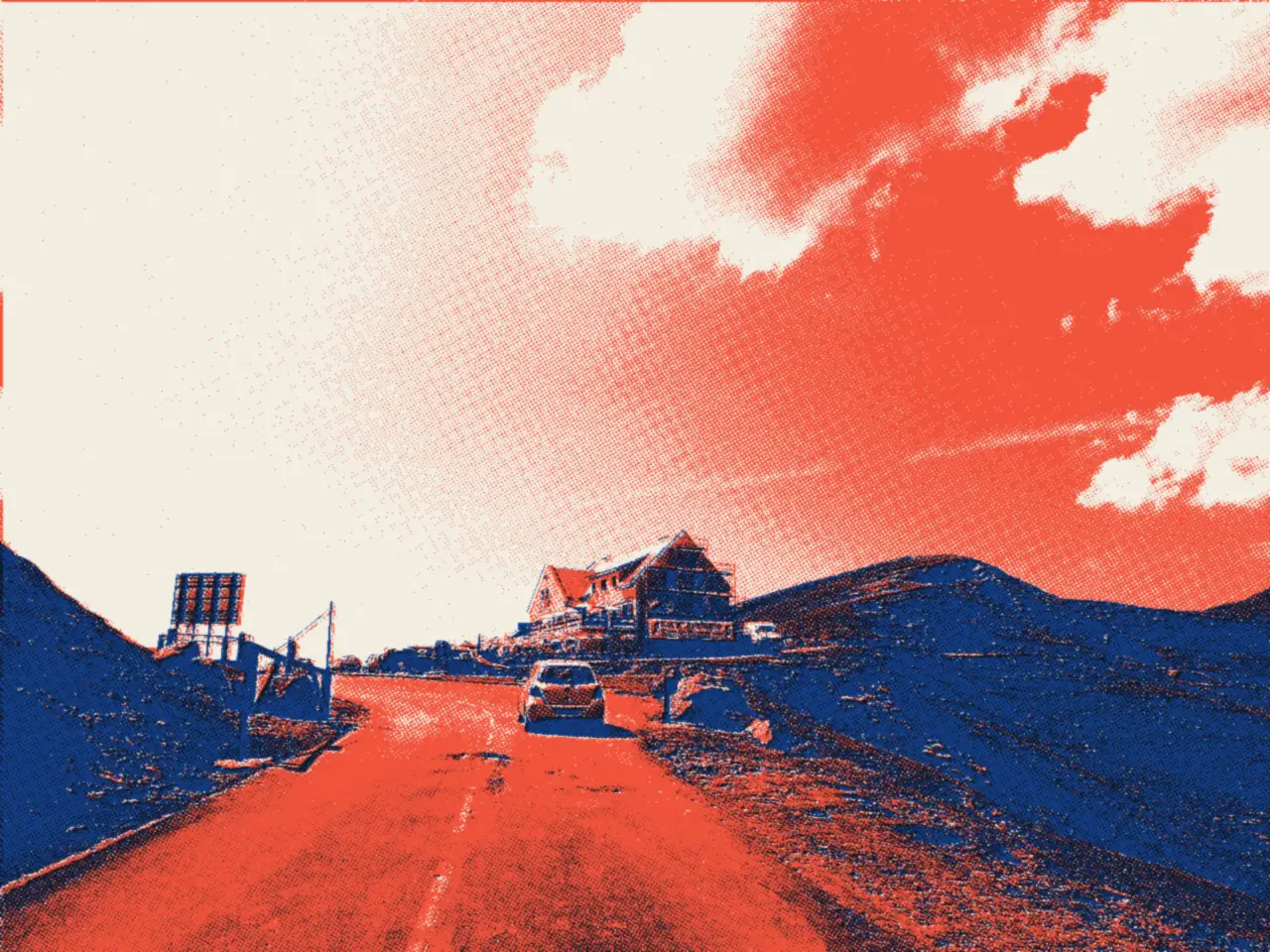
Until then, the Tour had never crossed the Pyrenees. In 1910 at L'Auto, the newspaper that ran the race under Henri Desgrange, the journalist Alphonse Steinès pushed to go. Desgrange first found the idea “sheer madness,” according to the Encyclopædia Universalis, before letting himself be talked round. The Tourmalet is the big one. But are the roads even passable?
02Steinès, the snow and the telegram
Before the race, Steinès goes to check for himself. Snow forces him to abandon the car and carry on on foot. A search party is eventually sent out, and he reaches Barèges on the edge of hypothermia. The message he then telegraphs to Desgrange fits in a few words: he has crossed the Tourmalet, the road is very good, it is perfectly feasible. The exact wording varies from one account to the next, but the contrast between his condition and his reassuring message has become a Tour classic. Desgrange gives the green light.
You are murderers! Yes, murderers!
03326 km for a first taste
The Tour starts with 110 riders. Stage 10, Luchon to Bayonne, sets off on July 21 at 3:30 a.m., for 326 km. On the menu: the Peyresourde, Aspin, Tourmalet and Aubisque, on roads of loose stones. Lapize is first over the Tourmalet. But even he ends up on foot: he covers the last 500 meters with his bike on his shoulder.
04“Assassins!”… or “criminals”?
On the Aubisque, a near-unknown suddenly surges to the front: François Lafourcade, a lone rider from the Bayonne area, according to Cyclist magazine. Lapize, for his part, is spent and says he has had enough. At the summit he runs into Victor Breyer, a L'Auto journalist and race official that day, and tells him what he thinks of the people who impose such an effort on riders.
This is where the story gets blurry. The legend kept “Assassins!”, or even “Vous êtes des assassins ! Oui, des assassins !” (“You are murderers! Yes, murderers!”). But in L'Auto's own reports, the word that comes up is “criminals,” Cyclist and France 24 report. According to Cyclist, it was later, in Bayonne, in front of Steinès, that Lapize called Desgrange himself an assassin. Desgrange, as it happens, was not on the mountain: The Inner Ring, drawing on the historian Benjo Maso, places him in Paris, running the paper. The place most often cited is the Aubisque (some accounts say the Tourmalet), the recipient is Breyer, and the exact phrase depends on who is telling it.
05And in the end, he wins
Lapize hangs on and wins the stage in Bayonne, in a sprint ahead of the Italian Pierino Albini, after more than 14 hours of racing. He also wins the Tour: 63 points to François Faber's 67 (back then, the lowest total won). The edition runs 15 stages, nearly 4,740 km, and only 41 riders are classified at the finish. The Tourmalet, meanwhile, became one of the Tour's mythical climbs. The man they called an assassin.
Sources for this story (5)
Every fact was cross-checked in at least two independent sources. Where they disagree, the story says so.
- 1910, 8e Tour de France — Encyclopædia Universalis (Pierre Lagrue)
- Tour de France history: Lapize tames the Pyrenees — Cyclist, Giles Belbin (2021)
- Tour de France : ces forçats qui ont forgé la réputation du Tourmalet — France 24, Stéphanie Trouillard (2014)
- Mike Cotty climbs the mighty Tourmalet — road.cc (2018)
- Mythbusters: the Pyrenees
Read next
The whole journal →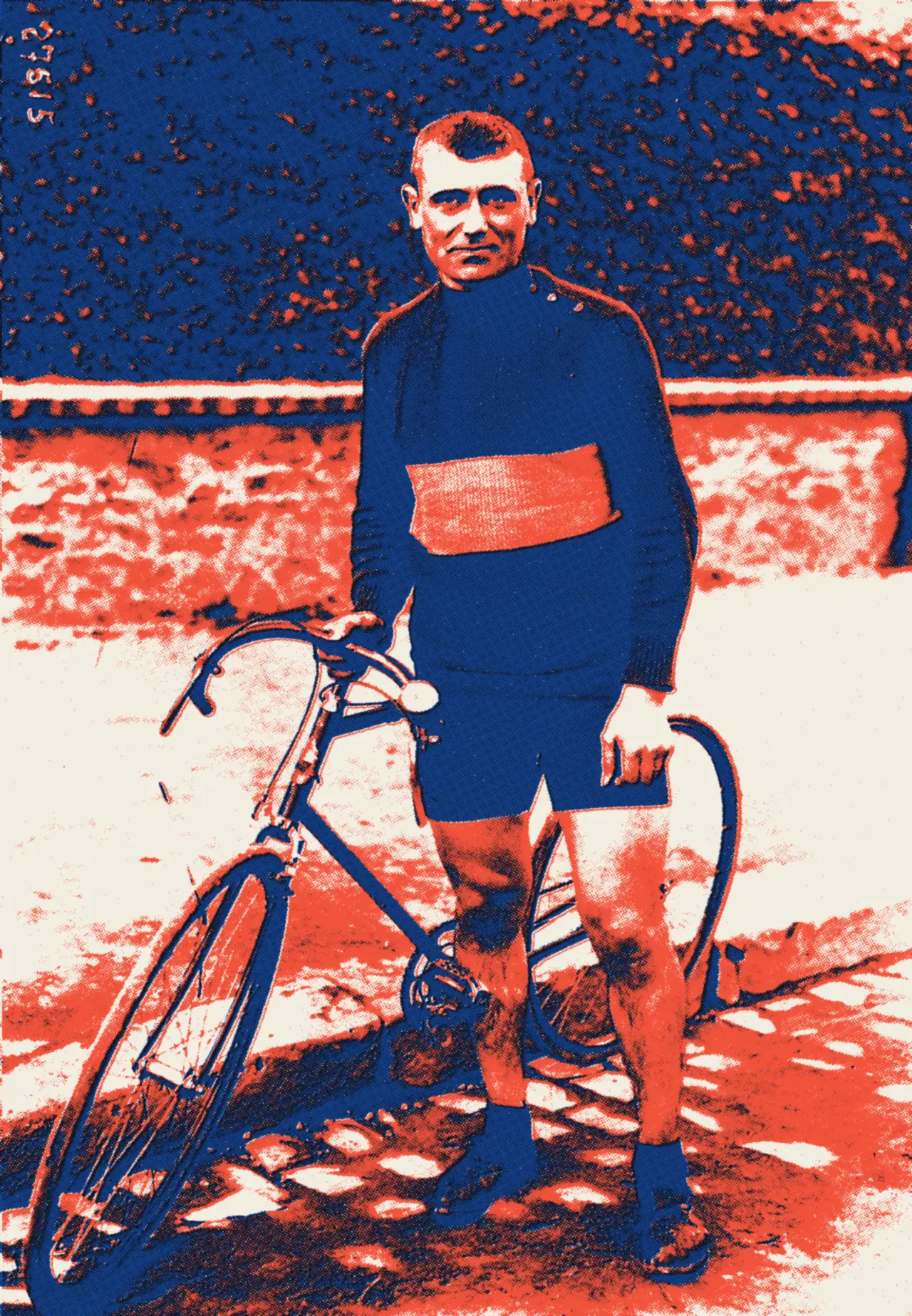 No. 14
Tour de France 1913: Eugène Christophe's Broken Fork, Mended in a Forge
July 9, 1913, in the Pyrenees. Eugène Christophe is the virtual leader of the Tour when his fork snaps on the descent of the Tourmalet. The rules forbid any help: he will have to walk, forge, and pay in minutes for a kid's helping hand.
 No. 09
Tour de France 1904: Trains, Nails and Disqualified Riders
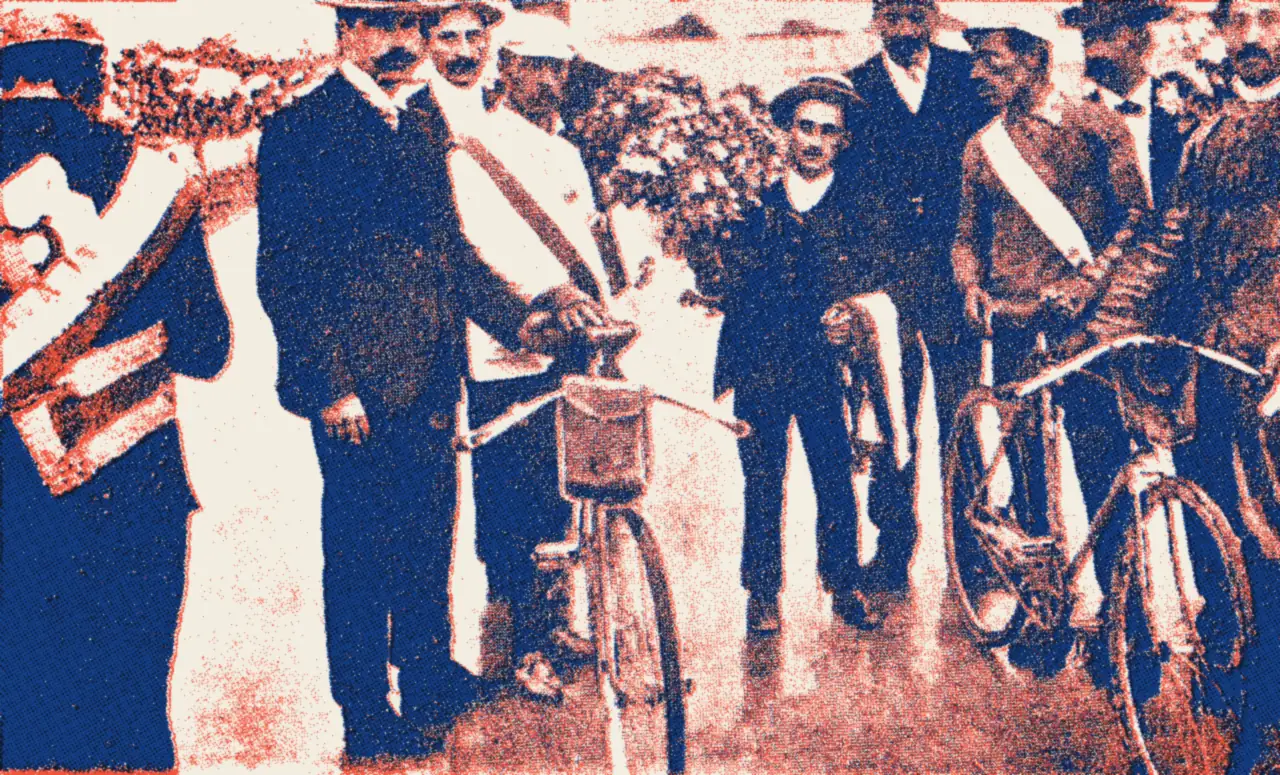
The Tour de France 1904 scandal in a line: second edition, July 1904, and everything that could go wrong did. The top four finishers were disqualified, and a 19-year-old kid inherited the win.